World Bank approves $800 million concessional loan package to support Uzbekistan’s reforms
The World Bank’s Board of Executive Directors has approved an $800 million financial package in highly concessional loans to support Uzbekistan’s structural reforms. These reforms aim to reduce poverty, create jobs, foster private sector growth, and increase competition across key economic sectors. According to the World Bank’s Uzbekistan office, the operation will also help the country enhance social protection and expand access to essential services for vulnerable populations.
The government’s policy measures, facilitated through this operation, focus on mitigating the impact of energy tariff increases on low-income households, protecting women from workplace harassment and violence, and enhancing competition in strategic sectors such as telecommunications, agriculture, and energy. The reforms are also designed to expand Uzbekistan’s international trade and improve the efficiency of state-owned enterprises.
The $800 million package provides highly concessional loans, offering low-cost, long-term repayment conditions that are more favorable than those available in international financial markets. This arrangement will reduce debt servicing costs, enabling the government to allocate additional resources toward social and economic priorities.
The World Bank’s support will help implement urgent policy measures across several strategic areas:
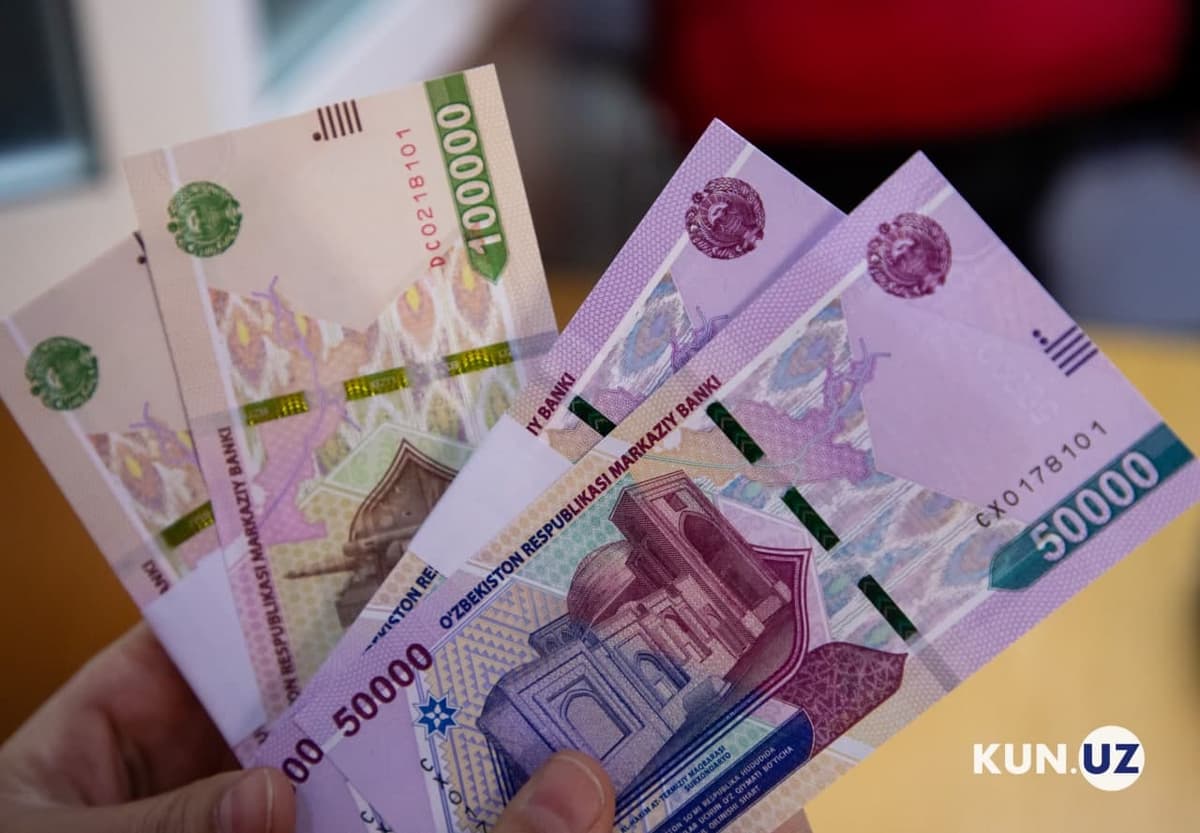
1. Social protection: Compensation payments to low-income households will be increased to offset rising electricity, heating, and gas tariffs. Annual cash transfers will rise from UZS 270,000 per family to UZS 1,000,000.
2. Economic opportunities for women: Legislation and mechanisms will protect women from sexual harassment and workplace violence and prohibit employers from refusing to hire, reducing wages, or dismissing women due to pregnancy or childcare responsibilities.
3. Expanding social services: Conditions will be created to allow private and non-governmental providers to deliver accredited social services to vulnerable groups, improving access and quality.
4. State-owned enterprise (SOE) reform: A National Investment Fund (NIF) will be established to manage and privatize SOEs more effectively. An independent telecommunications regulator will limit state dominance in broadband and mobile markets, encouraging private sector investment.
5. Agriculture: Agricultural risk insurance will be introduced, alongside reforms in the cotton sector. These include a more flexible farmgate pricing mechanism and enabling textile enterprises to purchase cotton directly from any farmer.
6. Trade liberalization: Uzbekistan will accelerate its WTO accession and expand international trade by simplifying export procedures, including the removal of export permits for certain goods. Exclusive rights granted to specific actors in energy, oil and gas, chemicals, agriculture, and other sectors will also be eliminated to increase competition.

7. Power sector: The electricity distribution sector will be opened to private participation, allowing independent renewable energy producers to sell directly to consumers. These measures are expected to attract investment and scale up renewable energy generation.
8. Energy efficiency: Incentives will be introduced to reduce greenhouse gas emissions in energy-intensive industries. A National Energy Efficiency Agency will attract private investment in energy-saving initiatives, while additional measures will promote solar power, heat pumps, and energy-efficient building retrofits.
9. Green public procurement: Environmental criteria will be integrated into public procurement processes, prioritizing environmentally friendly goods and services when using budget funds.
The World Bank emphasizes that this package is a critical step in supporting Uzbekistan’s ongoing reform agenda while fostering sustainable and inclusive economic growth.
Related News
17:02 / 22.11.2025
“Rivers without Boundaries” criticizes World Bank over dismissal of Rogun concerns
17:06 / 19.11.2025
EBRD to lend $20 million for Tashkent pipe plant expansion
13:43 / 05.11.2025
Loan self-restriction service gains popularity among young people in Uzbekistan
17:30 / 22.10.2025