A group of individuals with disabilities from the Kumkurgan district of Surkhandarya region has arrived in Tashkent in a desperate plea for help. The residents claim that apartments provided to them by the state in 2018 as "charitable gifts" have turned out to be bank loans that they are now being forced to repay.
This issue is not new to the region. In December 2025, Kun.uz reported on a similar situation in Kumkurgan where the company Unicon–Soft stepped in as a sponsor to cover the debts of eight families. However, many others remain in a legal and financial vacuum, unable to afford monthly payments on their meager pensions.
Families pushed to the brink
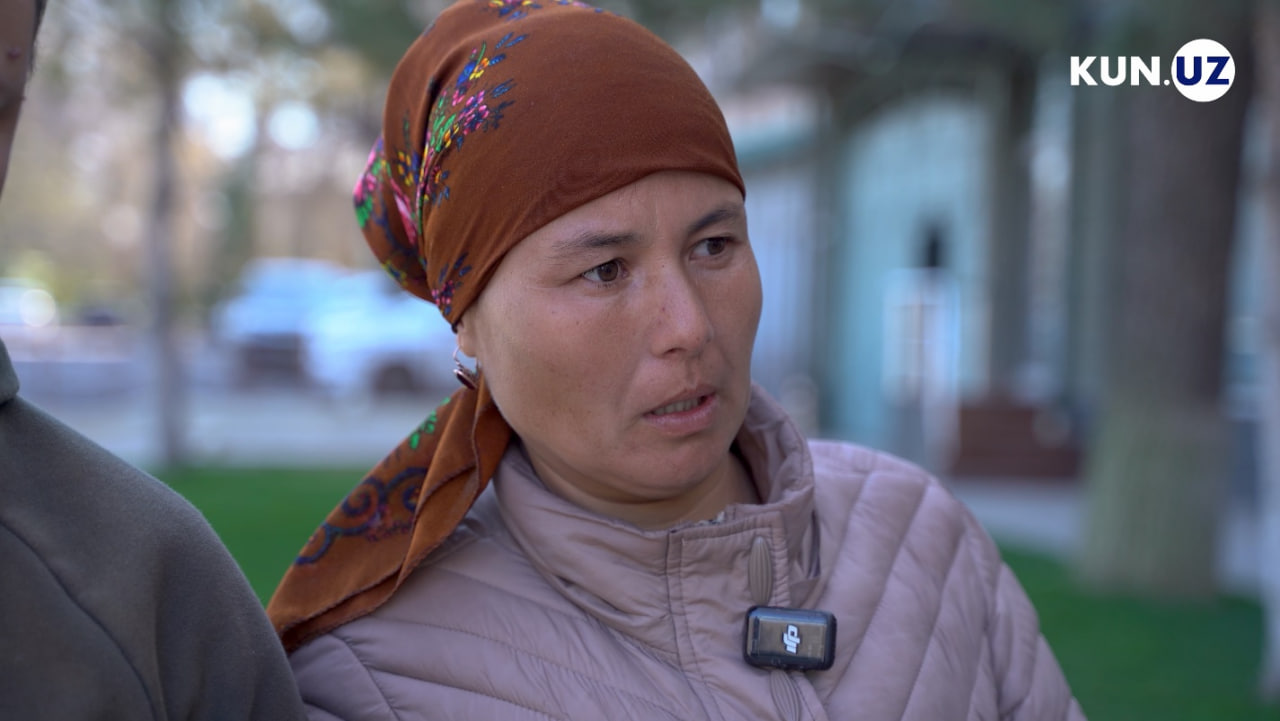
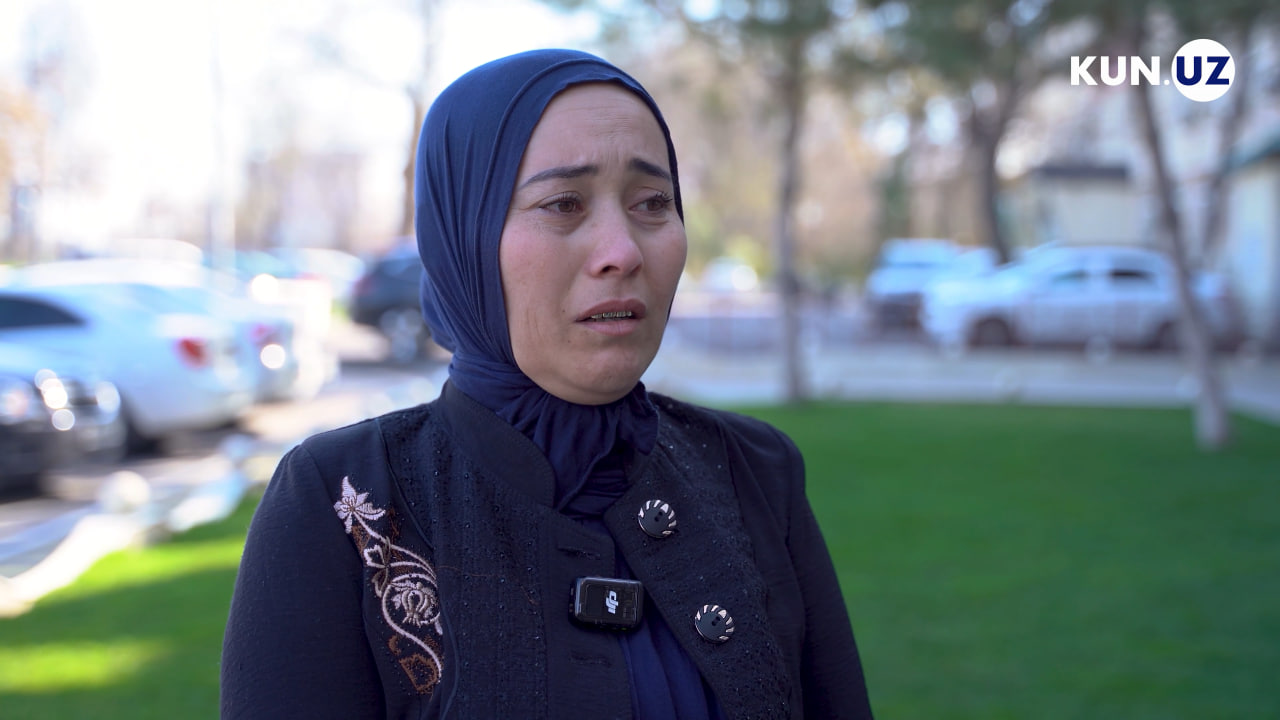
The stories shared by the residents depict a harrowing cycle of debt and poverty. Zuhra Eshmamatova, who traveled to the capital with her family, explained the physical and emotional toll of the situation.
"There are three people with disabilities in our family. My husband is a person with a Group I disability, and they are deducting money from his pension," she stated. The family faces monthly payments of UZS 1.87 million for the house, alongside a UZS 14.8 million debt for furniture and additional costs for carpets. "If they kick us out of the house, where will three disabled people go?"
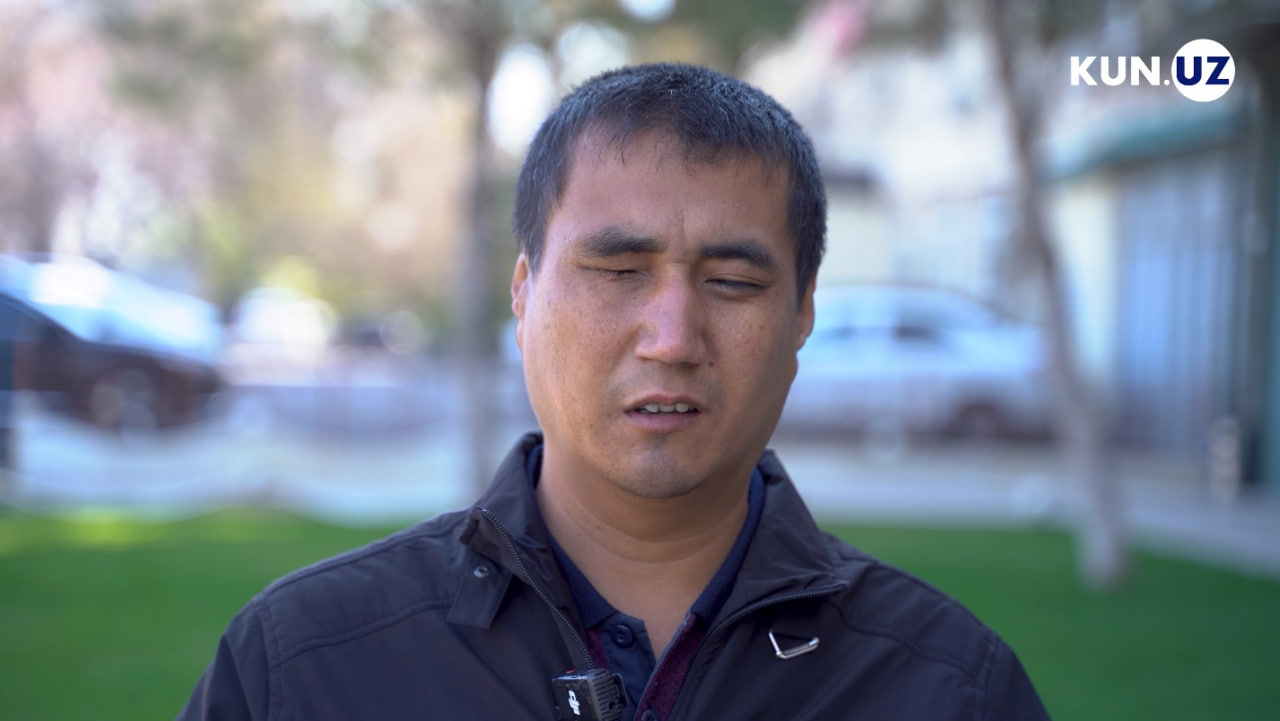
Similarly, Nurbek Rakhmonov, a resident of the Boghora neighborhood, reported that authorities are seizing every single soum from his bank card to cover the arrears. "They gave us the house as a gift in 2018, then told us to pay. I have a Group I visual disability, and my wife has a Group II disability. We have two minor children. They are cutting our pensions entirely," he said.
The "Sponsorship" trap
The root of the problem appears to be a shift in how these social housing projects were financed. Initially presented as gifts, the houses were actually linked to credit agreements. In many cases, the regional administrations originally assigned entrepreneurs as sponsors to cover the mortgage payments. However, these sponsorships have proven to be temporary and unreliable.
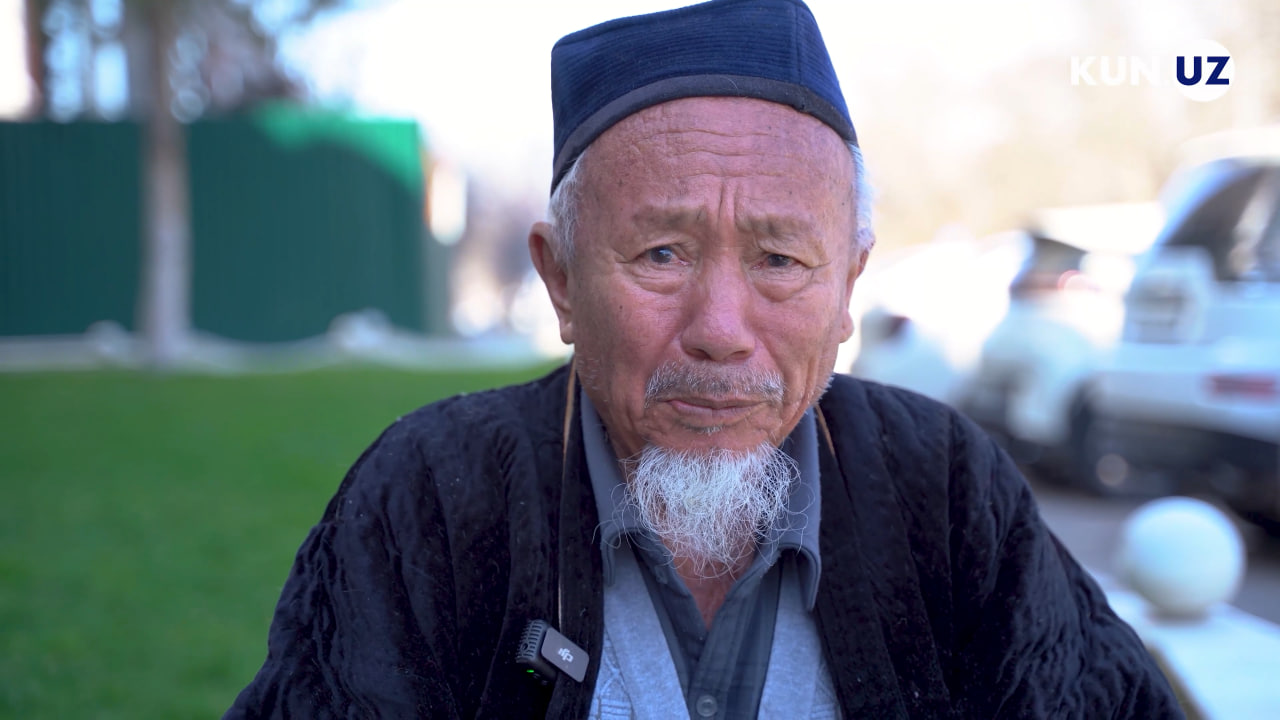
Khushmuhammad Khojakulov noted that while a sponsor paid his credit for three years, they eventually stopped, leaving him with a debt of UZS 100 million. "The pension is not enough. We cannot reach a solution," he lamented.
For others, like Gulnigor Nishonova, the situation is even more precarious. Her husband, who was disabled, passed away in 2019. She remains in the home with three minor children, surviving on an allowance of UZS 1.260 million. "The payments were made until 2023 through sponsors, but now there is nothing. I went to the ministries in Tashkent, but they did not accept my application. If they take the house, I have nowhere else to go," she said.
Mounting debts and legal pressure
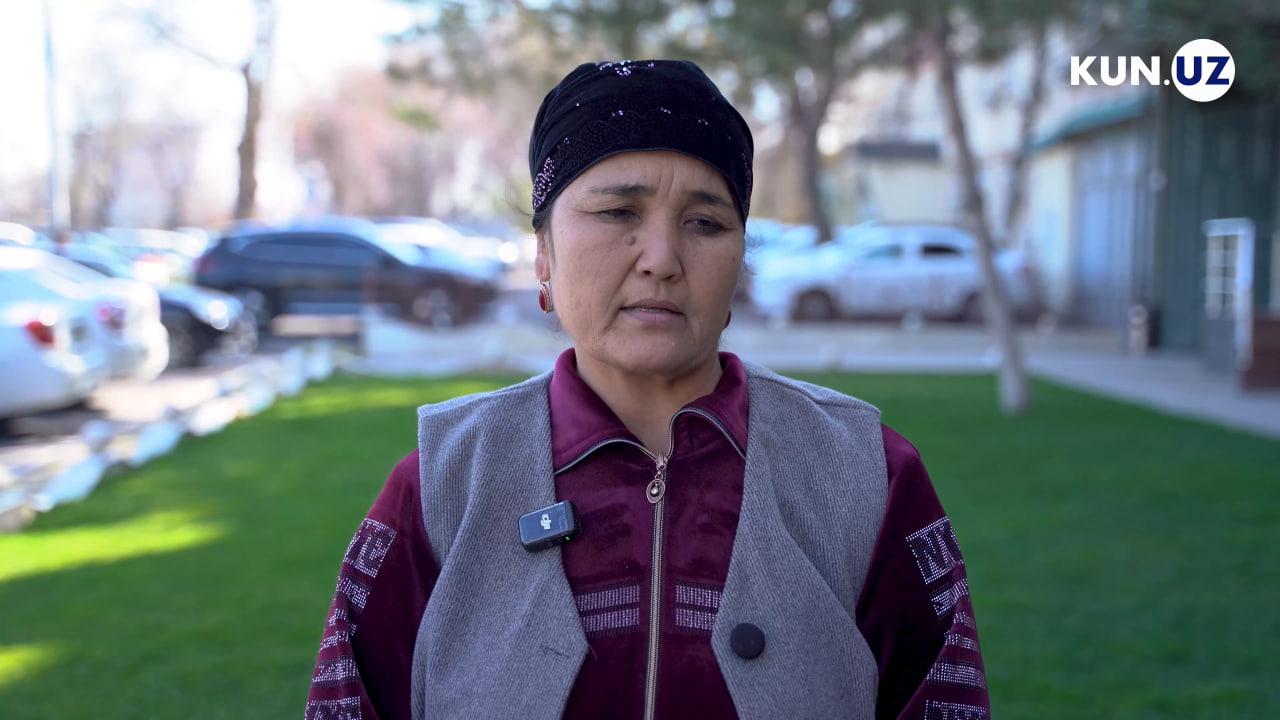
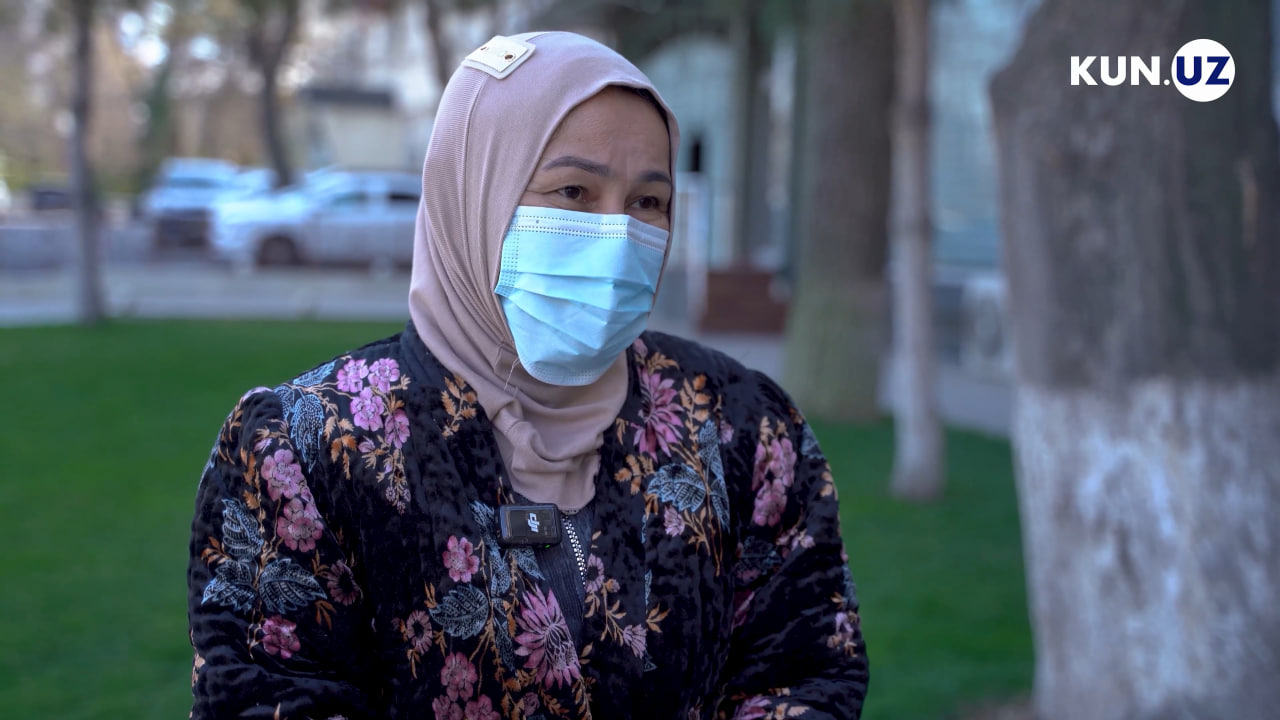
The financial burden extends beyond the housing itself. Many residents were also provided with furniture and household items on credit, leading to court summonses and the repossession of goods. Hosiyat Normurodova, a person with a Group II disability, shared that her total debt has ballooned to UZS 56 million for a home valued at UZS 178 million.
"We have appealed to many places. The regional mayor says he will help, but the sponsoring organizations are unable to pay," she explained.
The residents are calling for a permanent resolution to the crisis, requesting that the government honor the original promise of providing these homes as social support rather than interest–bearing liabilities. As the situation stands, some of the most vulnerable members of society in Surkhandarya remain at risk of homelessness and extreme financial hardship.