POLITICS | 14:29 / 23.10.2025
6214
6 min read

Religious scholar Mubasshir Ahmad decides not to appeal court ruling – lawyer

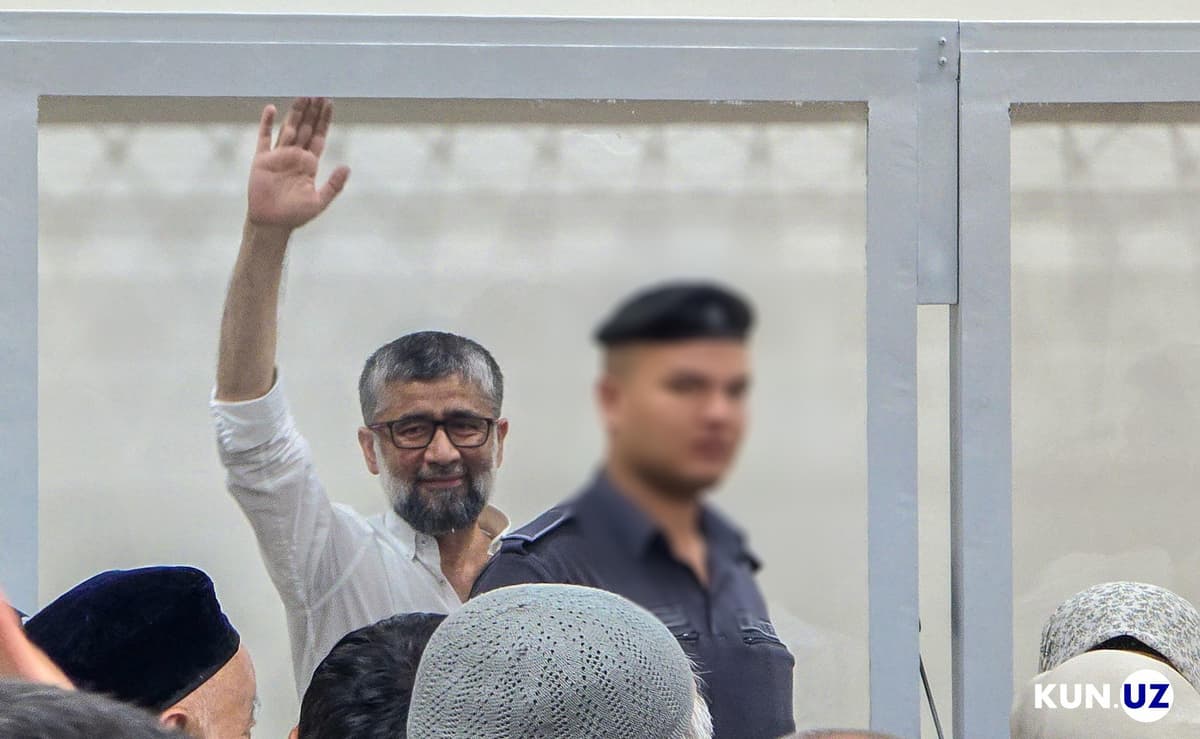
“I believe Mubasshir Ahmad has surrendered to ‘fate’ and no longer wishes to engage in further disputes,” said his lawyer in a comment to Kun.uz. On 8 October, Judge Bobur Rahimov found the scholar guilty on all three charges brought by the investigative authorities and sentenced him to 2.5 years in prison.

Photo: Kun.uz

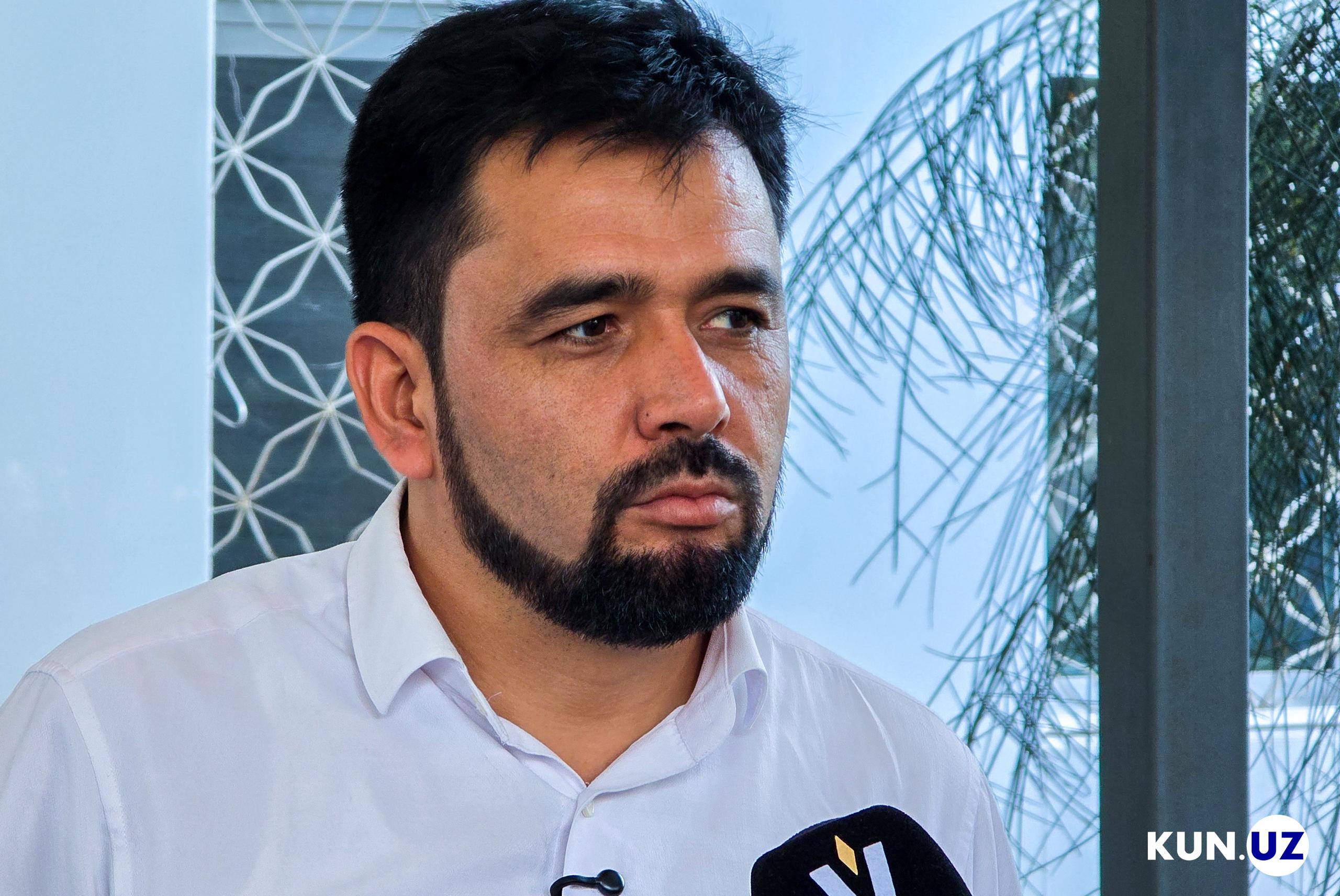
Abdulloh Sodiq, who represents Mubashshir Ahmad as his lawyer, shared details about the case’s future with Kun.uz.

“Mubasshir Ahmad has decided not to file an appeal against the court verdict, although he did not explain his reasons. As his lawyer, however, I disagree with the ruling. During the trial, we proved that his actions did not fall under Articles 244-1 and 156 of the Criminal Code.

“Nonetheless, in this case, the primary decisions will follow our client’s wishes. I believe he has accepted his ‘fate’ and does not wish to engage in further disputes,” the lawyer added.

It is noted that the religious scholar remains in investigative detention and has not yet been transferred to a penal colony to serve his sentence.
How the Mubasshir Ahmad case unfolded

Alisher Tursunov, 51, known by the pseudonym Mubasshir Ahmad, is a religious scholar and active participant in the Uzbek segment of social media. He is the author of several educational projects, including Azon.uz and Azon TV, as well as a number of religious publications.

Having resided in Turkey for several years, Mubasshir Ahmad was detained in Istanbul on 8 May 2025 and forcibly returned to Uzbekistan on 10 May. He was investigated by the State Security Service for three months. During the investigation, two additional charges were added, bringing the total to three, and the case was referred to court.

The trial began on 19 August 2025 at the Uchtepa District Criminal Court, presided over by Judge Bobur Rahimov. During proceedings, Deputy Prosecutor Erkin Narzullaev requested that audio and video recording devices not be allowed in the courtroom to avoid misinterpretations, which the judge approved. The trial, however, was open to the public.
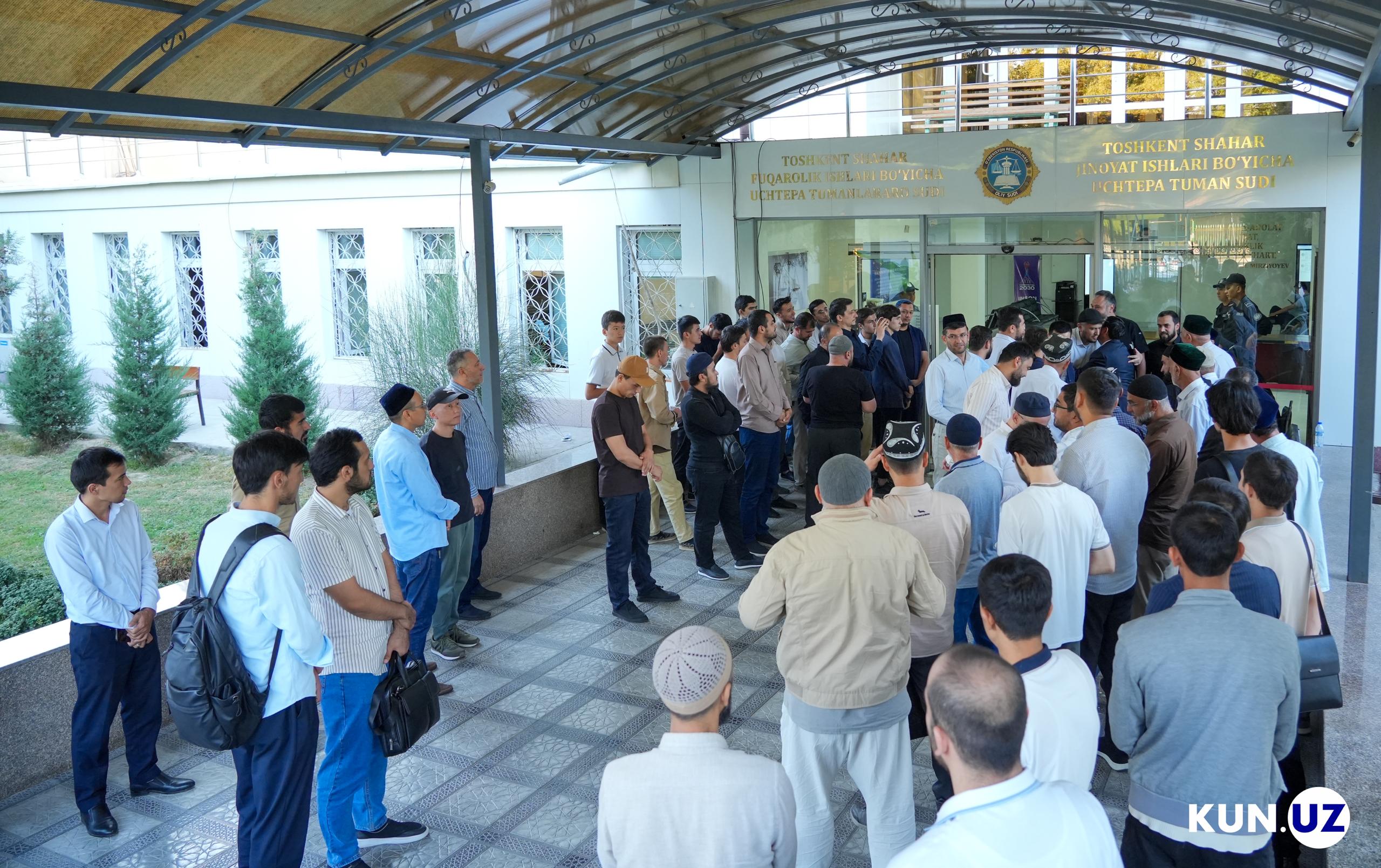
According to the prosecution, Mubasshir Ahmad was charged under three articles of the Criminal Code:

  • Article 244-3: preparation, possession, import, or distribution of religious materials in violation of the law;
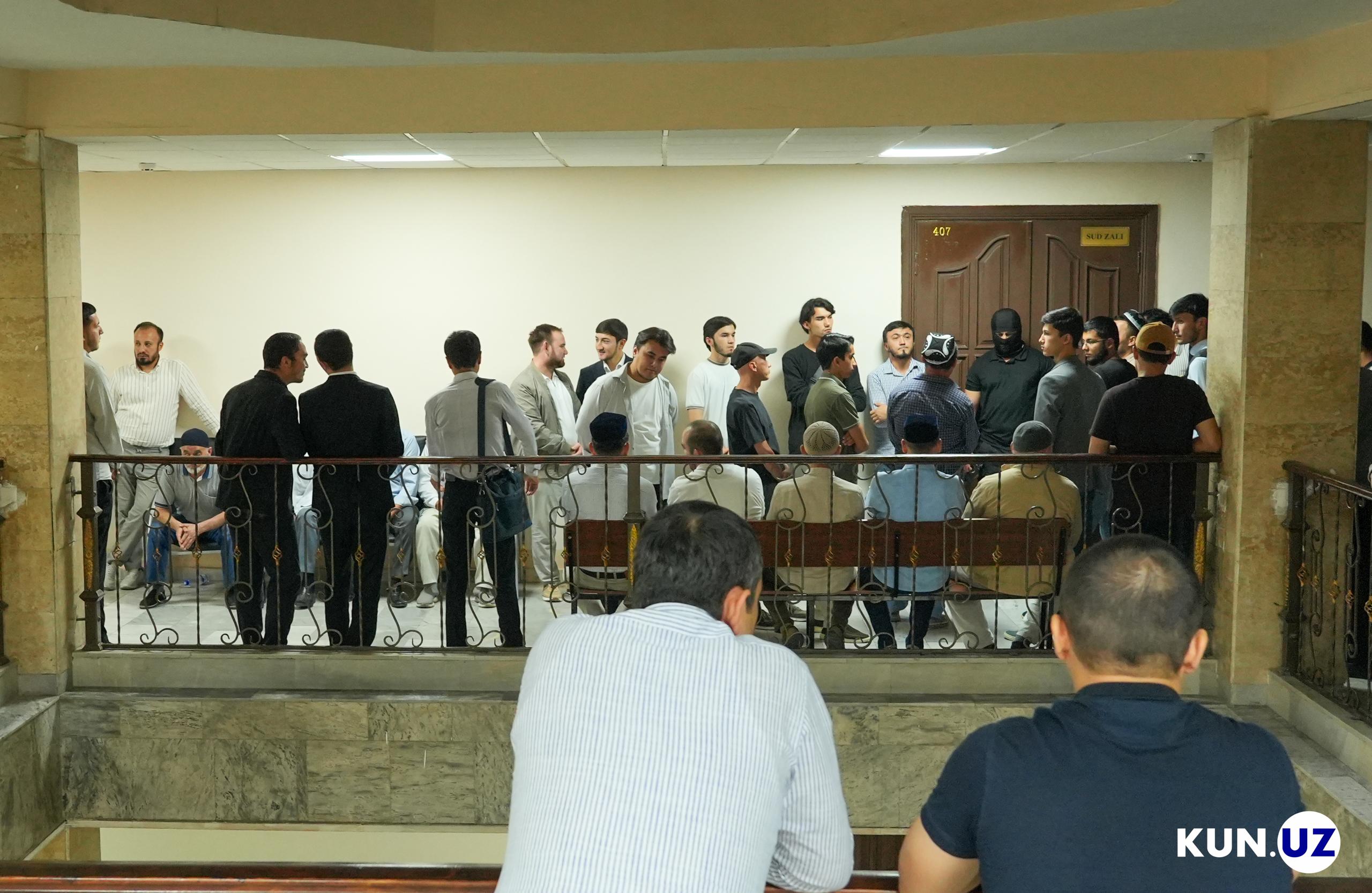
  • Article 244-1: preparation, possession, distribution, or demonstration of materials threatening public safety and order;
  • Article 156: incitement of national, racial, ethnic, or religious hatred.

During the second hearing on 8 September, political science professor Odil Musaev from Renaissance University offered a political assessment of the materials, while Shakhboz Nizomov, an expert from the Committee for Religious Affairs, evaluated the materials from a religious perspective.

At the third hearing on 15 September, Tursunov testified that he did not believe he needed Committee approval for the materials produced while in Turkey and provided explanations and counterarguments for the other charges. Judge Rahimov denied requests for additional expert testimony.

On 18 September, Deputy Prosecutor Erkin Narzullaev asked the court to convict Mubasshir Ahmad on all three counts, requesting a combined sentence of seven years’ imprisonment and a fine equivalent to 150 times the minimum wage.

The defense, led by Abdulloh Sodiq, requested the dismissal of two charges: “dissemination of materials threatening public safety and order” and “incitement of national, racial, ethnic, or religious hatred.” They partially acknowledged the charge regarding the distribution of materials without Committee approval but argued that the act posed no social danger, requesting its annulment under Article 70 of the Criminal Code.

The fifth hearing, initially scheduled for 22 September, was postponed three times due to the judge’s unavailability, illness, and other reasons, eventually taking place on 8 October.

At the final hearing, Mubasshir Ahmad admitted distributing religious materials without Committee approval but noted he had not been physically in Uzbekistan at the time. He denied all other charges, stating that the investigation and trial had not proven them. He also asked the judge to consider his 21-year history of diabetes, family circumstances, and numerous scholarly and translation activities when issuing a fair ruling.

After over an hour of deliberation, Judge Rahimov found the scholar guilty on all three charges, sentencing him to 2 years and 6 months in prison to be served in a general-regime colony, effective from 11 May 2025.

The court also ordered the closure or blocking of the scholar’s relevant social media pages. Following the ruling, on 15 October, Azon Global media announced the suspension of all media activities in order to comply with the law and support the rule of law.

Дониёр Тухсинов
Prepared by Дониёр Тухсинов
Follow Kun.uz news on Google News
+ Subscribe

Related News