





Additional features
-
Night mode

Income inequality widens between regions of Uzbekistan despite overall growth
Uzbekistan’s average per capita income reached UZS 21.8 million in the first nine months of 2025, according to the National Statistics Committee. Despite a steady increase in both nominal and real incomes nationwide, significant gaps remain between regions – with the capital far outpacing the rest of the country.
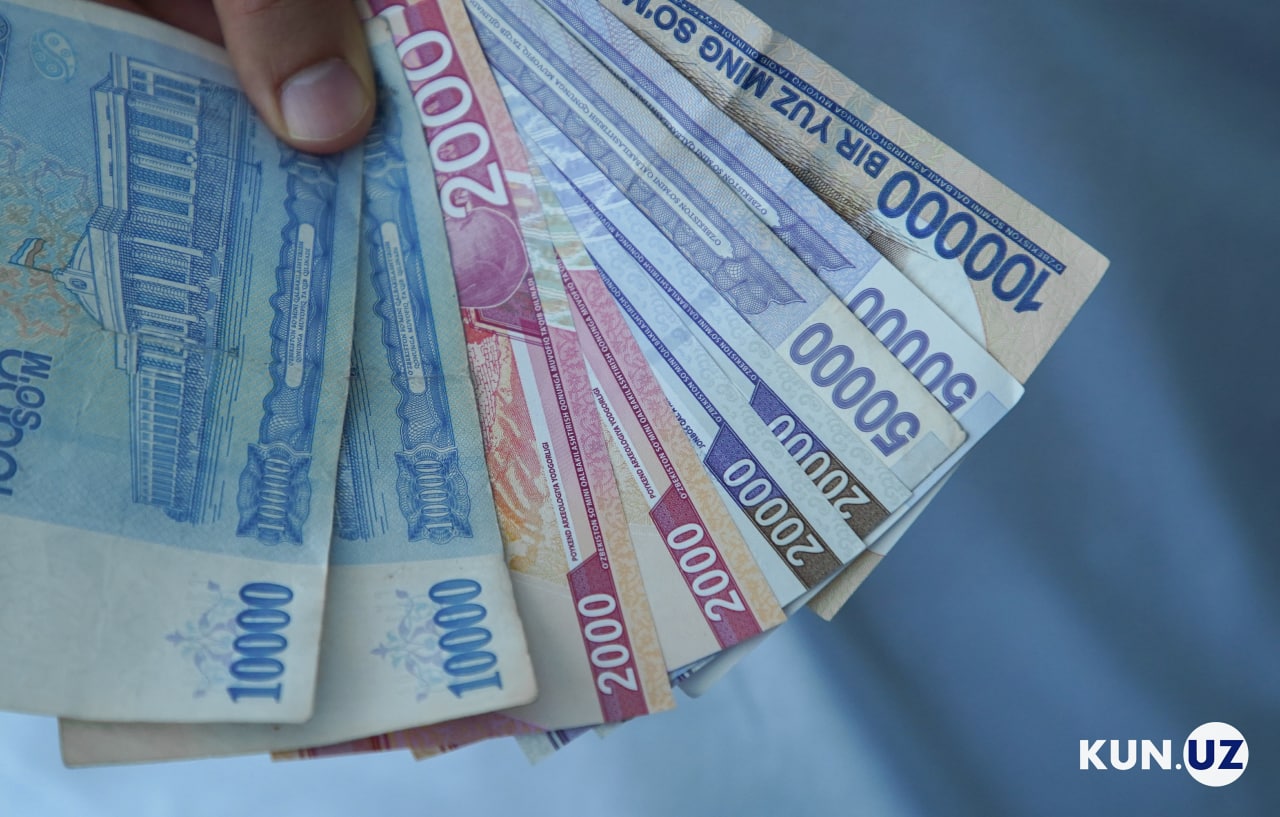
Tashkent remains the undisputed leader with an average per capita income of UZS 52 million, followed by Navoi (UZS 32.1 million) and Bukhara (UZS 26 million). At the other end of the scale, the Republic of Karakalpakstan (UZS 14.8 million), Namangan (UZS 15.8 million), and Surkhandarya (UZS 16.5 million) posted the lowest figures.
Overall, the population’s total income amounted to UZS 825.3 trillion in January–September, marking a real growth rate of 8.4% when adjusted for inflation. The nominal rise in per capita income stood at 16.1%, with real growth reaching 6.3%.
The capital’s average income is 2.39 times – or 138.5% – higher than the national average. Analysts attribute this to higher salaries, the dominant role of the services sector, and access to additional income streams. Navoi’s figure exceeds the average by 47.2% thanks to its industrial strength and resource-based economy, while Bukhara’s income level is 19.3% higher than the national mean.
Tashkent region, which surrounds the capital, is roughly in line with the overall country average.
The gap between Tashkent (UZS 52 million) and Karakalpakstan (UZS 14.8 million) stands at UZS 37.2 million – highlighting how economic growth remains uneven across the country.
Experts note that regional income levels are shaped by the quality of available jobs, the performance of the real estate and rental markets, migration patterns, and the implementation of industrial and logistics projects.
While income growth has been observed across all regions, the data suggest that remote areas continue to lag behind. To narrow the gap, economists say policies that promote higher wages, greater employment opportunities, and small business development will be key to achieving more balanced growth.

Related News

14:07 / 03.07.2026
Uzbekistan targets $150 million in footwear exports by end of 2027

11:30 / 03.07.2026
Uzbekistan’s gross external debt rises 20% to $82.2 billion

19:03 / 02.07.2026
Remittances to Uzbekistan hit $3.8 billion in Q1 as geographic reliance shifts away from Russia
18:10 / 30.06.2026