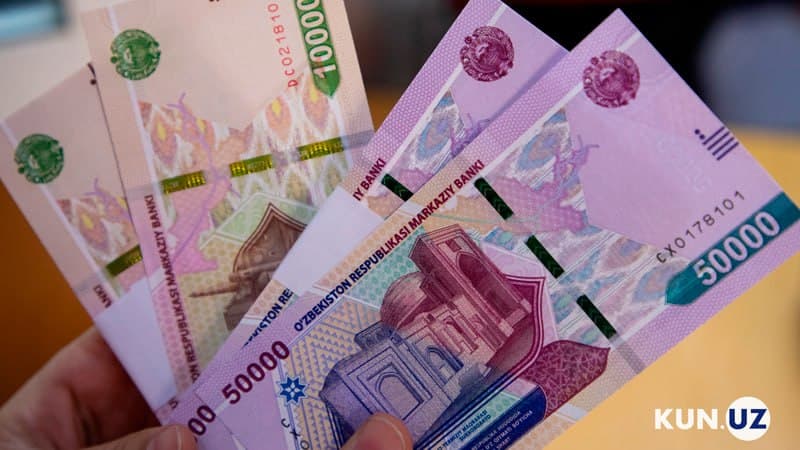

In October, inflation expectations among Uzbekistan’s population continued to fall, according to a survey conducted by the Central Bank.
The average forecast for price growth over the next 12 months dropped to 11.7%, down by 0.3 percentage points from September and marking the lowest level in recent years. The median estimate remained unchanged at 10.3%.
Tashkent once again topped the regional ranking for expected inflation, with residents forecasting an average of 14.5%. It was followed by Tashkent region (12.6%) and Kashkadarya region (12.2%). The lowest expectations were observed in the eastern part of the country – 10.4% in Fergana, 10.5% in Andijan, and 10.6% in Namangan.
Among professional sectors, the highest inflation expectations were reported in household services (13.4%), trade (12.6%), and tourism (12.4%). The most optimistic projections came from pensioners (10%), healthcare workers (10.1%), and students (10.9%).
Higher-income groups tended to forecast stronger inflation. Respondents earning UZS 20–30 million per month expected prices to rise by 19%, while those earning UZS 15–20 million projected 13.6%. Meanwhile, citizens with monthly incomes below UZS 4 million anticipated an inflation rate of 10.6%.
The factors most influencing inflation expectations were rising utility tariffs, cited by 46% of respondents, followed by higher energy costs (42%). Other contributing factors included increases in food prices (27%), wages (26%), and transport expenses (25%).
Business expectations for inflation over the next year also continued to decline. The average forecast dropped by 0.6 percentage points to 11.1%, while the median figure stood at 10% (down by 0.4%).
Among entrepreneurs, the highest expectations were recorded in Khorezm (12.8%), the capital (12.6%), and Tashkent region (12.2%). The lowest figures came from Namangan and Jizzakh (10.1%), as well as Andijan (10.2%).
By business sector, expected inflation was highest in culture (13%), food service (12.4%), and construction (11.9%). Relatively lower projections were observed in agriculture (9.5%), handicrafts (10.2%), and healthcare (10.3%).
As with the general population, businesses cited higher utility tariffs (47%) and energy costs (45%) as the main factors shaping their inflation outlook. They also pointed to rising transport costs (33%) and raw material prices (28%). Currency fluctuations were ranked last (21%), coming behind the tax burden (23%).