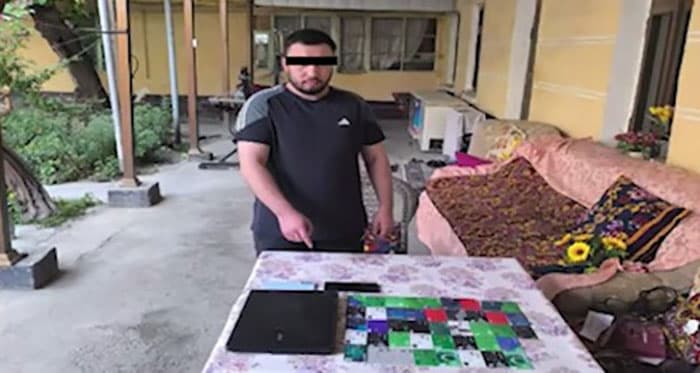
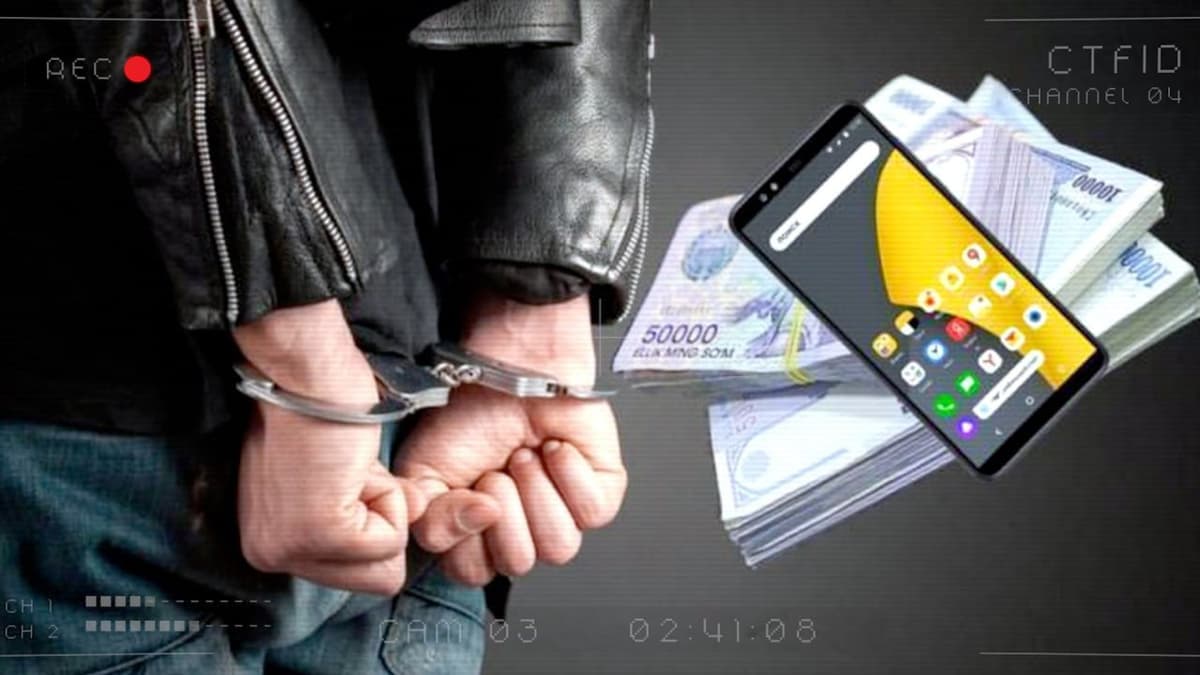
According to the Tashkent Regional DIA, a 2005-born resident of Akhangaran district, identified as B.N., and three of his accomplices were detained during an urgent investigation. They had created pages on Telegram and Instagram under the name “limit withdrawal service”, promising to cash out credit limits allocated by microfinance organizations.
The suspects registered a business entity in their names and operated through online trading platforms. They reportedly exploited the trust of about 600 citizens and embezzled a total of UZS 1.032 billion.
A criminal case has been opened against the detainees under Article 168, part 4, paragraph “a” (fraud) of the Criminal Code. The suspects have been placed in custody as a preventive measure. Efforts are underway to recover the damages, and a preliminary investigation has been launched.
Meanwhile, November has been declared the “Month of Promoting Cyberculture” in the region, with intensified awareness and prevention campaigns. Data shows that cybercrimes accounted for 44 percent of all criminal offenses recorded in the region during the first ten months of this year.
The most common types of cybercrime include:
– gaining access to bank cards or accounts via malicious links;
– fake online transactions requiring prepayment;
– fraudulent cryptocurrency exchanges;
– obtaining online loans under other people’s names;
– phone call scams.
Cybersecurity tips:
– Do not trust “limit withdrawal” or “easy income” offers;
– Always verify the legitimacy of legal entities before transferring money;
– Avoid clicking on unknown links and never share authentication codes;
– Report suspicious activity to the DIA, the “102” hotline, or cybersecurity services.