





Additional features
-
Night mode

Draft 2026 budget projects higher GDP, lower inflation and steady deficit cap
Uzbekistan’s Ministry of Economy and Finance has published the draft state budget for 2026 along with medium-term fiscal projections for 2026–2028, outlining expectations for economic growth, inflation, public debt limits and tax policy. The document provides the first detailed look at the government’s fiscal priorities for the coming years.
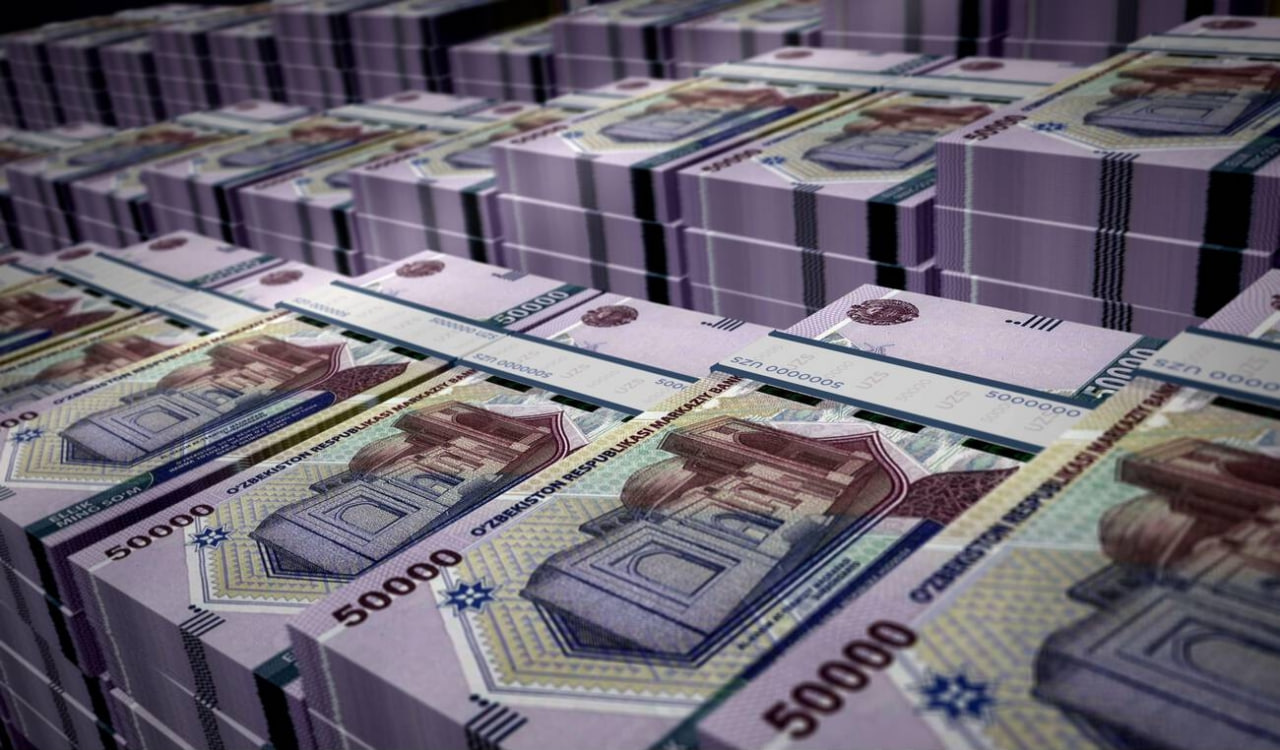
According to the draft, Uzbekistan’s gross domestic product is projected to exceed UZS 1 quadrillion 976 trillion in 2026, with GDP growth forecast at 6.6 percent next year, rising to 6.8 percent in 2027 and 6.9 percent in 2028. The budget deficit is capped at UZS 59.9 trillion, equivalent to 3 percent of GDP — a limit that is also planned to remain in place through 2027 and 2028.
Inflation is expected to ease to 7 percent in 2026 before falling further to 5–6 percent in 2027 and reaching 5 percent by 2028. Core tax rates will remain unchanged.
Budget revenues, spending and deficit
Consolidated budget revenues for 2026 are projected at UZS 515.3 trillion, while expenditures are expected to reach UZS 566.9 trillion. Excluding inter-budgetary transfers, state budget revenues are forecast at UZS 368.9 trillion and expenditures at UZS 328.8 trillion.
The UZS 59.9 trillion deficit will be financed through external and domestic borrowing, proceeds from privatization of state assets and other sources.
External borrowing and debt
Uzbekistan plans to reduce its external borrowing ceiling from $5.5 billion this year to $5 billion in 2026. Of this amount, $2.5 billion will support the state budget and another $2.5 billion will be allocated for investment projects. The government also intends to issue state securities worth UZS 30 trillion next year, while UZS 49.2 trillion will be directed toward debt repayment.
The cap on new public-private partnership (PPP) projects will be set at $6.5 billion.
Energy and transport to receive half of all subsidies
Despite recent increases in gas and electricity prices, the government will continue subsidizing the energy sector. Total budgeted subsidies for 2026 amount to UZS 28.3 trillion — equal to 7 percent of all budget expenditures and slightly lower than the UZS 30.4 trillion planned for 2025.
A significant share of subsidies will go to:
- covering price gaps in gas purchase and sales – UZS 5.9 trillion;
- private preschools – UZS 4.6 trillion;
- maintaining low tariffs in district heating – UZS 3.8 trillion;
- mortgage support for households – UZS 2.7 trillion;
- agriculture – UZS 2 trillion;
- bus transport contracts – UZS 1.9 trillion;
- geological exploration – UZS 750 billion;
- energy-efficiency programs – UZS 700 billion;
- railways – UZS 700 billion.
Overall, half of the subsidy pool will be directed toward the energy and transport sectors.
Tax policy to remain stable with targeted adjustments
Key tx rates will remain unchanged in 2026:
- corporate income tax – 15%;
- value-added tax – 12%;
- personal income tax – 12%;
- social tax – 12% (25% for budget organizations);
- turnover tax – 4%;
- property tax for legal entities – 1.5%.
The land tax rate for agricultural land will remain at 0.95 percent of the land’s normative value.
A new progressive excise scale will be introduced for sugary drinks, ranging from UZS 500 to 535 per liter depending on sugar content. Drinks containing sweeteners other than sugar will be taxed at UZS 500 per liter, while excise on energy drinks will rise from UZS 2,000 to 2,150 per liter.
Restaurants and individual entrepreneurs producing beverages for immediate sale will be exempt from excise, while products without labelled sugar content will be taxed at the highest rate.
From 1 April 2026, excise on petroleum products sold to end consumers will increase by 7 percent, while existing rates will be maintained for polyethylene granules (10 percent) and natural gas (12 percent).
Beginning 1 January 2026, tax rates for land use, property, water resources, mineral extraction, and minimum rental payments for tax purposes will be raised by 7 percent.

Related News

15:28 / 10.07.2026
Spending on education services in Uzbekistan nears UZS 19 trillion in five months
12:28 / 10.07.2026
World Bank: Uzbekistan could attract up to $6.4 billion in private investment through sector reforms
12:19 / 10.07.2026
China remains Uzbekistan's largest trading partner in Jan–May 2026
19:17 / 09.07.2026