





Additional features
-
Night mode

Air quality in Tashkent worsens as PM2.5 concentration surges
Air quality in Tashkent sharply deteriorated on the morning of 2 December, with concentrations of fine particulate matter PM2.5 reaching levels 3.5 times higher than the permissible norm, according to data from automatic air-quality monitoring stations.
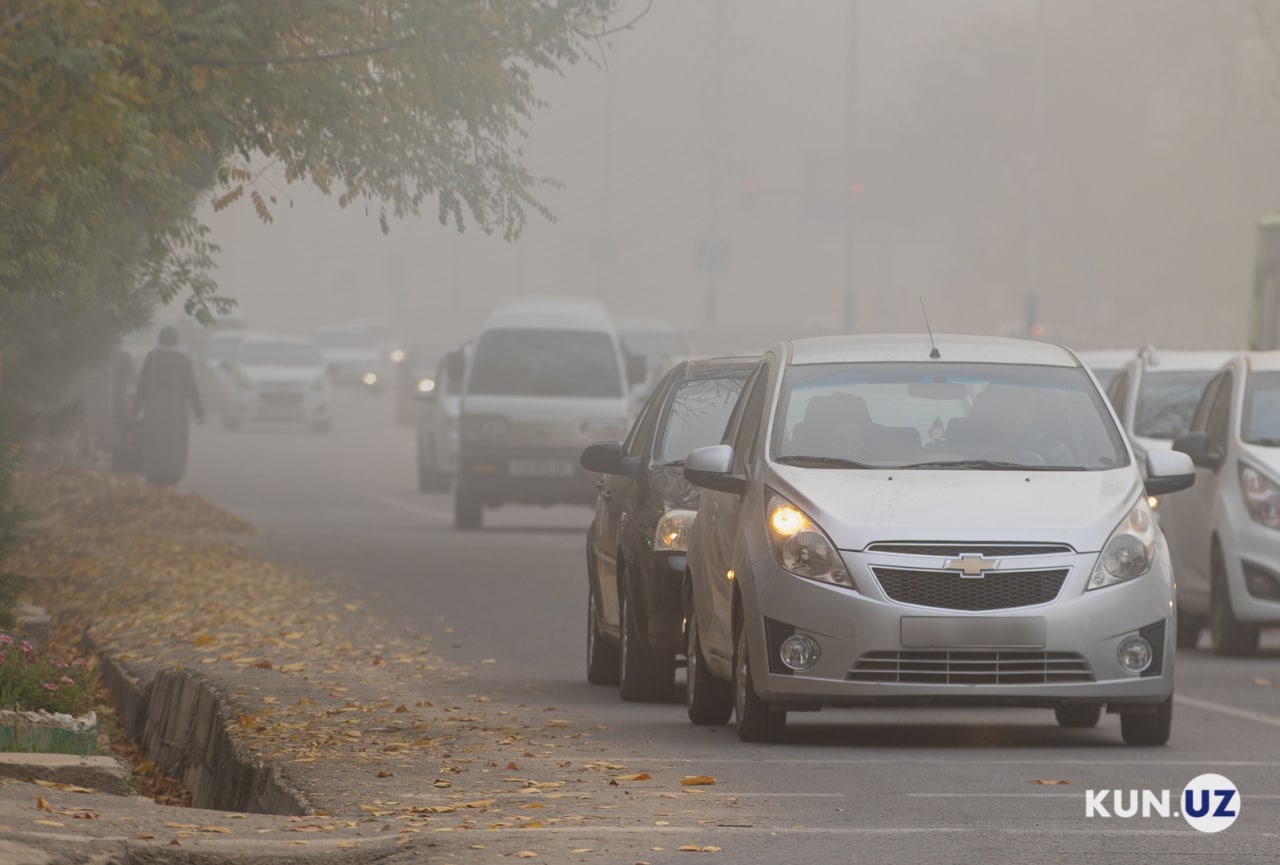
At 09:00, PM2.5 levels in the capital measured 212 µg/m³, significantly exceeding the authorized limit of 60 µg/m³. In contrast, PM10 concentrations stood at 280 µg/m³, remaining below the maximum permissible threshold of 300 µg/m³.
Experts note that the spike in PM2.5 levels was partially driven by sudden temperature fluctuations, which trigger atmospheric inversion – a process that traps particulate matter in the lower layers of the atmosphere, causing concentrations to rise.
PM2.5 refers to airborne particles with a diameter of less than 2.5 micrometers. Due to their extremely small size, these particles can penetrate deep into the lungs and even enter the bloodstream. They are typically produced by vehicle emissions, thermal power plants, industrial activities, coal burning, construction dust and other combustion processes.
High exposure to PM2.5 increases the risk of cardiovascular diseases, bronchitis, asthma exacerbations, headaches and shortness of breath.
Authorities advise residents to take precautionary measures when PM2.5 levels exceed safe limits, including wearing masks, limiting time outdoors and ensuring vulnerable groups, such as children, the elderly and people with heart or lung conditions, avoid exposure whenever possible.

Related News

14:37 / 10.07.2026
Tashkent and Astana launch joint effort to tackle cross-border air pollution

11:52 / 10.07.2026
Japanese company proposes energy-efficient heating upgrade for Uzbekistan's greenhouses

12:10 / 09.07.2026
Government drops controversial eco-fee on 30-year-old cars after backlash
11:30 / 07.07.2026