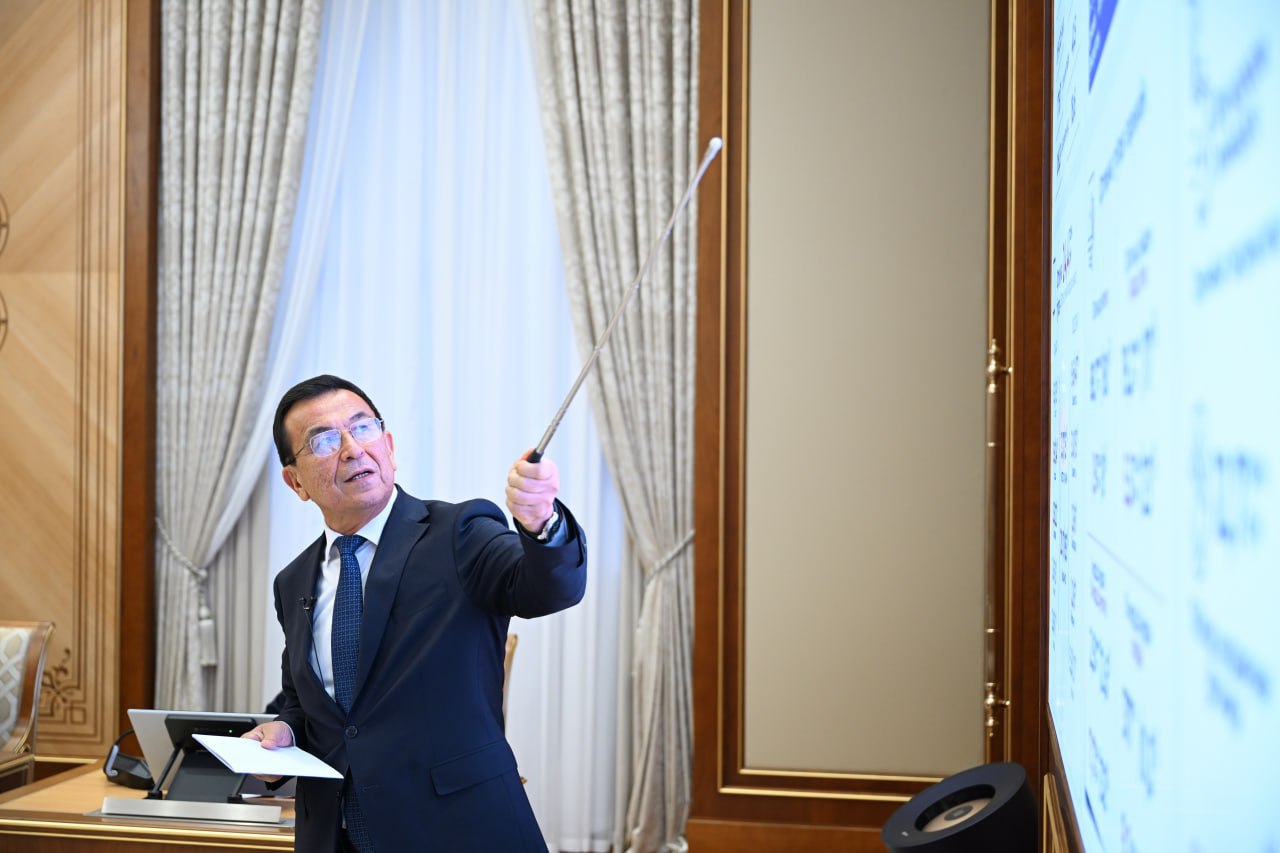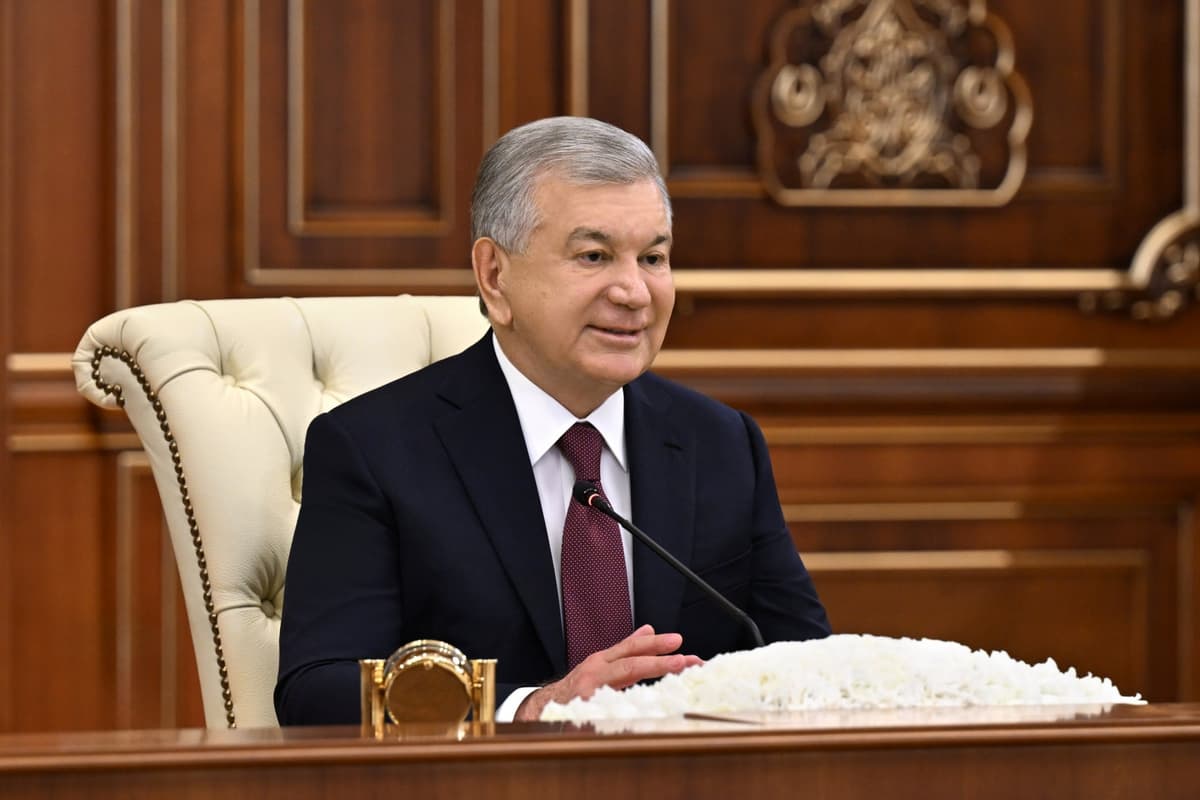
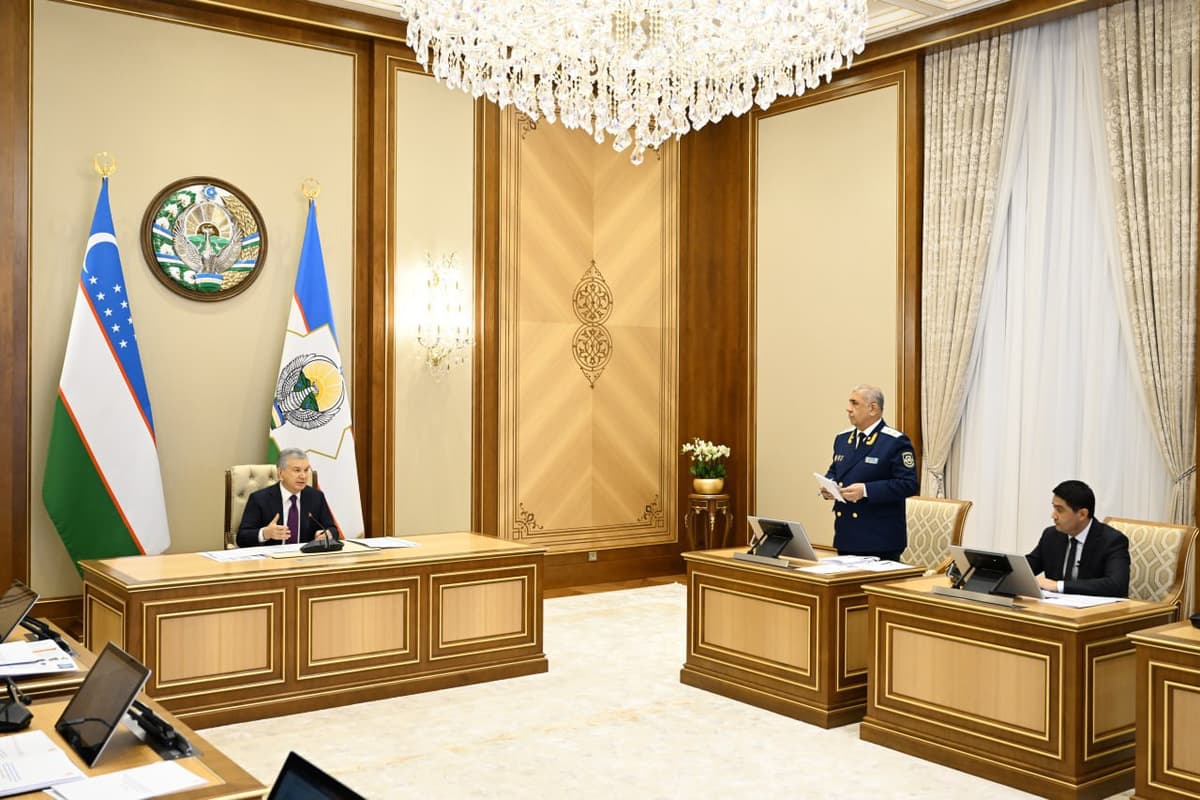
On 10 December, President Shavkat Mirziyoyev was briefed on ongoing and planned measures to combat corruption, strengthen compliance oversight, and advance digitalization.
It was noted that, at the initiative of the United Nations, International Anti-Corruption Day has been observed annually worldwide on 9 December since 2004. This date serves as an important opportunity to assess progress, analyses practical outcomes, and outline new tasks in this area.
According to the report, more than UZS 793 billion in misallocated funds has been prevented, and financial errors and irregularities totaling nearly UZS 2 trillion have been identified. Damages worth UZS 478 billion have been recovered.
In addition, UZS 354 billion in financial errors and irregularities were detected, 1,397 cases of conflict of interest were identified, and misallocation of almost UZS 550 billion was prevented. Twenty-six criminal cases were initiated against officials, while 24 individuals faced administrative liability and 148 were subjected to disciplinary action.
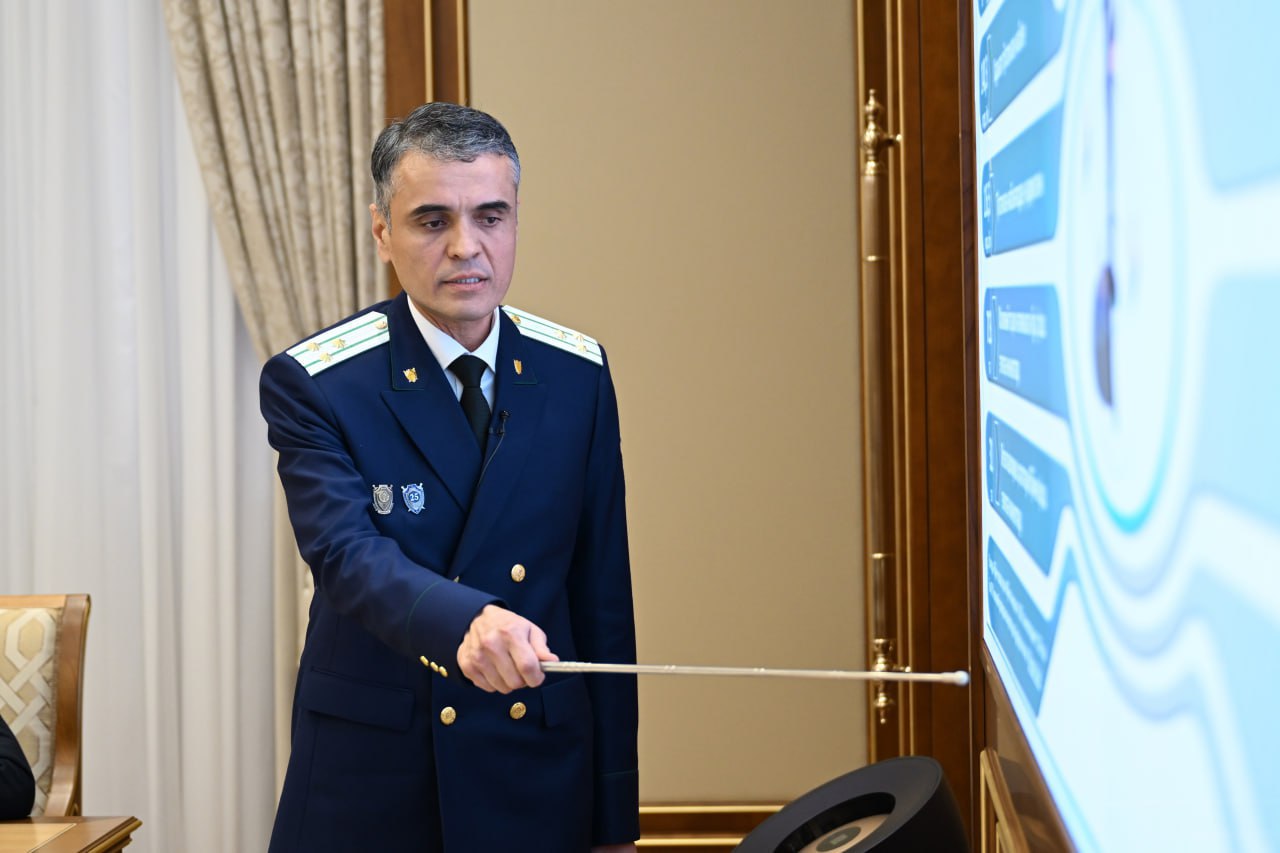
To elevate anti-corruption efforts, the establishment of an Anti-Corruption Cluster was proposed. This system will facilitate close cooperation and coordination among the Anti-Corruption Agency, law enforcement bodies, the Accounts Chamber, the State Financial Control Inspectorate, internal audit units of various agencies, educational and research institutions, and non-governmental organizations.
Within the cluster, information sharing, joint activities, and a unified ecosystem supported by monitoring and evaluation will help improve the efficiency of efforts in the field.
The presentation also highlighted plans to expand digitalization and introduce artificial intelligence technologies.
A Risk Analysis Centre will be created through the integration of databases from various agencies, enabling automatic detection of corruption risks and affiliated parties in public procurement. Plans were also presented to fully digitalize the work of compliance units and improve the speed of identifying corruption factors and risks.
The meeting underlined the importance of strengthening public oversight during decision-making. To this end, instructions were given to enhance oversight of the publication of documents on the “E-qaror” platform and broaden opportunities for public monitoring of budget spending.