




Additional features
-
Night mode

Uzbekistan sees uneven real wage growth across regions
Over the first nine months of 2025, the strongest growth in real wages was recorded in Samarkand (14.6 percent), Syrdarya (11.1 percent), and Namangan regions (10.9 percent), while the slowest growth was observed in Andijan (2.9 percent) and Navoi (5.9 percent). According to the Central Bank of Uzbekistan, regional disparities in real wage growth reflect differing levels of economic activity and demand for labor across the country.
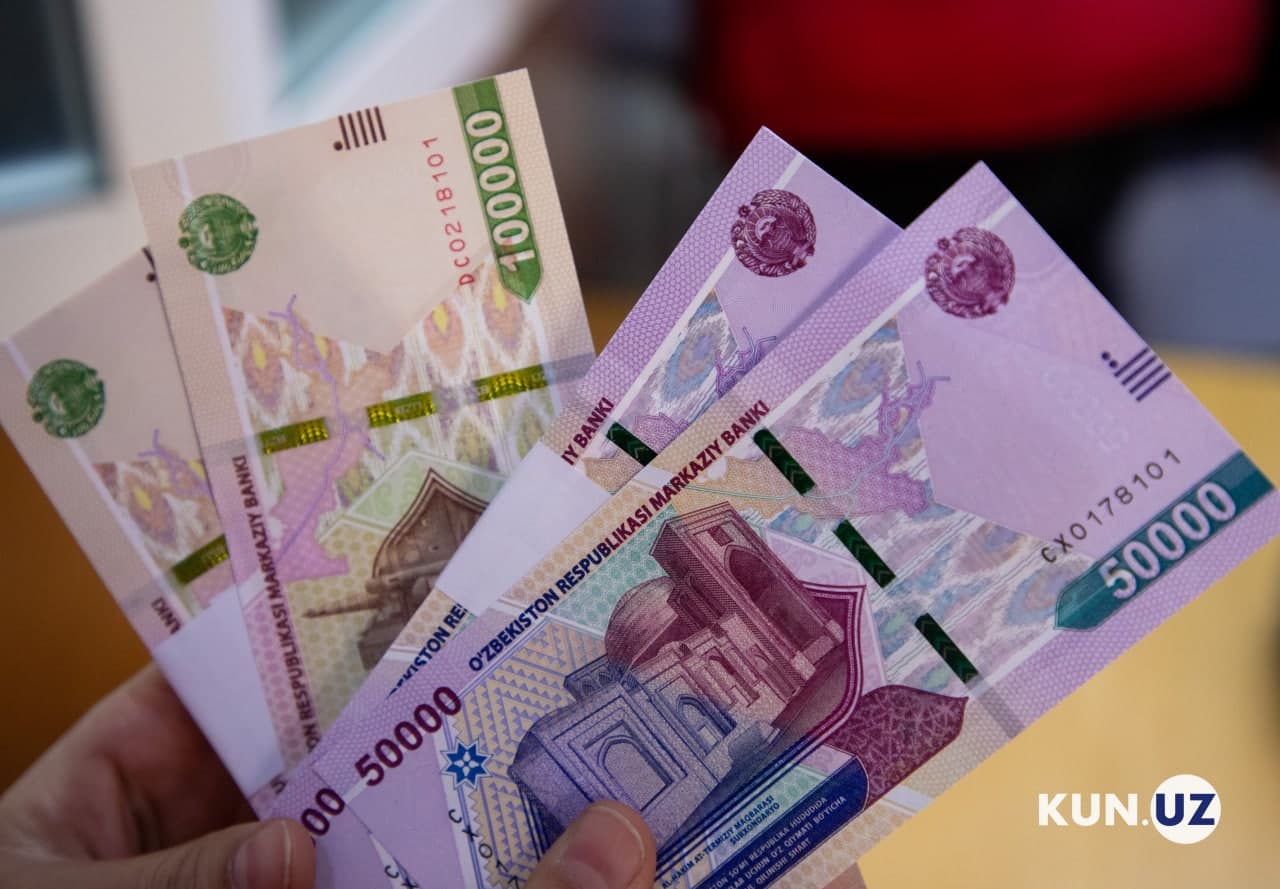
In the third quarter of 2025, increases in salaries for employees of budget-funded organizations, combined with relatively lower inflation, led to stronger growth in both nominal and real wages. Over the nine-month period, nominal wages rose by 19.2 percent year over year, while real wages increased by 9.1 percent, the Central Bank said in its labor market review.
The average monthly wage reached nearly UZS 6.2 million. By sector, average wages remained significantly higher in finance and insurance, as well as in information and communication services, at UZS 16.8 million and UZS 15 million, respectively. At the same time, during the third quarter, wages in social services, transportation and storage, and several other sectors grew faster in both nominal and real terms compared with most other industries.
The weakest wage growth continued to be seen in construction. In this sector, the average nominal wage increased by 9.2 percent year over year, while real wages declined by 0.1 percent.
Commenting on regional trends, the Central Bank noted that faster wage growth in certain areas indicates more active labor markets and stronger demand for workers. This could translate into higher household consumption spending and, in turn, support regional economic growth. However, the Central Bank cautioned that if wage growth outpaces gains in labor productivity, it may also lead to increased demand-side inflationary pressures.

Related News
11:35 / 07.07.2026
Uzbekistan's current account deficit jumps to $5.8 billion as imports surge
15:51 / 06.07.2026
Uzbekistan sees sharp rise in property deals and mortgage lending
12:19 / 06.07.2026
Central Bank reports sharp increase in job seekers across Uzbekistan
14:12 / 03.07.2026