





Additional features
-
Night mode

Central Bank reports strong wage growth and more job vacancies in Uzbekistan in Q3
The Central Bank of Uzbekistan has outlined key trends in Uzbekistan’s labor market in the third quarter of 2025 (July–September). The analysis covers labor supply and demand, incomes, and remittance flows.
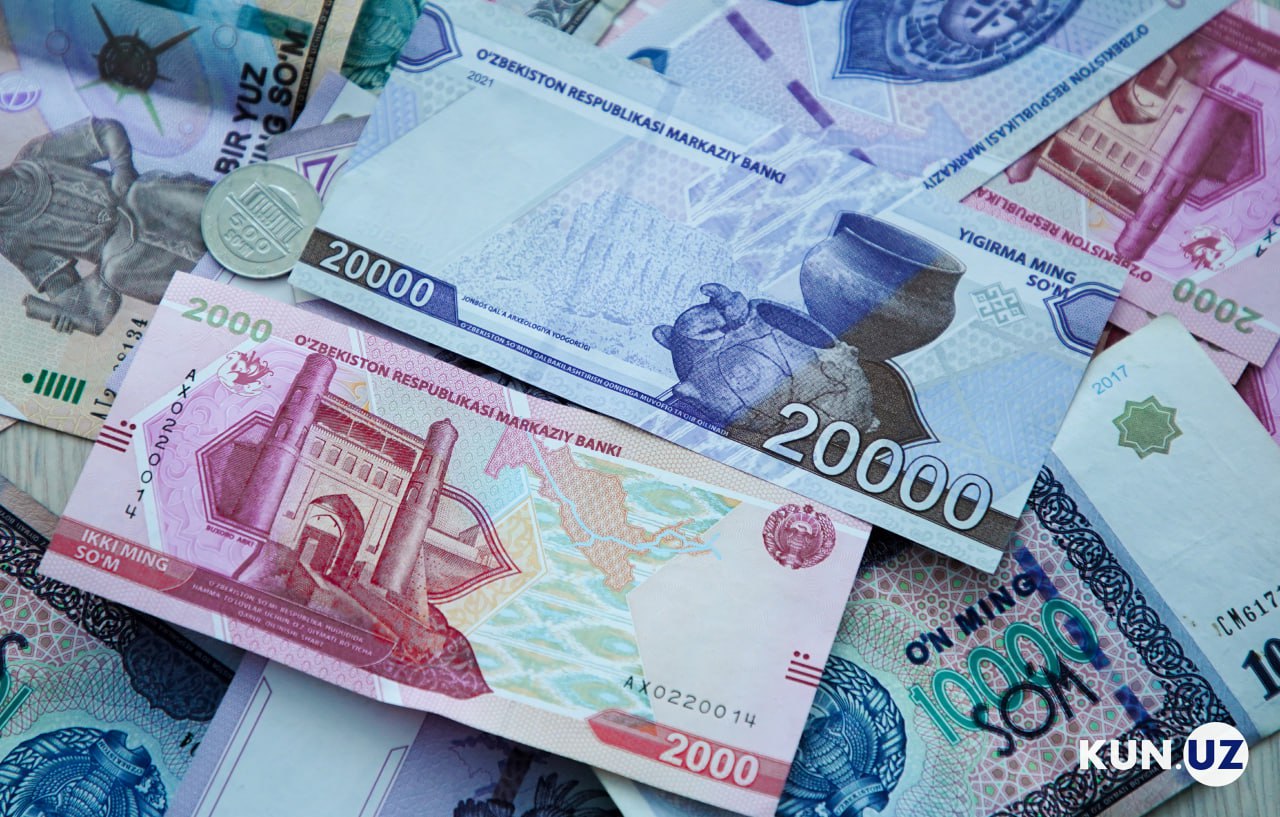
In the third quarter of 2025, the number of job vacancies in Uzbekistan increased by 3.3 percent. Over the three-month period, the largest share of vacancies was recorded in trade (17.9 percent), public catering (17.1 percent), and manufacturing (17 percent).
Although job search activity among the population declined slightly in July–September, the number of job applications (resumes) remained high. The number of job seekers increased particularly in trade, customer service, domestic services, marketing, and advertising. In September, the seasonal increase in online job search activity observed earlier in the year began to slow.
Over the three months, employers significantly increased the number of job openings, and demand for labor remained strong.
According to a Central Bank survey conducted in July–August, the share of entrepreneurs planning to increase employment over the next three months reached 33.9 percent, up from 30.2 percent in the second quarter. In September, the figure declined to 30.8 percent due to seasonal factors.
At the same time, the share of entrepreneurs planning to cut jobs rose from 8.7 percent in the second quarter to 12.7 percent in the third quarter. Job reductions were most frequently reported in construction (16.4 percent) and trade (25.6 percent).
In January–September 2025, nominal wages in Uzbekistan increased by 19.2 percent, while real wages rose by 9.1 percent. The Central Bank attributed this to pay increases for public sector employees and easing inflation. Over the nine-month period, the average monthly wage reached UZS 6.2 million.
The highest average wages were recorded in finance and insurance (UZS 16.8 million) and information and communication services (UZS 15 million). At the same time, wages grew faster than average in social services, as well as in transport and storage.
In construction, wage growth was the weakest: nominal wages rose by 9.2 percent, while real wages declined by 0.1 percent.
By region, the strongest growth in real wages was recorded in Samarkand (14.6 percent), Syrdarya (11.1 percent), and Namangan (10.9 percent). The lowest growth was seen in Andijan (2.9 percent) and Navoi (5.9 percent).
According to the analysis, regional disparities in wage growth reflect differences in economic activity and labor demand. Faster wage growth may boost consumer spending in these regions, but if wages rise faster than productivity, inflationary pressures could intensify.
In the third quarter of 2025, labor migrants sent $5.7 billion to Uzbekistan, up 18.5 percent from $4.8 billion in the same period of 2024.
The Central Bank attributed the increase to higher wages in host countries, strong economic activity, and relatively stable exchange rates.
The analysis noted that remittances from the Baltic states and other regions rose by 40 percent, while growth in transfers from Europe, Russia, and Asian countries slowed.

Related News
11:35 / 07.07.2026
Uzbekistan's current account deficit jumps to $5.8 billion as imports surge
15:51 / 06.07.2026
Uzbekistan sees sharp rise in property deals and mortgage lending
12:19 / 06.07.2026
Central Bank reports sharp increase in job seekers across Uzbekistan

14:12 / 03.07.2026