





Additional features
-
Night mode

Economist explains factors behind UZS’s 2025 rally
In 2025, the UZS strengthened by nearly 6.8 percent against the U.S. dollar. Economist Mirkomil Kholboev analyzed the factors behind the national currency’s appreciation, noting that another distinctive development was a marked widening of the trading corridor in the UZS–USD pair.
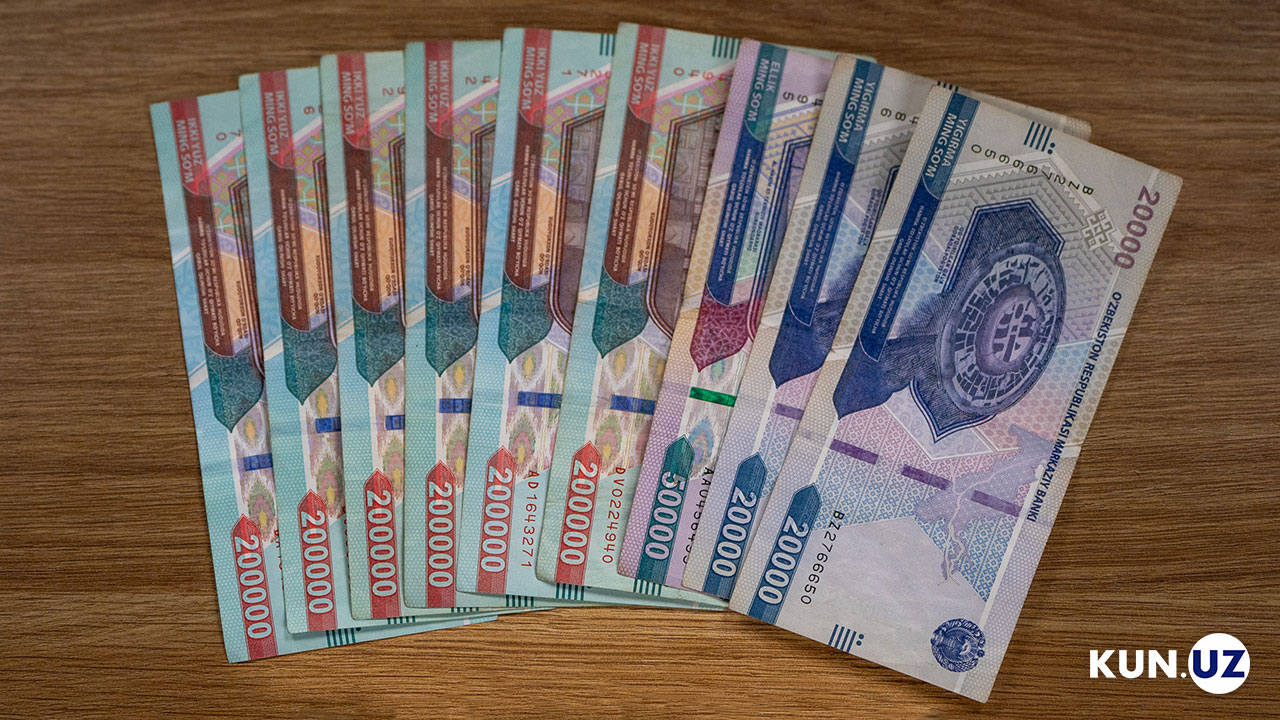
Over the year, the UZS gained 6.8 percent against the dollar. By comparison, the Kazakh tenge strengthened by 3.9 percent and the Russian ruble by 23.8 percent, while the Kyrgyz som depreciated by 0.5 percent. Among major currencies, the Swiss franc rose by 13.5 percent, the euro by 12.4 percent, the pound sterling by 7.9 percent, and the yen by 0.8 percent against the U.S. currency. According to Kholboev, these trends were driven by growing uncertainty in U.S. decision-making under President Trump and the escalation of trade wars.
“The UZS’s historic strengthening this year was driven by the global weakening of the dollar – the dollar index fell by 9.4 percent over the year – and by the sharp rise in gold prices, our main export commodity, which climbed 70 percent in 2025. As a result, gold export revenues reached a historic high of $9.9 billion over 11 months,” the economist wrote.
He added that the UZS was also supported by stronger exchange rates in key labor markets, particularly the ruble, which pushed remittance inflows above expectations to $17.3 billion over 11 months, as well as by robust investment inflows. Foreign investment and loans in fixed capital investment rose by 24 percent over nine months.
Kholboev further noted that the UZS strengthened in 53.4 percent of all trading sessions.
“In 2025, the UZS strengthened in 134 sessions, accounting for 53.4 percent of the total. By comparison, it strengthened on 108 days in 2024 and 102 sessions in 2023. The closest comparable figure was recorded in 2022, when the UZS strengthened in 127 sessions. However, in 2022 the UZS depreciated by 3.7 percent against the dollar, while this year it appreciated by nearly 7 percent,” he said.
Another notable development was the significant widening of the corridor in the UZS–USD pair. This year, the average daily change stood at UZS 34.7, rising to UZS 45.2 after May. By comparison, the daily change averaged UZS 15.1 in 2024 and UZS 17.3 in 2023. Although the corridor narrowed slightly after September, it remained significantly wider than at the beginning of the year.

Related News
18:10 / 30.06.2026
Uzbek soum among world's most resilient currencies as dollar strengthens globally
17:48 / 24.06.2026
Central bank reports sharp rise in foreign currency sales and purchases across Uzbekistan

15:17 / 24.06.2026
Police arrest Tashkent man for selling $10,000 in fake US banknotes
19:59 / 11.06.2026