
BUSINESS | 12:06
158
7 min read

Uzbekistan begins studying models for a national digital currency

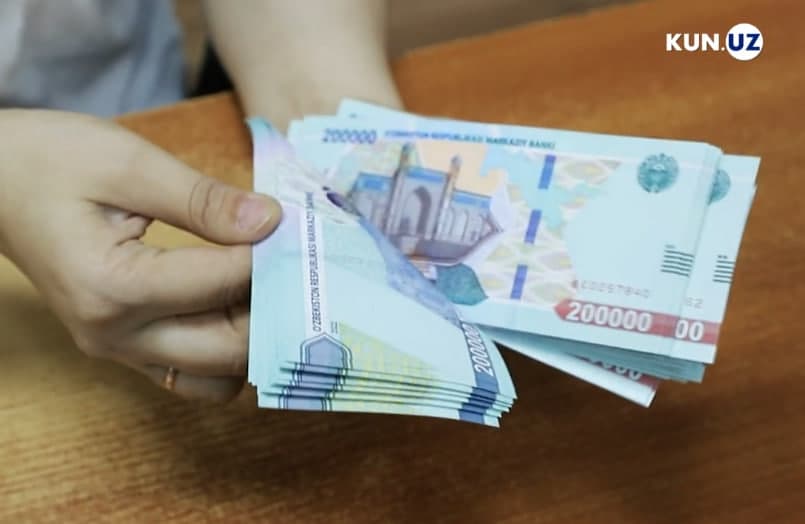
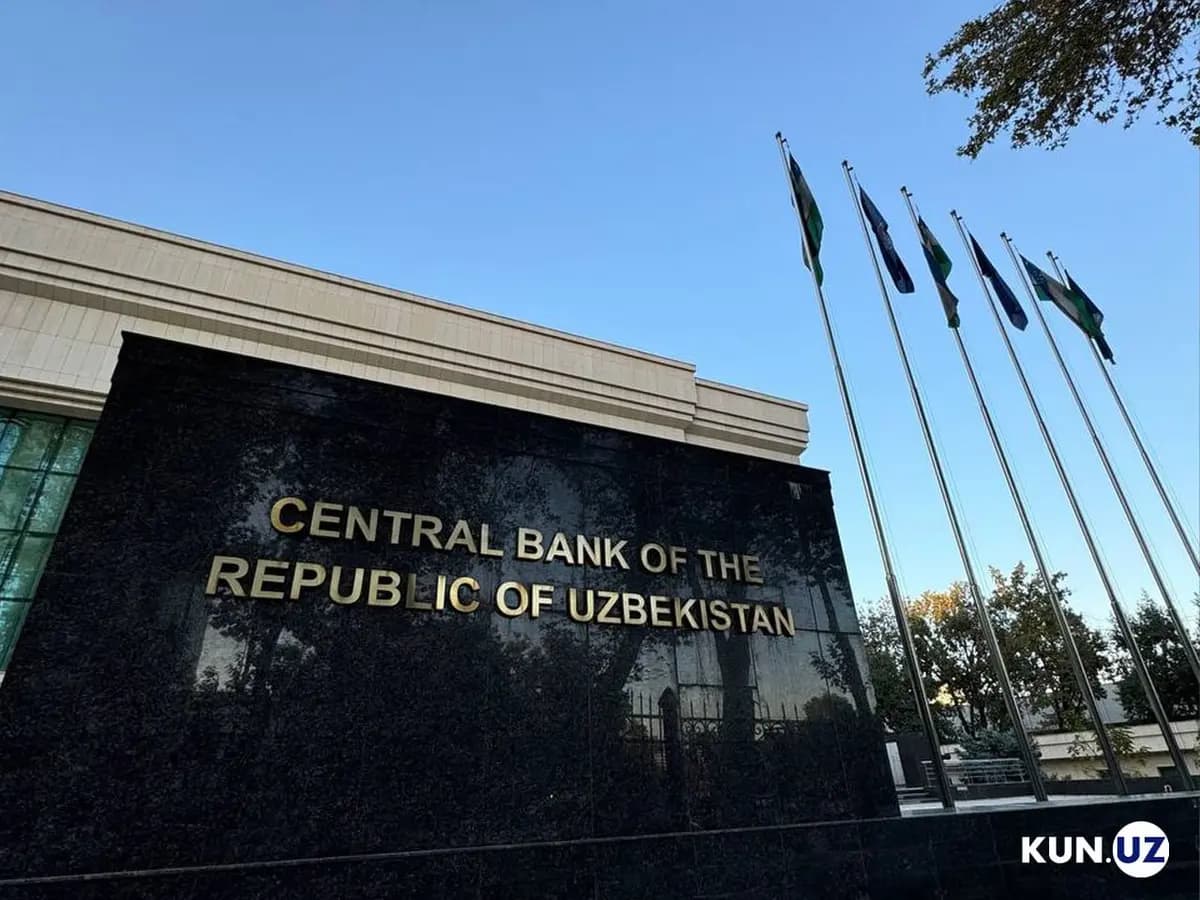
The Central Bank of Uzbekistan is considering various scenarios for issuing a digital soum – ranging from retail use to interbank settlements, Deputy Chairman of the Central Bank Nodirbek Ochilov said. The process is currently at the research stage, and a roadmap for the introduction of the digital currency is planned to be approved by April.

Photo: KUN.UZ

Research work on issuing a digital soum has begun in Uzbekistan. Deputy Chairman of the Central Bank Nodirbek Ochilov made the statement in late November during a roundtable discussion on the role of a floating exchange rate under inflation targeting, responding to a question about the prospects of a national digital currency.

According to him, since 2023 the regulator has been paying close attention to digital currencies as part of the development of the digital economy.

“In the context of the development of the digital economy and digital transformational changes, starting from 2023 we have been implementing major projects. If you look at the applications, attention has been paid to the role of digital currencies, and the Central Bank has already presented brief reviews and applications on introducing a digital currency into the economy,” he said.

Ochilov noted that the issue of a digital soum has also been discussed at the presidential level.

“As this issue is becoming even more relevant today, it was also presented at a meeting chaired by the head of our state. At the first stage, the Central Bank is studying the issue of issuing a digital soum and conducting a comprehensive examination of it,” the Deputy Chairman said.

He emphasized that similar processes are at the research stage in other countries as well, including Uzbekistan’s trading partners.

“It should be noted that in many countries, research in the field of digital currencies and national digital currencies has only just begun. In countries – our trading partners – as well as in developed states in general, this process is also at the research stage,” Ochilov said.

As an example, he cited cooperation with the Swiss National Bank.

“For example, recently we held joint seminars with the Swiss National Bank as part of our cooperation, and this process is also at the research stage for them. We are talking about a central bank digital currency,” he noted.

According to him, the rapid development of cryptoassets has become an additional factor driving the study of central bank digital currencies.

“Given the active development of cryptoassets, discussions and work on introducing a central bank digital currency have begun in all central banks, which could serve as an alternative to cryptoassets. We have also established research groups and launched relevant studies,” the Deputy Chairman said.

He added that several models of a digital soum are currently under consideration.

“There are several directions: it could be a retail digital currency or a wholesale digital currency that would be used only in interbank circulation. At present, we are shaping our approaches across these different directions,” he said.

According to Ochilov, more specific decisions are expected at the beginning of next year.

“Early next year there will be news on this issue, and, of course, with your participation as well as that of banks, these matters will be discussed. The process has begun – overall, we can say that the process has been launched,” he said then.

He also outlined the stages of further work.

“At the first stage, various directions of implementation are being studied. At the second stage – from the Central Bank’s perspective – there will be a deeper examination of what effects the introduction will have, primarily from a practical standpoint, whether as a wholesale or retail digital currency. After that, final conclusions will be issued at the beginning of next year,” the Deputy Chairman concluded.

Under the financial technology support program for 2025–2026, approved by a presidential decree in late November, Uzbekistan plans to develop a roadmap for conducting an experiment using a central bank digital currency as a means of payment.

The document stipulates that by April 2026, responsible agencies, based on recommendations from international consulting companies, must develop and approve a roadmap for introducing the digital currency.

Earlier, in September, Central Bank Chairman Timur Ishmetov spoke about the need to consider issuing a domestic digital currency. According to him, it could be used for retail payments by individuals and businesses, for transactions between the Central Bank and commercial banks, as well as for transactions between the Central Bank and other countries.

“We have the desire to study all options and test them,” he emphasized.

Vyacheslav Pak, First Deputy Director of the National Agency of Perspective Projects (NAPP), previously noted that there are plans to test the use of stablecoins (digital currencies) as a means of payment and to launch tokenized shares.

Related News