




Additional features
-
Night mode

From food to fuel – where prices are rising fastest in Uzbekistan
Prices for a range of goods and services in Uzbekistan have recorded sharp increases over the past year, with meat products, fuel, and insurance services among the most affected, according to the Central Bank.
The data, published as part of the inflation report for February 2026, shows that while overall inflation remains stable, significant price fluctuations persist across categories.
Annual inflation stood at 7.3 percent as of February 2026, unchanged from 2025. In previous years, inflation was recorded at 12.3 percent in 2022, 8.8 percent in 2023, and 9.8 percent in 2024.
Despite this relative stability, the composition of inflation reveals notable price shifts in food, non-food goods, and services.
Prices of several food items declined significantly over the year. Pumpkin fell by 57.1 percent, eggplant by 31 percent, watermelon by 26.3 percent, garlic by 22.9 percent, and peaches by 22.8 percent.
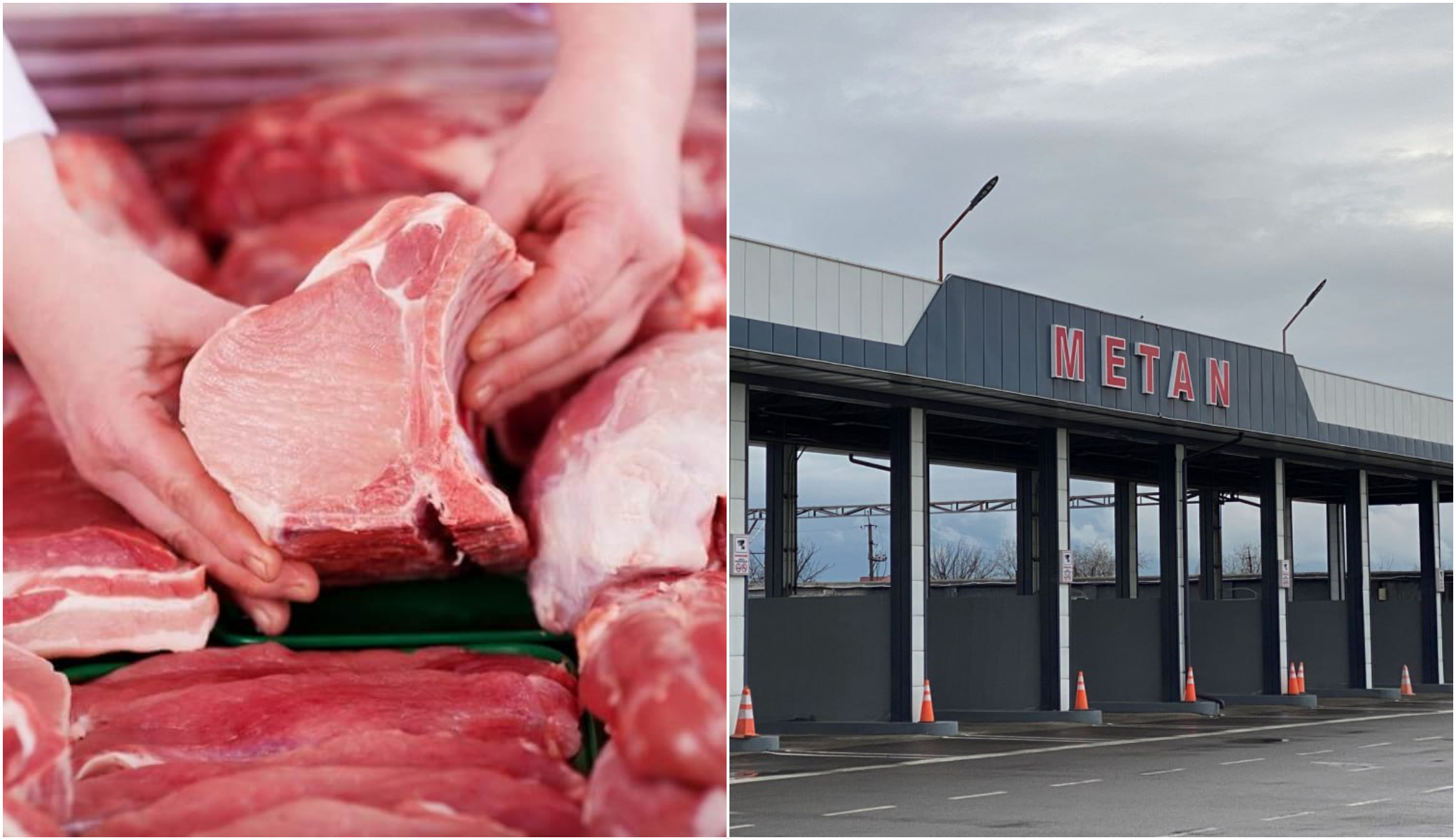
At the same time, a number of essential food products became considerably more expensive:
- Lemon – up 90 percent
- Lamb – up 27.4 percent
- Boneless beef – up 24 percent
- Bone-in beef – up 22.4 percent
- Minced meat – up 17.5 percent
Overall, 150 out of 167 food items in the consumer price index basket, or 90 percent, recorded annual price increases of below 10 percent.
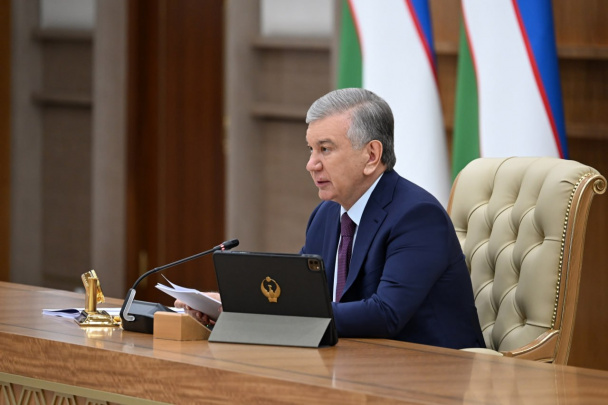
Earlier, during a government meeting chaired by the president, officials noted that food products accounted for 45 percent of inflation in January, with meat alone contributing 13 percent. The need to reduce import dependence in the meat sector by addressing feed supply issues was highlighted.
Among non-food items, prices for large kitchen appliances and small household appliances declined by 1.7 percent and 1.5 percent, respectively.
However, global gold price growth has driven up jewelry prices, with wedding rings increasing by 32.1 percent.
Other notable increases include:
- Methane – up 30.3 percent
- Newspapers – up 17.5 percent
- Magazines – up 15.3 percent
- Propane – up 9.7 percent
Out of 252 non-food items in the index, 233, or 92 percent, saw annual price growth of less than 10 percent.
In the services sector, some prices declined, including fees for money transfers (down 5.6 percent), domestic flights (down 3.5 percent), and tuition at private universities (down 0.5 percent).
However, several services recorded steep increases:
- Motor vehicle insurance – up 281.8 percent
- Trolleybus fares – up 100 percent
- Piped gas – up 39.2 percent
- Driving courses – up 38.5 percent
- Cold water supply – up 35.1 percent
Among 98 service categories in the consumer price index, 69, or 70 percent, experienced annual price increases below 10 percent.
Uzbekistan’s inflation has shown a gradual downward trend in recent years. After peaking at 18.8 percent in 2017 – the highest level in the past decade – inflation declined to 14.3 percent in 2018 and 15.2 percent in 2019.
From 2020 onward, inflation steadily slowed, reaching 10 percent in 2021. Although it rose again to 12.3 percent in 2022 due to external economic factors, it later declined to 8.8 percent in 2023 and further to 7.3 percent in 2025, where it remains as of early 2026.

Related News

16:53 / 26.06.2026
Uzbekistan and US accelerate negotiations for comprehensive trade pact
12:33 / 26.06.2026
What Uzbekistan's improved credit rating means for business and employment
17:50 / 25.06.2026
Moody’s upgrades Uzbekistan’s credit rating to Ba2 citing structural economic reforms
16:57 / 25.06.2026