




Additional features
-
Night mode

Central Bank keeps key rate unchanged at 14% amid persistent inflation risks
The Central Bank of Uzbekistan has decided to keep its key policy rate unchanged at 14% per annum, citing persistent inflationary risks despite a continued slowdown in overall price growth.
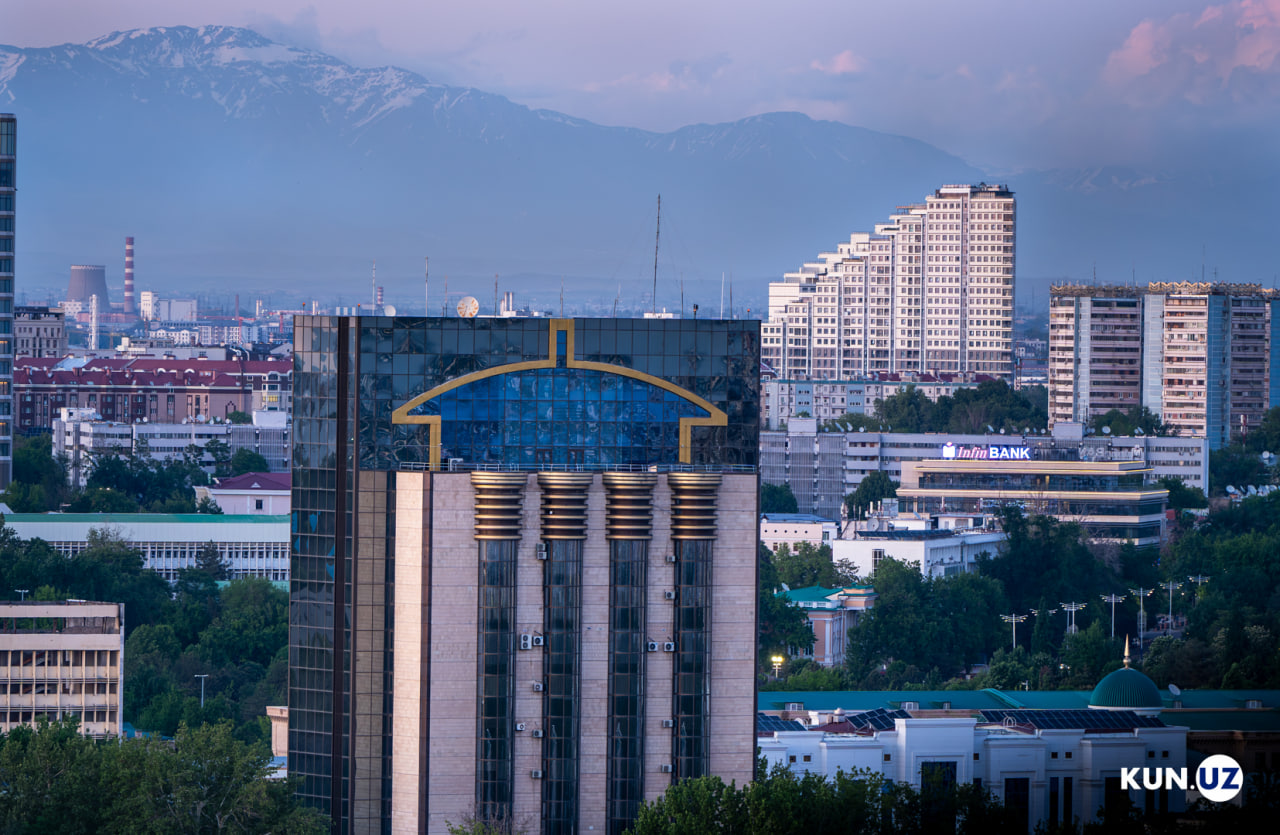
The decision was taken at a meeting of the Central Bank’s Board on 28 January. In its statement, the regulator said that while inflation is on a downward trajectory, services inflation remains elevated due to strong domestic demand. Additional risks stem from supply-side pressures in certain food products and possible disruptions during the winter season, which could push prices higher in the coming months.
According to the Central Bank, economic activity in 2025 exceeded earlier expectations, underpinned by resilient aggregate demand. The deceleration in inflation has continued, with a broad-based slowdown in goods price growth. However, demand-driven pressures have kept services inflation relatively high, while rising prices for some food items pose challenges to a sustained decline in headline inflation.
“In these conditions, maintaining the current tight monetary policy stance will help ensure a stable disinflation path,” the regulator said.
The Central Bank noted that if inflation and inflation expectations continue to decline steadily in the coming quarters, there may be scope to consider a gradual reduction in the key rate, while maintaining tight monetary conditions and taking into account changes in regulated prices.
Inflation outlook and macroeconomic conditions
In December 2025, annual inflation stood at 7.3%, in line with the Central Bank’s forecasts. The slowdown was supported by tight monetary conditions, an appreciation of the national currency, and easing imported price pressures, which contributed to a deceleration in core inflation to 5.7% year-on-year.
Despite some moderation, services inflation remains above the headline rate due to strong demand. Inflation expectations, which had been declining earlier, showed a slight increase in December. These factors, the Central Bank said, indicate the need to keep monetary conditions tight for a longer period to bring inflation sustainably down to target levels.
Under updated forecasts, inflation is expected to be around 6.5% by the end of 2026. At the same time, high investment activity, fiscal spending, and rising remittance inflows are expected to support income growth and consumer demand this year.
The regulator also warned that risks related to the supply of key food products, as well as winter-related disruptions, could exert upward pressure on food and services prices in the near term.
External environment and currency dynamics
While uncertainties in the global economic environment persist, their overall impact is expected to remain moderate. Inflation in Uzbekistan’s main trading partners has shifted to a downward trend, while global economic growth has exceeded expectations. High prices for precious metals are also projected to continue making a significant contribution to export revenues and budget income.
On the domestic foreign exchange market, strong foreign currency inflows from exports, external borrowing, and remittances contributed to a 6.9% appreciation of the UZS in 2025. This helped reduce imported inflation pressures, lower dollarization, and ease the cost of servicing external debt. The Central Bank expects external conditions to remain relatively favorable in the coming months, supporting a balanced real effective exchange rate.
Growth and financial conditions
Against the backdrop of robust economic and investment activity, economic growth for the year is projected at around 6.5–7%. In the banking sector, a persistent liquidity surplus and intensified liquidity absorption operations have kept money market rates close to the policy rate, at around 13.5–13.8%. As a result, positive real interest rates continue to encourage savings in the national currency and reinforce tight monetary conditions.
The Central Bank emphasized that maintaining the key rate at its current level will help contain inflationary risks amid strong aggregate demand, including fiscal stimulus measures and rapid growth in retail lending.
Looking ahead, the regulator said it will continue to closely monitor inflation dynamics, inflation expectations, aggregate demand, and external risks. Monetary policy will remain focused on reducing inflation to the medium-term target of 5%, ensuring macroeconomic stability, and preserving households’ purchasing power.
The Central Bank’s next meeting on the key policy rate is scheduled for 18 March 2026.

Related News
14:12 / 03.07.2026
Central Bank develops Taqsim platform to end mandatory payroll bank assignments

14:07 / 03.07.2026
Uzbekistan targets $150 million in footwear exports by end of 2027

11:48 / 03.07.2026
Uzbekistan’s overseas investment surges 33-fold after regulatory easing
11:30 / 03.07.2026