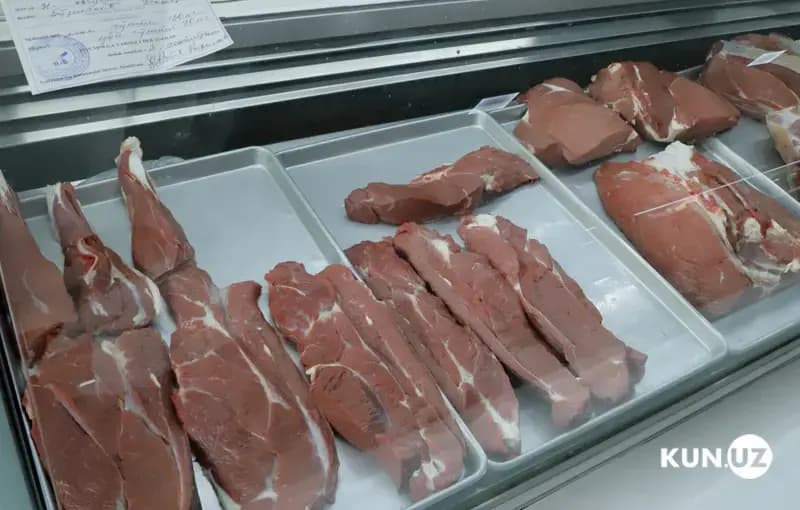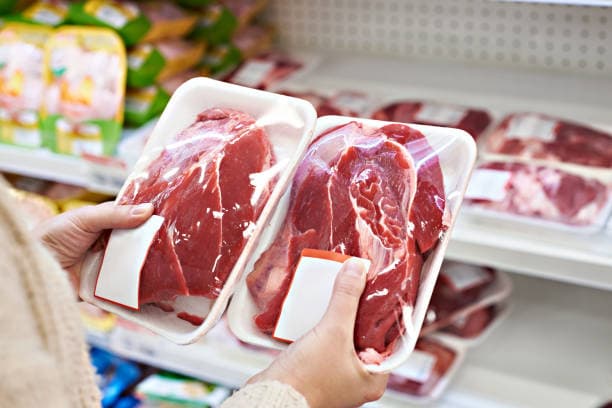
According to official data, price growth for meat in 2025 significantly outpaced overall inflation. The price of boneless beef increased at a rate 3.3 times higher than annual inflation, while lamb prices rose 3.7 times faster. In January 2026, prices continued to climb.
Figures from the Ministry of Economy and Finance show that at Tashkent’s Eski Juva farmers’ market, the wholesale minimum price of beef stood at UZS 66,000 per kilogram on 30 December, with a maximum of UZS 100,000. Lamb was sold at wholesale prices ranging from UZS 70,000 to 105,000 per kilogram. By 30 January, the minimum wholesale price of beef had risen to UZS 70,000 and the maximum to UZS 103,000, while lamb prices increased to a range of UZS 82,000–110,000 per kilogram.
Over the course of one month, the minimum wholesale price of beef rose by 6 percent and the maximum by 3 percent. Lamb prices saw a sharper increase, with the minimum rising by 17 percent and the maximum by nearly 5 percent.
The latest increase follows a sharp rise in 2025, when boneless beef prices climbed by 25 percent, bone-in beef by 23.9 percent, and lamb by 26.8 percent. Historical data from the Statistics Committee indicate that meat prices have consistently risen faster than overall inflation in many recent years, including a 13.3 percent increase in bone-in beef prices in 2024, compared with general inflation of 9.8 percent.
Production growth slows as imports surge
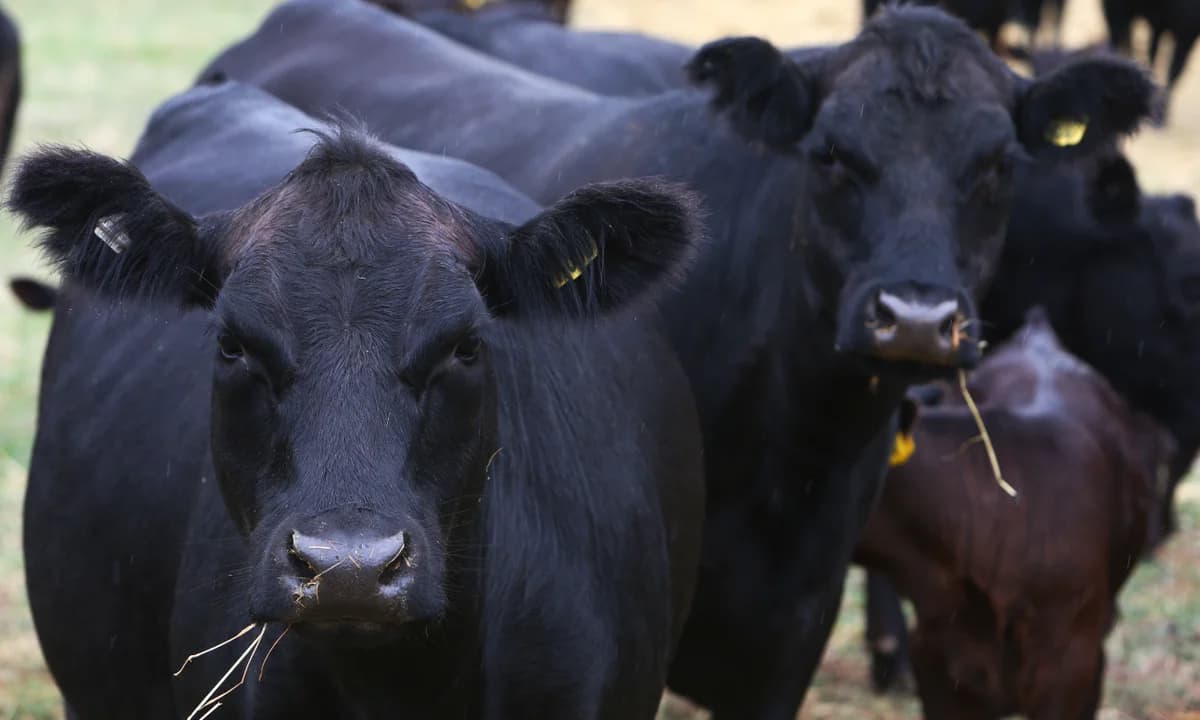
Despite continued growth in domestic meat production, the pace has slowed. In 2025, Uzbekistan produced 2.987 million tons of meat in live weight, an increase of just 1.5 percent year on year, compared with growth rates of around 3–4 percent in previous years.
At the same time, imports have expanded sharply. Customs Committee data show that Uzbekistan imported meat and meat products worth $869 million in 2025. Beef accounted for $661 million of this total, or nearly 157,000 tons. Compared with 2024, beef imports increased by 67 percent in volume and 80.5 percent in value. The average price of imported beef rose to $4.2 per kilogram, up from $3.9 a year earlier.
Imports of poultry meat increased by 6.3 percent in volume, while lamb imports rose nearly 2.5 times. Uzbekistan currently applies a zero customs duty rate on meat imports.
Structural factors behind rising prices
Experts point to a combination of long-standing structural factors driving meat price inflation. One key issue is the mismatch between livestock numbers and available pastureland. As pasture areas have been converted into cropland, farmers face growing constraints on expanding livestock herds, even where demand remains strong.