Uzbek citizens in the Middle East share concerns as regional conflict escalates
Uzbek citizens living or traveling in several Middle Eastern countries say the situation varies significantly across the region as the war between the United States, Israel, and Iran continues to intensify. While Qatar and the United Arab Emirates remain relatively calm, residents report heightened security measures, disrupted flights, and growing anxiety about potential escalation.
Kun.uz spoke with Uzbek nationals currently in Qatar, the United Arab Emirates, and Israel to learn how they are coping with the situation and whether they are able to return safely to Uzbekistan.
“No one can guarantee nothing will happen” – Qatar
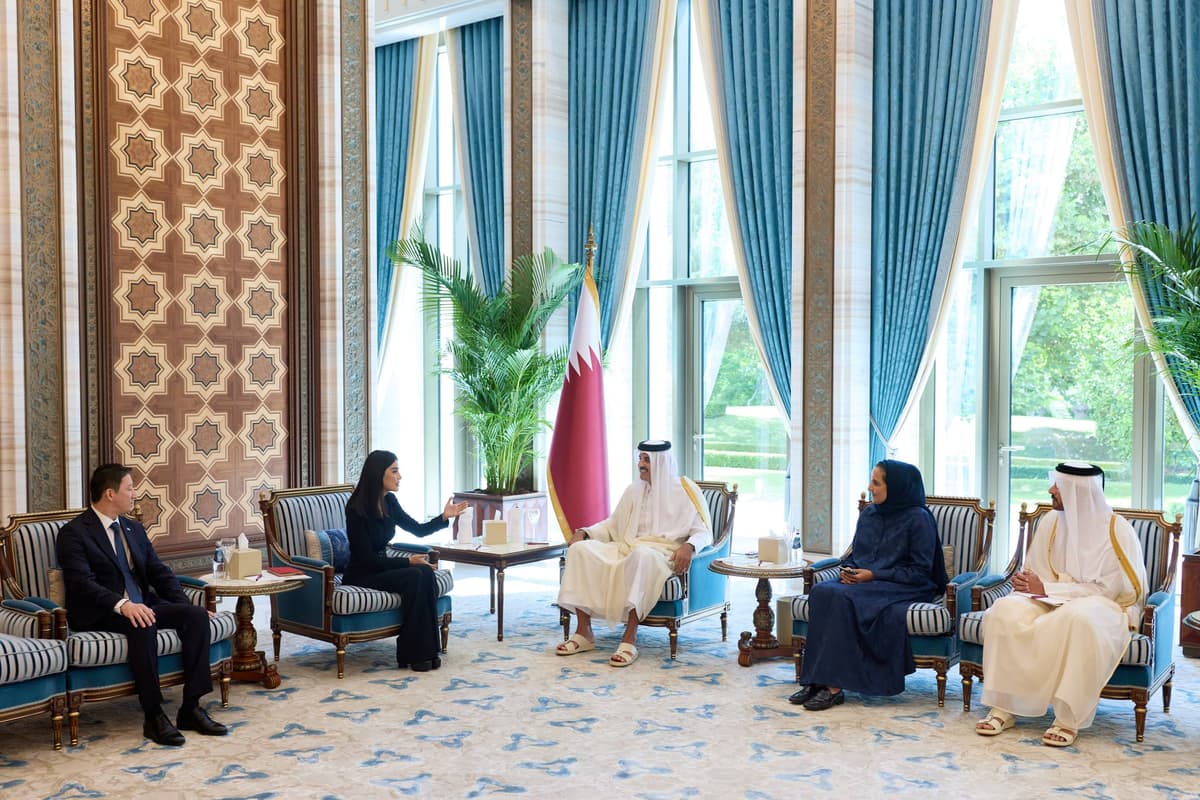
In Qatar, Uzbek residents say the country’s air defense system is functioning effectively, intercepting incoming missiles before they reach populated areas. So far, they report that residential districts have not been directly damaged.
However, many still fear that the conflict could escalate.
Akhrorbek Nematjonov, who has been working in the hospitality sector in Doha for the past eight months, said he now plans to return to Uzbekistan due to safety concerns.
“So far, nothing has happened to anyone here. But I personally do not feel safe anymore and want to return home. No one can guarantee that nothing will happen. We have seen missiles exploding in the sky,” he said.
Nematjonov noted that his workplace has implemented precautionary measures, including preparing basement areas with water supplies, tables, and emergency medical kits in case of an emergency.
At the same time, he said employees are waiting for updates from the Uzbek embassy regarding a possible evacuation.
Another Uzbek citizen in Doha, Ilyosbek Mukhiddinov, said the government regularly sends alerts advising residents and businesses to follow safety precautions.
According to him, many hotels and companies have adjusted their operations to reduce risks.
“We have prepared a basement parking area for guests with chairs, tables, and toys for children. Many hotel departments, such as accounting and human resources, have switched to remote work. Only one employee from each team works at a time,” he said.

Mukhiddinov added that educational institutions have moved to remote learning, museums are closed, and only grocery stores continue operating around the clock.
The Uzbek embassy has also created a Telegram group where citizens can register if they wish to be evacuated.
“If evacuation begins, I will return home. Later, when the situation improves, I may come back,” he said.
Calm atmosphere but strict information controls – Dubai
Uzbek residents in Dubai say the situation has stabilized after initial panic during the first days of the conflict.
Azizbek Ochilov said that despite missile interceptions in the region, everyday life in the city continues largely as normal.
“During the first two days there was some panic. Now people are going to work normally again. Air defense systems here are working very effectively. I do not think any missile or drone directly hit the city – only debris has fallen,” he said.
Ochilov also noted that many people in Uzbekistan appear more worried than those living in Dubai.
“Friends and family back home are more concerned after watching videos online. But here, people are relatively calm. The streets are busy and life continues as usual,” he said.
Another Uzbek resident who has lived in Dubai for several years, Husanboy Kimsanboyev, said the authorities introduced strict restrictions on filming and sharing videos after numerous misleading clips spread on social media.
According to him, some videos from other countries were falsely presented online as footage from Dubai or Israel.
He said the authorities warned that publishing such content online could lead to penalties of up to $30,000 and one year in prison.
Following the warning, the number of videos circulating online declined significantly.
Kimsanboyev added that public transport continues to operate normally and daily life in the city remains largely unchanged.
Earlier it was reported that flights on the Tashkent – Dubai – Tashkent route operated by Uzbekistan Airways, Centrum Air, and Qanot Sharq would gradually resume starting from March 4. However, some flights are still being delayed or canceled.
“We spent a day inside the reinforced room” – Israel
The situation in Israel remains far more tense.
Etibor Ahmedova, who moved to the city of Beersheba in October last year to be closer to her children studying in Turkey, described the panic that followed missile alerts on February 28.
“At 8:15 in the morning our phones suddenly started sending alerts telling everyone to move to reinforced rooms. Then missiles began exploding in the sky. It was extremely frightening,” she said.
Ahmedova explained that many modern residential buildings in Israel are equipped with reinforced rooms designed to protect residents during attacks.
“Once inside, you cannot hear what is happening outside. We spent an entire day inside that room to stay safe,” she said.
According to Ahmedova, emergency alerts are automatically sent to phones in multiple languages approximately three minutes before a potential impact, giving residents time to reach a protected shelter.
She added that several people have been killed or injured in the attacks, and many Uzbek residents have experienced severe stress.
“Some women who recently arrived were extremely frightened. Some developed health problems due to stress, while others fell into depression. More experienced residents try to support them through WhatsApp groups,” she said.
During the first days of the attacks, electricity was temporarily cut in some areas for several hours. Authorities also declared a four-day period during which residents were instructed not to leave their homes, with schools, hospitals, and public institutions temporarily closed.
Travelers stranded as flights are canceled
Kun.uz also received appeals from Uzbek citizens who traveled to cities such as Fujairah in the United Arab Emirates and Jeddah in Saudi Arabia shortly before the conflict escalated.
Many say they are now stranded after flights were canceled and claim that their tour operators are not covering additional accommodation costs.
Some travelers reported difficulties finding temporary lodging.
Meanwhile, the Celestyal cruise ship traveling across the Persian Gulf was halted in Qatar on February 28. According to passengers, nearly 100 Uzbek citizens are currently on board and are unable to leave without assistance from the embassy.
Conflict enters fifth day
The war launched by the United States and Israel against Iran on February 28 has now entered its fifth day. Iran’s retaliatory strikes have expanded the conflict beyond Israel, targeting United States military bases across several Middle Eastern countries.
According to available reports, the number of casualties has already exceeded one thousand. The conflict continues to escalate, and its outcome remains uncertain.
Related News
16:36
Uzbekistan continues evacuation of citizens from Middle East as regional airspace restrictions persist
12:03
UN experts condemn US and Israeli strikes on Iran as violations of international law
22:00 / 04.03.2026
Uzbekistan successfully repatriates over 5,000 citizens from Middle East amid regional crises
17:32 / 04.03.2026