Central Asia faces 40% surge in electricity demand by 2030, EDB report warns
The regional power sector requires urgent modernization as infrastructure degradation reaches 70% in some areas, while Uzbekistan emerges as a leader in rapid renewable energy adoption.
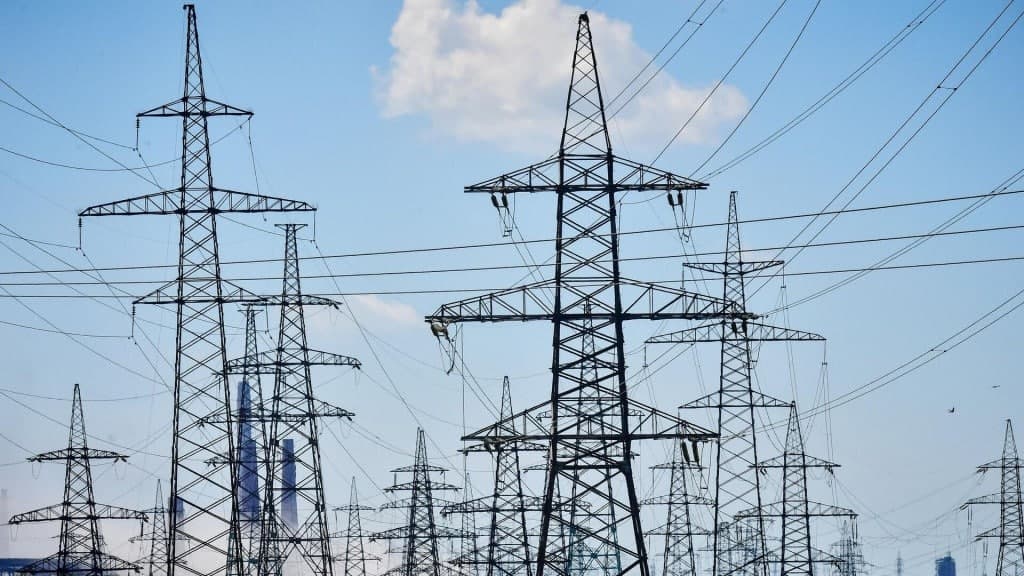
Photo: Getty Images
Central Asia’s energy landscape is on the brink of a massive transformation, driven by rapid population growth, industrialization, and a critical need to replace aging Soviet-era infrastructure. According to a comprehensive new report by the Eurasian Development Bank (EDB) titled "Power Sector of Central Asia: Modernization and Energy Transition," the region is currently grappling with a "trilemma" — the difficult balance between ensuring energy security, maintaining affordability for the public, and achieving environmental sustainability.
The EDB 2026 report highlights that the region, home to over 80 million people, is seeing electricity demand grow by 3–6% annually. By 2030, total consumption is projected to reach approximately 370 billion kWh, a 40% increase from current levels. Meeting this demand will require an estimated $1.4 trillion in total investment across the region to reach Net Zero targets by 2050.
A region divided by resources
The report details a "structural polarization" across Central Asian states. While Kyrgyzstan and Tajikistan rely on hydropower for over 90% of their electricity, the lower-basin countries – Kazakhstan, Uzbekistan, and Turkmenistan – remain heavily dependent on fossil fuels.
In Kazakhstan, coal generates 63% of electricity, while Turkmenistan relies almost entirely (99.9%) on gas. Uzbekistan follows a similar pattern, with coal and gas accounting for roughly 80% of its total generation as of early 2025. This heavy reliance on single sources makes national grids vulnerable to fuel shortages or extreme weather, as seen during Uzbekistan’s 2023 energy crisis when abnormal cold caused gas pressure to drop, leading to widespread blackouts.
The EDB warns that "inertia and structural barriers" have kept the region's generation mix virtually unchanged for 30 years. Furthermore, the physical state of the equipment is alarming, with up to 70% of power grids and thermal plants having reached the end of their service life.
Uzbekistan’s rapid transition
Despite starting its green energy journey later than some neighbors, Uzbekistan is now cited as a model for rapid growth in renewable energy (RE). In the first half of 2025, RE sources generated over 22% of Uzbekistan’s electricity, with solar and wind specifically accounting for approximately 12%.

The report notes that the first large-scale solar farms, built with foreign investment, are already operational, while major wind projects are under construction on the plateau near Nukus and in Jizzakh region. Despite this progress, Uzbekistan’s per capita electricity consumption remains low at 1,800 kWh per year – roughly half the global average – signaling that demand will continue to skyrocket as the economy modernizes.
To address future needs, the EDB suggests that Uzbekistan and Kazakhstan should begin preparations for nuclear power as a "mid-2030s prospect". Nuclear plants could provide the stable, carbon-free base-load energy needed to diversify a mix currently dominated by gas and coal.
The "middle path" strategy
The EDB proposes a "middle path" strategy for the region – a pragmatic approach that avoids both "green maximalism" and "conservative skepticism". This strategy focuses on:
- Modernizing existing assets: Upgrading traditional thermal and hydro plants to improve efficiency and reduce emissions.
- Flexible generation: Integrating Battery Energy Storage Systems (BESS) and Pumped Storage Hydroelectric projects to balance the variable nature of wind and solar power.
- Digitalization: Implementing smart meters and "Smart Grid" technologies (SCADA/EMS) to manage peaks and reduce technical losses.
- Regional integration: Restoring the coordination once provided by the Central Asian Unified Energy System to allow for seasonal energy exchanges.
Experts emphasize that the seasonal imbalance, where some countries face shortages in winter while having a surplus in summer, can only be solved through intergovernmental cooperation. The EDB concludes that such a transition, if balanced correctly, will not only ensure climate goals but also preserve social stability by keeping energy tariffs affordable for vulnerable populations.
Related News
08:18
Government plans to address declining gas extraction with new drilling and recovery strategies
17:10 / 23.03.2026
EDB forecasts Uzbekistan’s policy rate to drop to 13% by late 2026
17:55 / 18.03.2026
Namangan experiment linking tax debt to electricity payments won’t affect low-income households – Tax Committee
19:48 / 17.03.2026