





Additional features
-
Night mode

Construction firms face rating cuts for environmental violations under new decree
Uzbekistan is introducing a set of rigorous environmental requirements for the construction sector. These measures, outlined in a presidential decree dated March 14, are part of the "Toza Havo" (Clean Air) nationwide project and aim to mitigate the environmental impact of rapid urbanization.
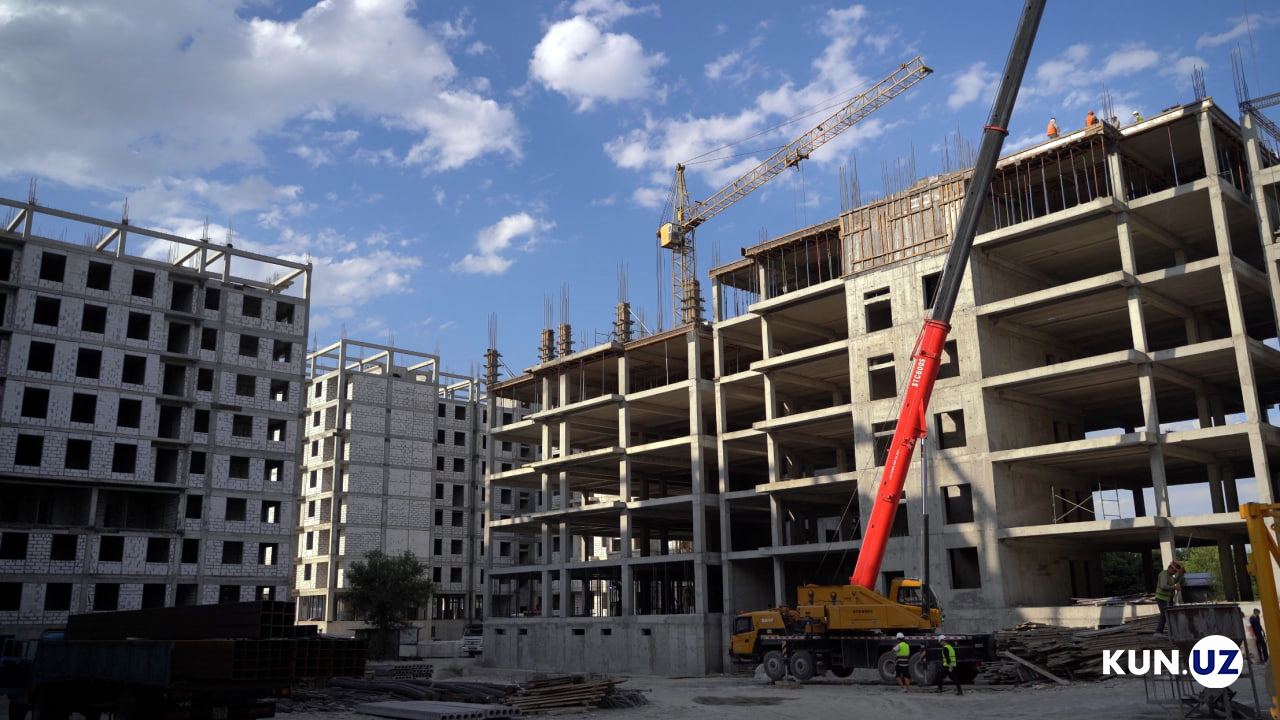
Starting June 1, all construction sites – with the exception of individual housing – must be equipped with background monitoring stations and online surveillance cameras. These systems are required to be integrated into the unified geoinformation database of the Ministry of Ecology, Environmental Protection, and Climate Change. This integration will allow authorities to conduct real-time monitoring of dust levels and operational compliance at exit points and throughout the construction area.
The decree introduces a direct accountability mechanism for construction organizations. Any environmental violations recorded at a site will lead to a reduction in the company's rating within the "Shaffof Qurilish" (Transparent Construction) national information system. Such downgrades could significantly affect a firm’s ability to secure future contracts.
Furthermore, the process for approving project documentation is becoming more stringent. It is now mandatory to provide an ecological expertise conclusion during the examination of design, estimate, and urban planning documents. A critical new requirement in this process is the mandatory consideration of "wind rose" corridors. Any project or regional master plan that fails to account for these natural air corridors will not pass the expert review, ensuring that new buildings do not inadvertently block urban air circulation.
The government is also setting specific spatial standards for new developments. For any building or structure with a height exceeding 12 meters or a total area of more than 500 square meters, at least 30% of the allocated land plot must be dedicated to green spaces. This includes the mandatory planting of trees, shrubs, and other vegetation to improve the microclimate of the surrounding area.
In addition to urban regulations, the decree addresses the restoration of water fund lands. The rehabilitation and reclamation of riverbeds and streams damaged by illegal sand and gravel extraction must now be funded entirely by the violators. This "polluter pays" principle is intended to deter illegal mining and ensure the environmental recovery of damaged ecosystems.
The presidential decree also tasks regional administrations with improving organic waste management. By December 1, 2026, each region must establish a system on an area of at least one hectare for the collection and biological decomposition of fallen leaves. The resulting compost and mulch will be used for urban landscaping, creating a circular system for managing natural debris.

Related News
11:57 / 17.07.2026
Housing prices in Uzbekistan rise 4% year-on-year

18:55 / 16.07.2026
Government tightens urban planning regulations with mandatory master plan registry
13:40 / 16.07.2026
Tashkent to create 58,000-hectare green belt by 2045

11:46 / 16.07.2026