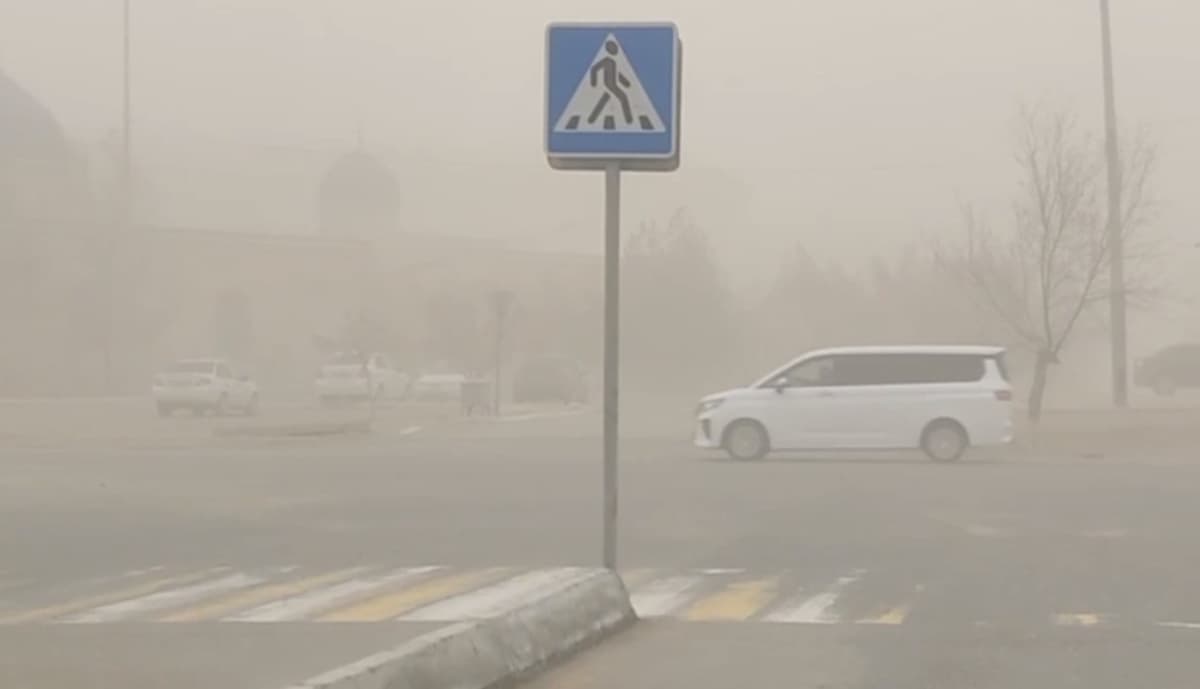
According to the decree, relevant authorities have been tasked with developing a formal protocol within one month. A central feature of this plan is a rapid notification system that will alert the population via SMS messages, mass media, and digital platforms as soon as air quality reaches hazardous levels. These alerts will provide official data on risk levels and offer specific protective measures for the public.
The new regulations will prioritize the safety of high-risk groups, including children, the elderly, and individuals with chronic respiratory or cardiovascular conditions. In instances of extreme pollution, the government will issue formal recommendations for these citizens to remain indoors. Furthermore, educational institutions will be required to cancel outdoor activities, and public mass events may be restricted.
Significantly, the decree allows for flexible adjustments to the national labor framework. Depending on the severity of the air quality, state organizations may be required to alter their work schedules or transition employees to a remote work format. This measure aims to reduce the exposure of the workforce to harmful pollutants while simultaneously decreasing the number of vehicles on the road during environmental crises.
The action plan extends beyond public behavior to include strict operational controls for the industrial, energy, and construction sectors. During peak pollution periods, authorities will implement measures such as the temporary reduction or complete suspension of emissions at industrial plants. The use of fuel oil (mazut) at energy enterprises will also be restricted, except in cases of extreme temperature emergencies.
Construction activities will face limitations, and efforts to suppress dust, such as road sprinkling and the operation of urban fountains, will be intensified. To support these measures legally, a draft regulatory document establishing the organizational and legal mechanisms for air quality management is expected to be submitted by December 30, 2026.
The government is also focusing on the scientific correlation between air quality and public health. By November 1, 2026, researchers are expected to complete a study on the links between atmospheric pollution and the prevalence of respiratory, cardiovascular, and allergic diseases. This research will lead to the creation of health risk indicators that will be integrated directly into the national healthcare system.
Additionally, a new system for limiting emissions in highly polluted areas will be introduced. This includes developing methodologies to determine the permissible anthropogenic load for specific regions and establishing total emission quotas. A draft law regarding the implementation of this emission restriction system is scheduled for introduction by December 1, 2026, ensuring that Uzbekistan has a robust legal framework to manage its atmospheric environment in the years to come.