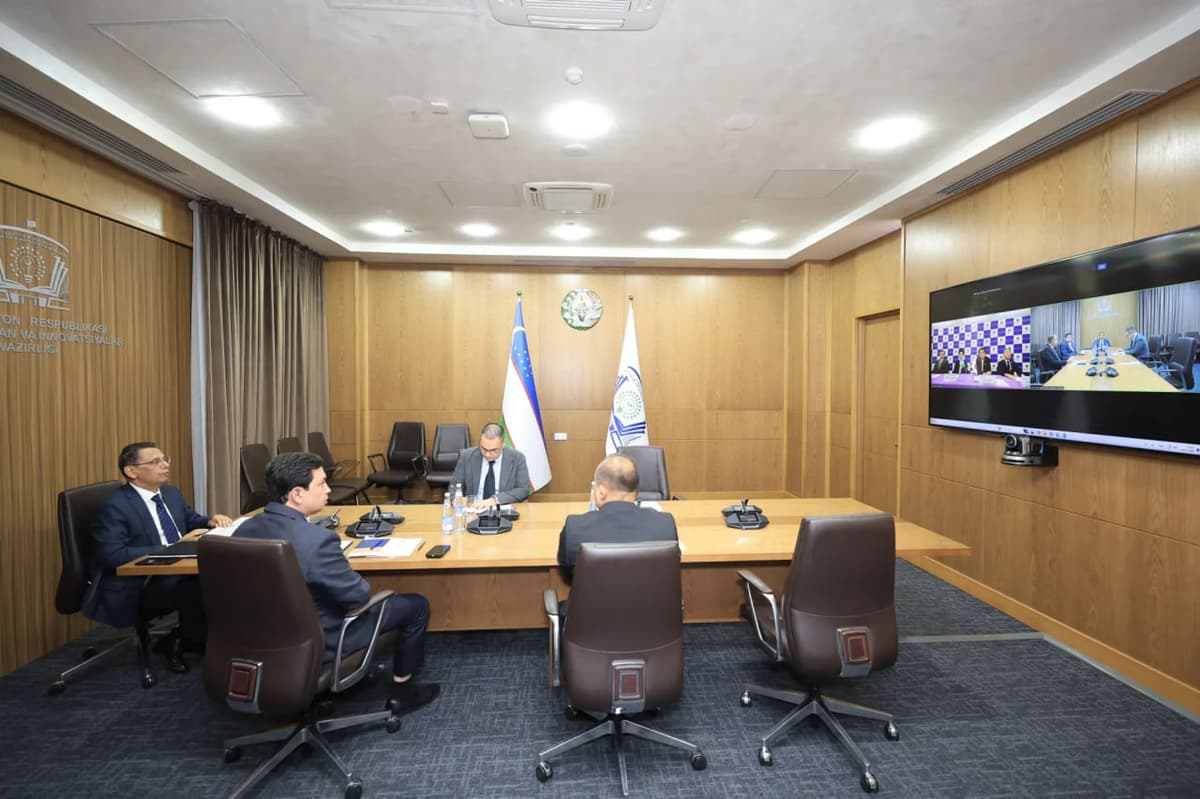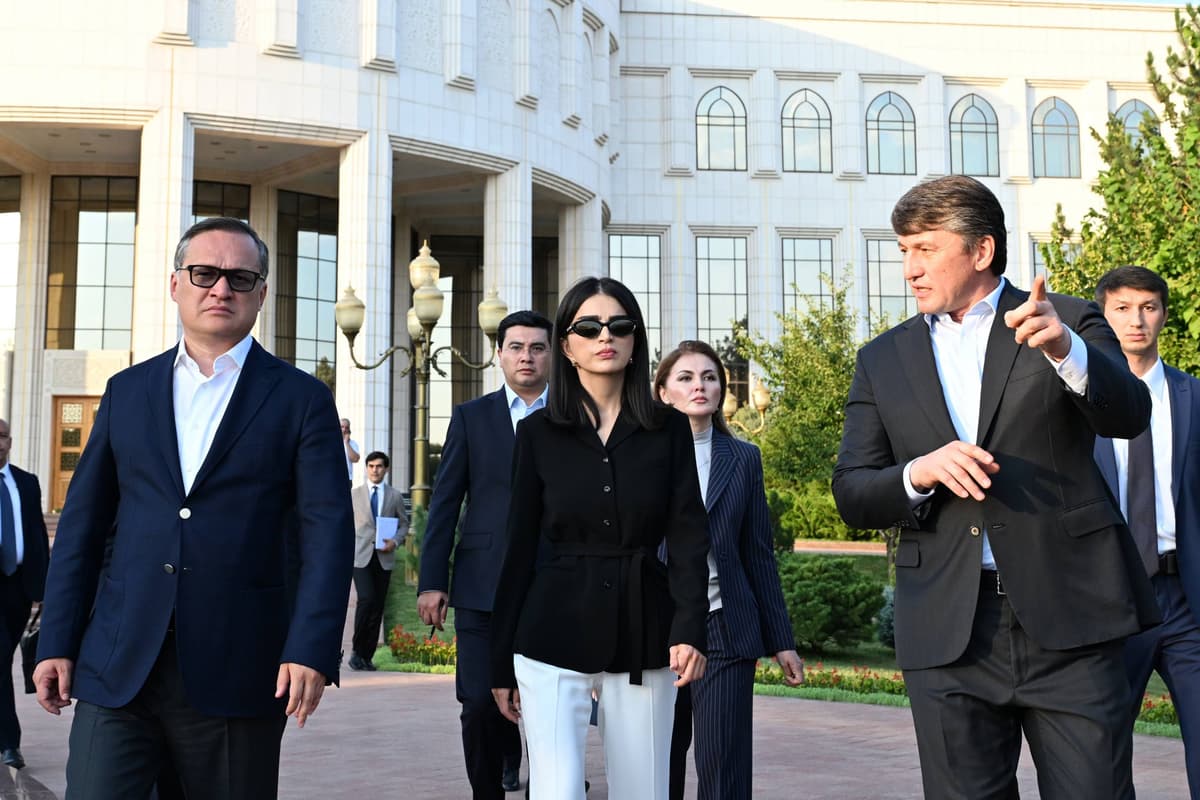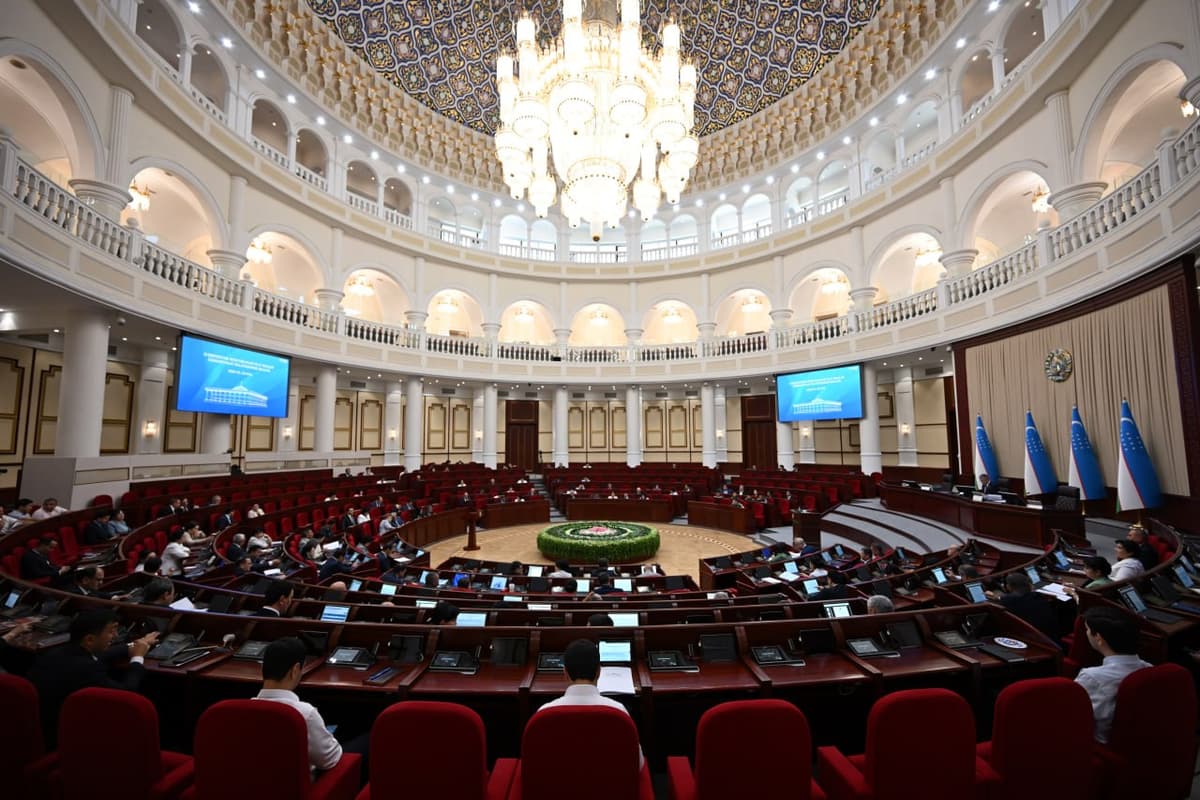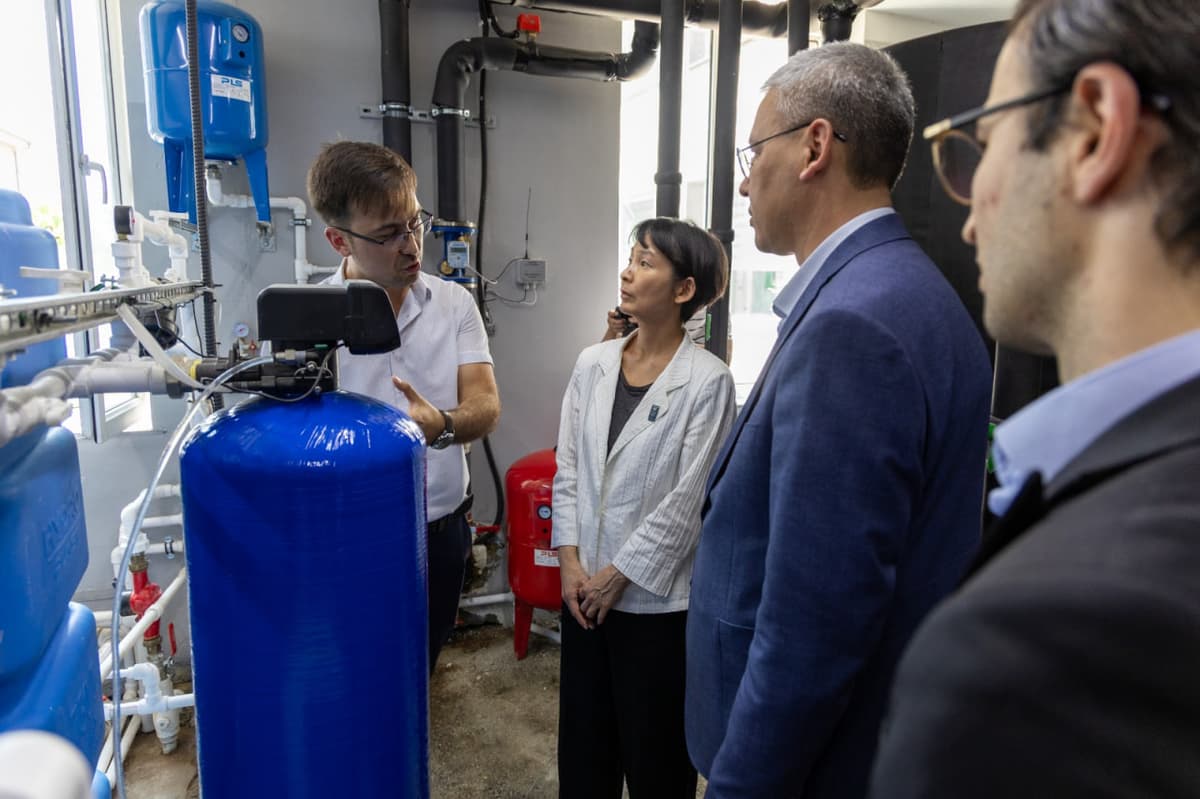
The pilot sites, located in the Syrdarya and Tashkent regions, were commissioned and transferred to local authorities to demonstrate the impact of modern green technologies. The project introduced propane-based heat pumps, advanced air-conditioning systems, and other energy-saving solutions in public facilities. These upgrades replaced outdated infrastructure and are estimated to reduce greenhouse gas emissions by 482 tonnes annually.
According to the UNDP, the energy upgrades have yielded substantial results. At a family polyclinic serving 12,000 residents, energy consumption was halved while efficiency improved nearly fourfold. In preschool facilities accommodating 580 children, cooling-related energy use dropped by 15%, and hot water consumption was reduced by more than 3.5 times. Furthermore, the modernization of School No. 29 is expected to cut energy use by 56%, elevating the building’s energy efficiency rating from “D” to “A”.
“These sites were selected to demonstrate practical solutions that can be scaled nationwide,” stated Umid Abidhadjaev during the handover ceremony. Overall, the initiative is expected to save approximately $20,000 annually and eliminate the need for 175 tonnes of coal.
Launched in March 2025 with $1 million in financing, the project focuses on three strategic areas: advancing international cooperation under the Paris Agreement, implementing pilot energy–efficiency measures, and building institutional capacity for inclusive decarbonization. Under the Joint Crediting Mechanism (JCM) with Japan, Uzbekistan is developing frameworks to attract investment and transfer technology to meet its Nationally Determined Contribution (NDC) targets.
To ensure the sustainability of these efforts, the UNDP has trained at least 40 stakeholders on “just transition” principles and project impact documentation. This training aims to provide local experts with the necessary skills to scale up climate-friendly solutions across the republic.