





Additional features
-
Night mode

UZS maintains stability in March despite global market shifts
The UZS concluded the month of March with a slight depreciation of 0.3% against the US dollar. According to market data, the average daily fluctuation of the exchange rate stood at 0.18%, marking the lowest level of volatility since the expansion of the currency corridor in May 2025.
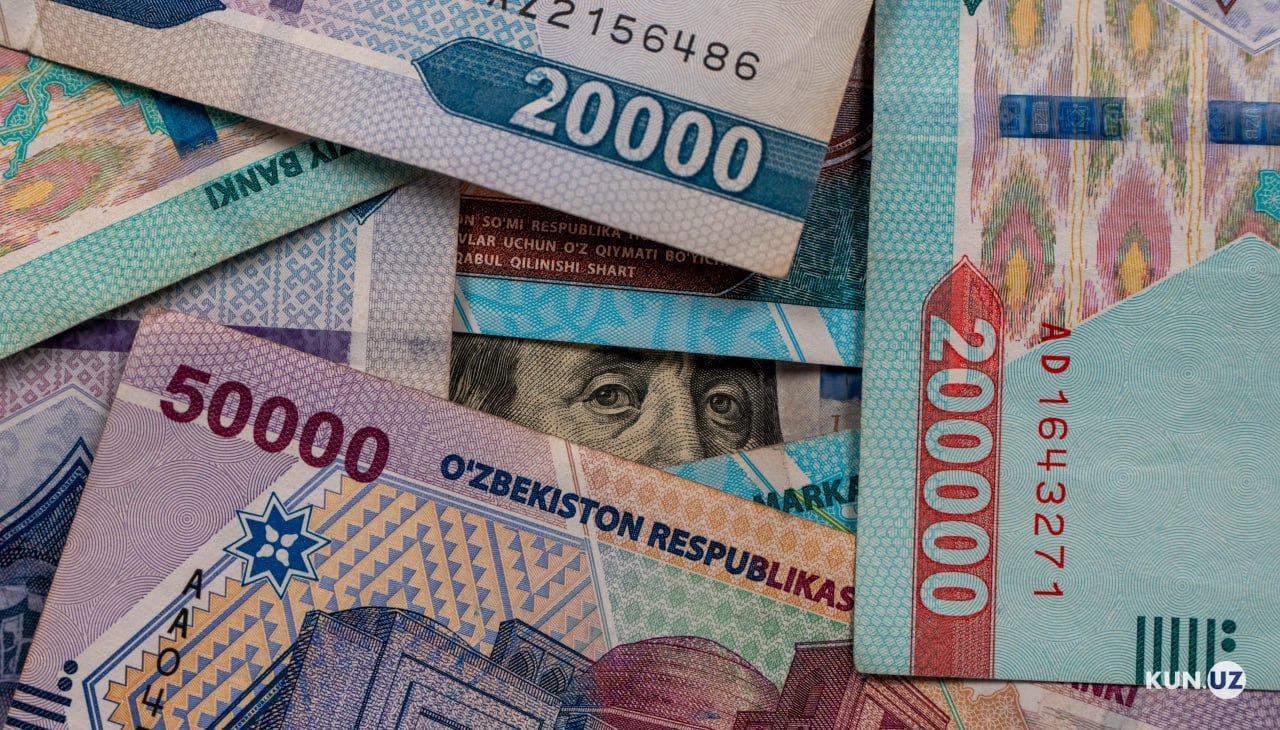
Throughout March, the official exchange rate of the dollar to the UZS rose by 38.53 UZS, moving from UZS 12,172.18 to UZS 12,210.13. Out of 19 trading sessions during the month, the US dollar strengthened against the national currency in 12 sessions, while the UZS gained ground in the remaining seven. The monthly minimum value for the dollar was recorded on March 16 at UZS 12,081.63, while it reached its monthly peak of UZS 12,210.71 by March 31.
Retail banking rates followed a similar trajectory. At the end of February, commercial banks were purchasing dollars at UZS 12,080 and selling to the public starting from UZS 12,130. By March 30, these rates had adjusted to a purchase price of UZS 12,150 and a selling price starting from UZS 12,200.
Global context and expert insights
Economist Mirkomil Kholboyev notes that increased uncertainty in the global economy, triggered by geopolitical tensions involving Iran in late February, has significantly impacted currency markets. These events led American investors to reduce foreign investments and seek safety in US securities, which acted as a "financial safe haven," subsequently strengthening the dollar against most global currencies.
Among 39 selected currencies tracked during March, only the Kazakh tenge managed to strengthen against the dollar, gaining 3% in value. Experts attribute the tenge’s performance to the sharp rise in oil prices following the conflict in the Middle East. In contrast, the UZS remained one of the least depreciated currencies during this period.
Comparative performance
The UZS's 0.3% decline appears modest when compared to major international and regional currencies. During the same period, the Swiss franc lost 2.9% of its value, the Japanese yen fell by 2%, the Euro dropped by 1.6%, and the British pound declined by 1%.
The Russian ruble experienced a significant 5.1% depreciation despite high oil prices. This decline is linked to the suspension of foreign currency sales from Russia's National Wealth Fund and a continued "softening" of monetary policy.
Kholboyev further highlighted that while the depreciation in March 2026 was slightly higher than the figures recorded in March 2025, it remains significantly lower than the levels observed between 2022 and 2024.

Related News

16:53 / 26.06.2026
Uzbekistan and US accelerate negotiations for comprehensive trade pact

12:33 / 26.06.2026
What Uzbekistan's improved credit rating means for business and employment

17:50 / 25.06.2026
Moody’s upgrades Uzbekistan’s credit rating to Ba2 citing structural economic reforms
16:57 / 25.06.2026