According to the presidential press service, approximately 1.2 million Uzbeks are currently employed in nearly 40 countries. With a rising demand for skilled labor in Europe and East Asia, the government is prioritizing the expansion of migration geography toward high-income markets.
The European Commission’s migration strategy through 2030 places a significant focus on Central Asia, and Uzbekistan has already received international orders for over 100,000 specialists who meet specific linguistic and professional requirements. Notable demand includes Germany’s need for 40,000 nurses and Japan’s requirement for 15,000 specialists in construction, logistics, and service sectors.
To meet these demands, Uzbekistan is leveraging vocational training programs based in technical colleges, launched in partnership with German, South Korean, and Japanese firms. Currently, 8,500 individuals are enrolled in 12 projects under the "profession plus language" model, with 3,000 graduates already placed in international positions. The government plans to expand the number of these joint projects to 20, with a goal of increasing the scale of training by 50% to reach a total of 10,000 people.
A key development in this strategy is the planned creation of a targeted training center in Tashkent. This facility will provide conditions for learning 12 in-demand professions and seven foreign languages, while also serving as a venue for six types of international certification exams. The center will include a campus with a capacity for 600 residents. Additionally, medical colleges will organize courses to prepare staff for international language and professional exams, and specialized centers for construction workers, such as welders, concrete workers, and rebar workers, will be expanded.
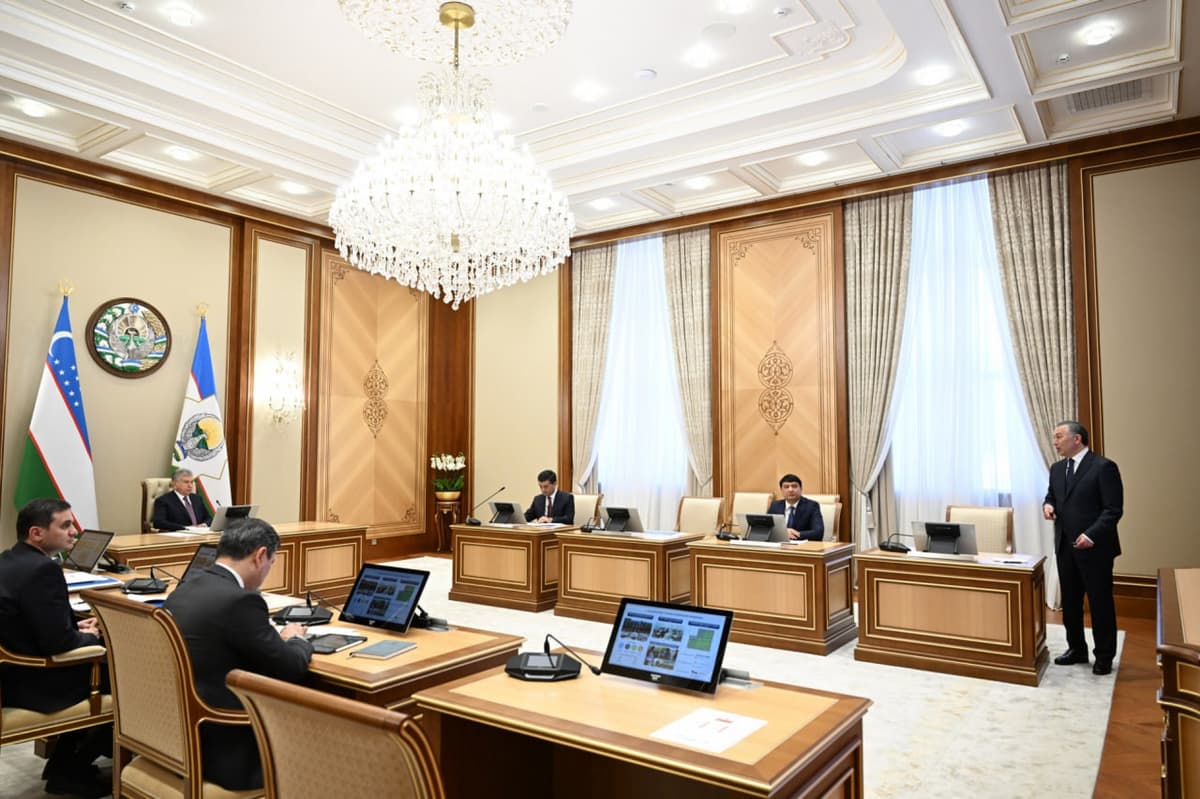
The president also discussed new financial mechanisms to support orderly migration. Under the proposed measures, the state would compensate labor migrants for 50% of the costs associated with learning foreign languages and 100% of the expenses for taking qualification exams. Crucially, these funds will be provided directly to the citizens rather than to training centers. Furthermore, the meeting addressed a new procedure for incentivizing employers and recruiting agencies for every worker successfully placed abroad.
Unified migration centers and regional hubs for driving instruction are also expected to be established across the country to streamline the preparation process for those seeking employment overseas.