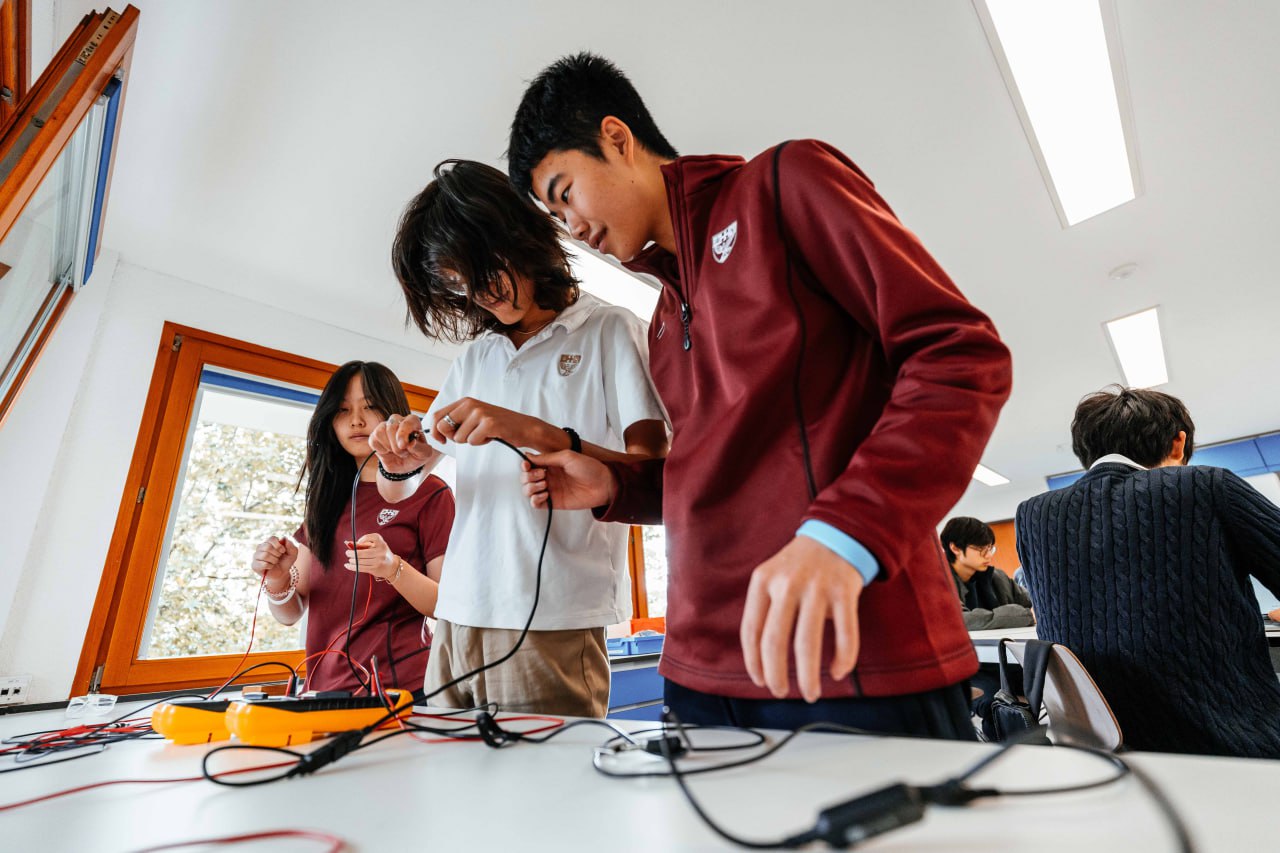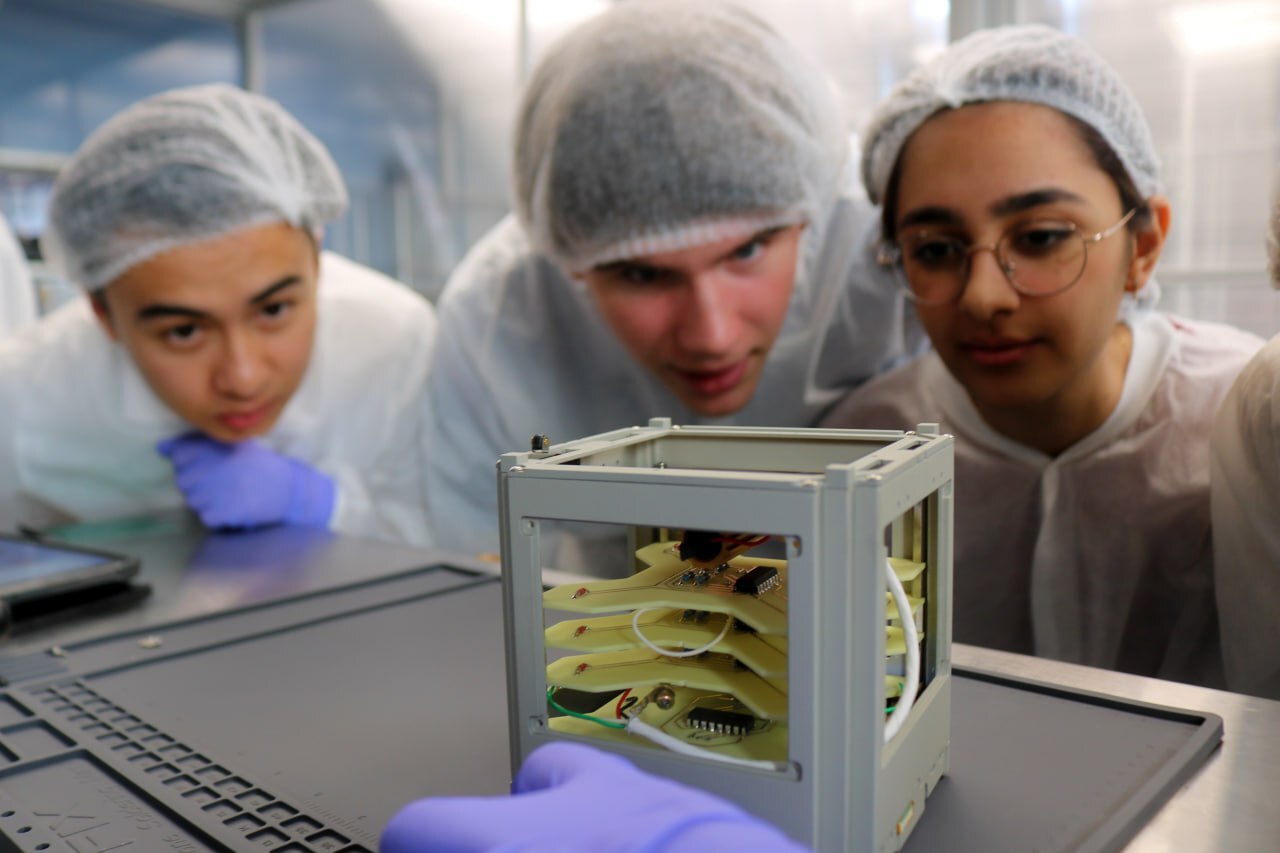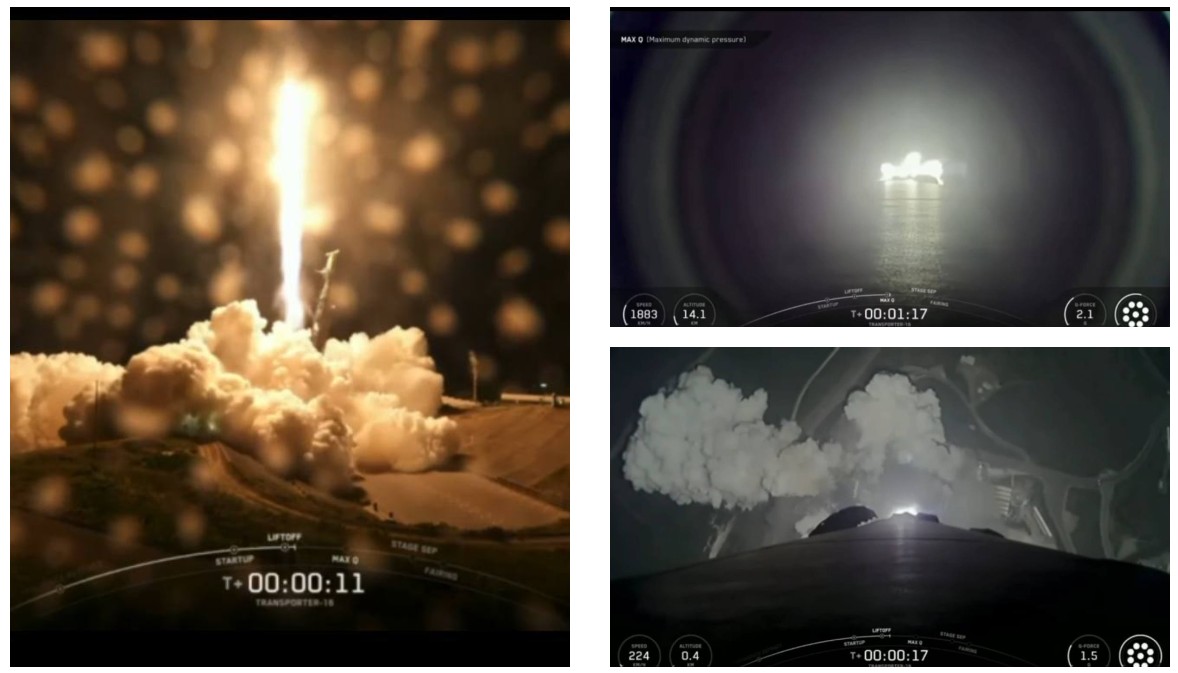
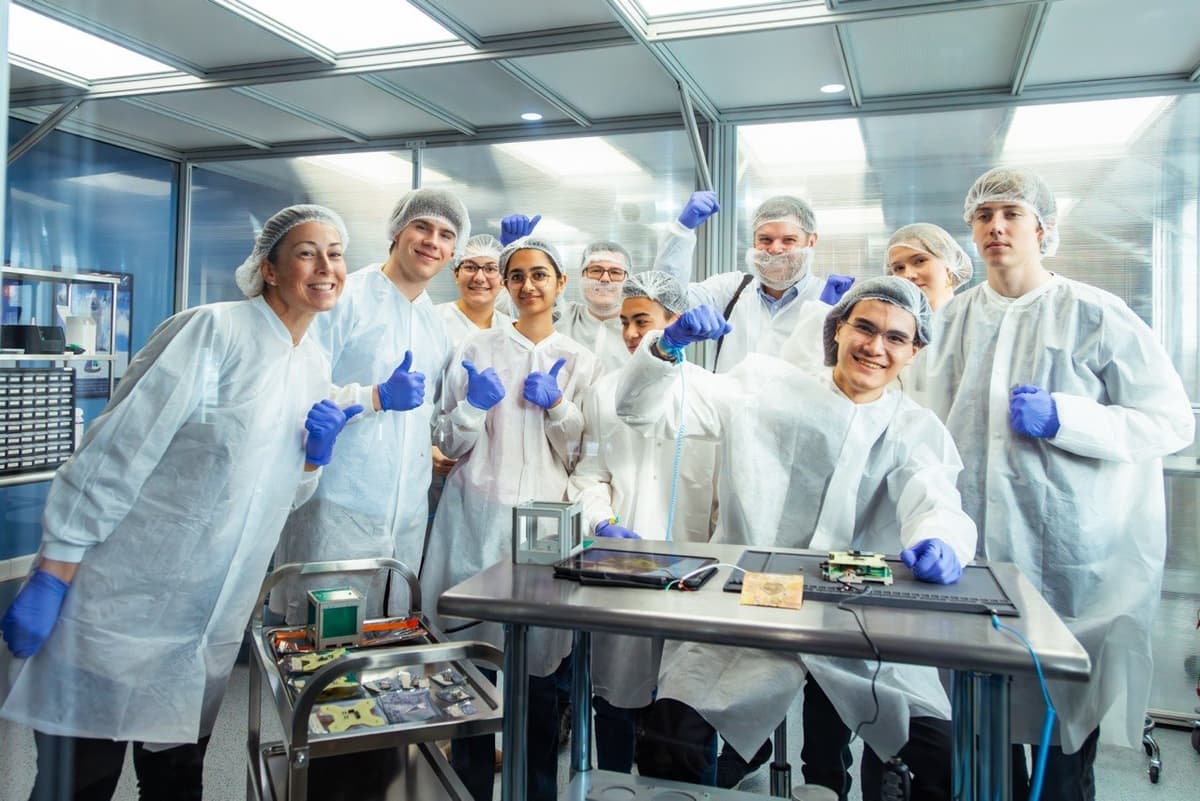
Mahkamov, a 10th-grade student at Aiglon College in Switzerland, spent two years working alongside a team of more than 10 students to design and prepare the satellite. The spacecraft, which features the inscription “Akbar Mahkamov (Uzbekistan)” on its casing, was delivered into orbit via a launch vehicle provided by the partnering space organizations.
In an interview with Kun.uz, Mahkamov explained that he led one of the two primary teams involved in the project. His group focused on the rigorous mathematical requirements of the mission, specifically orbital trajectory calculations and the analysis of thermal and dynamic loads.
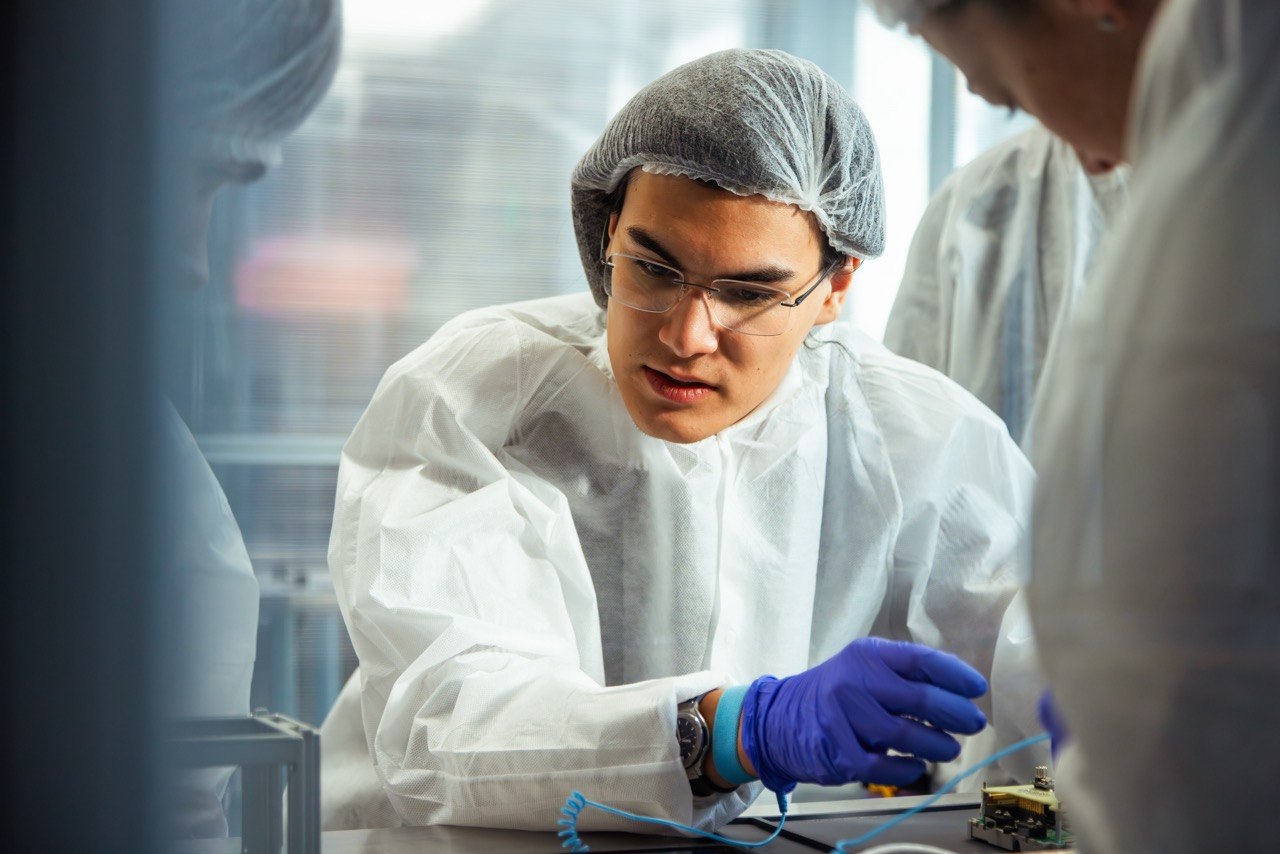
"We successfully launched a satellite into Earth orbit. The work required in-depth mathematical and physical analysis, along with testing in specialized laboratories where launch and flight conditions are simulated," he said. While his team handled the physics and mechanics, a second team managed the programming to ensure the satellite’s onboard systems functioned correctly.
Mahkamov was invited to join the prestigious project at the age of 15, a selection he attributes to his early aptitude for mathematics and physics.
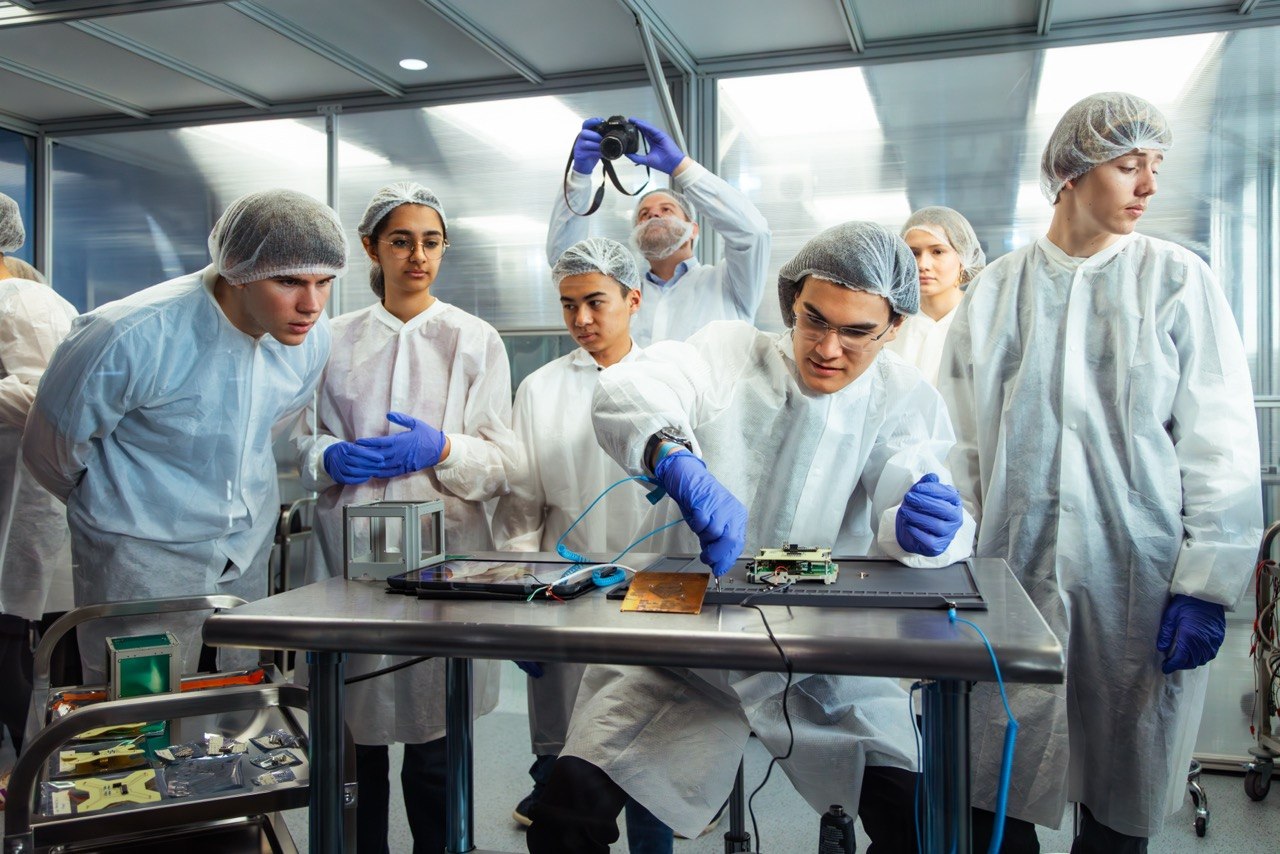
Testing and engineering challenges
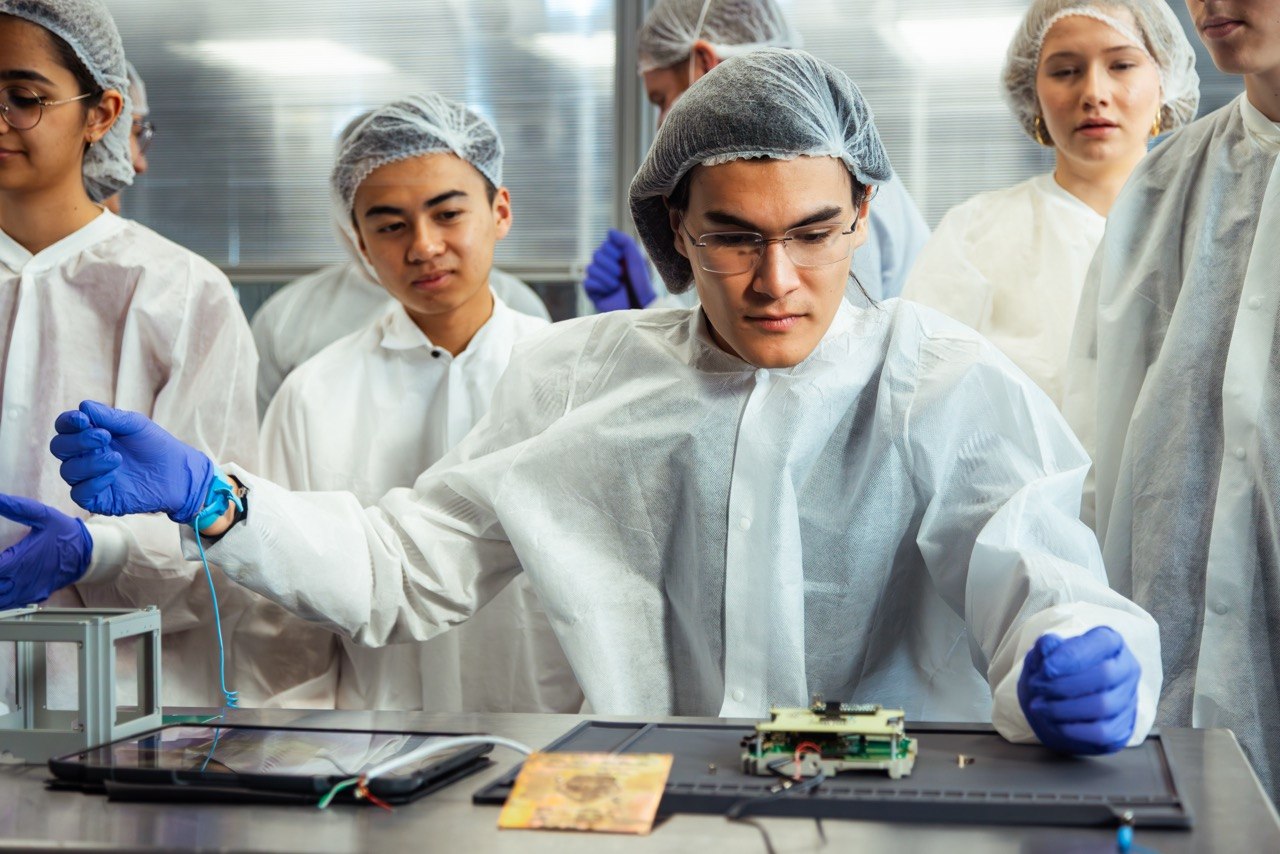
The project required all components to meet strict "space-grade" industry standards. Assembly took place in a sterile cleanroom environment in cooperation with Near Space Launch (NSL), a company specializing in CubeSat projects.
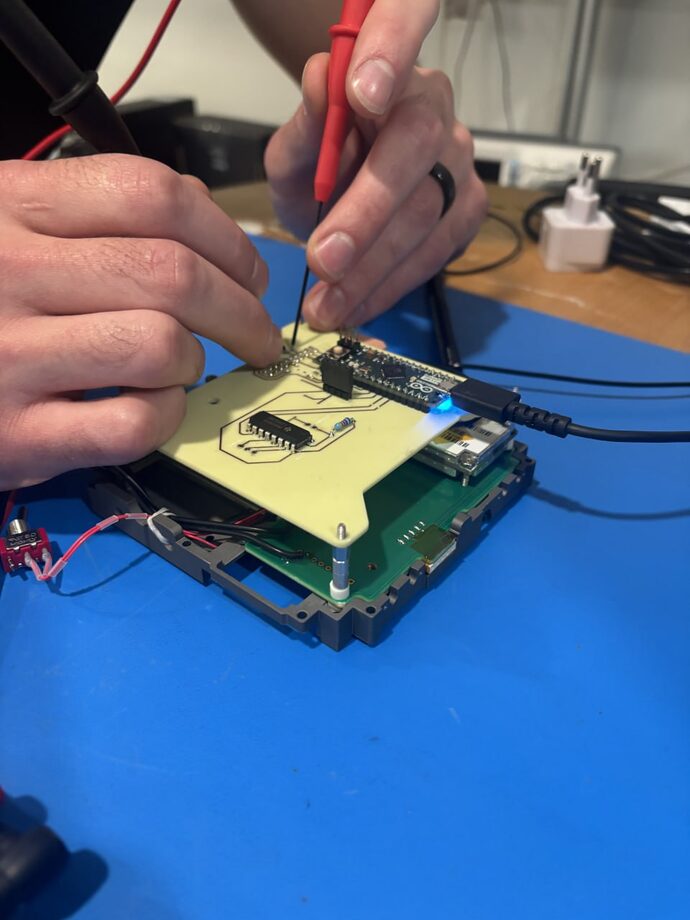
The satellite underwent exhaustive hardware trials, including simulations of extreme temperatures, vibration, and acceleration. One of the primary engineering hurdles was the satellite’s extremely limited power budget. With only 15 watts available, Mahkamov had to develop a program to analyze battery performance and optimize energy distribution between various onboard systems.

"To maximize efficiency, I analyzed battery performance across different configurations," he explained. "In the end, we chose a simpler design, as more complex systems led to greater energy losses." His work also included the strategic placement of thermal sensors and the onboard computer to prevent data loss while maintaining low energy consumption.