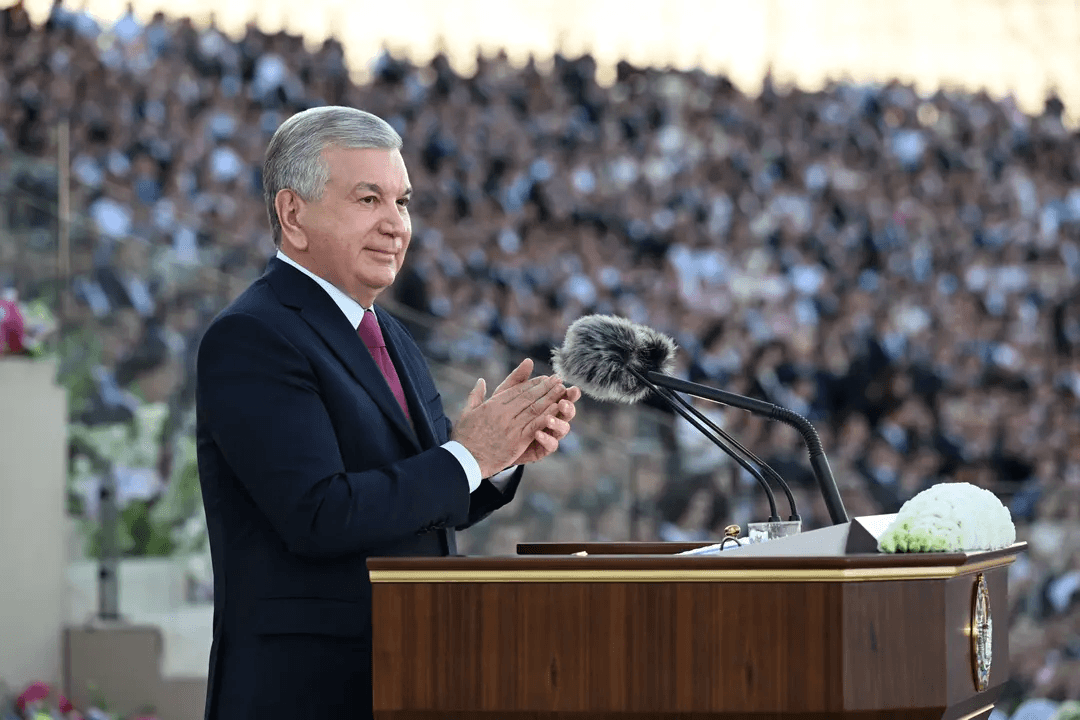

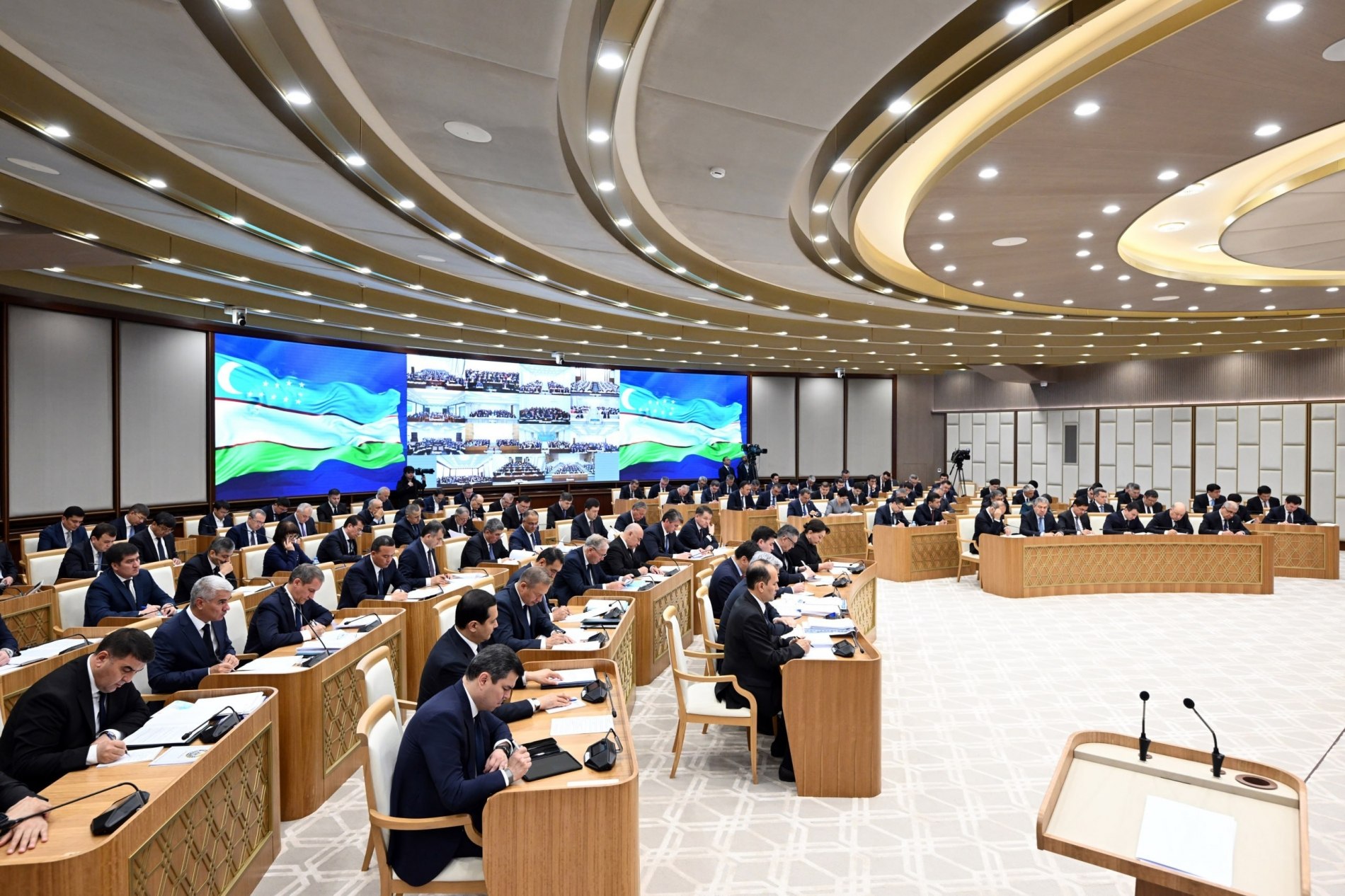
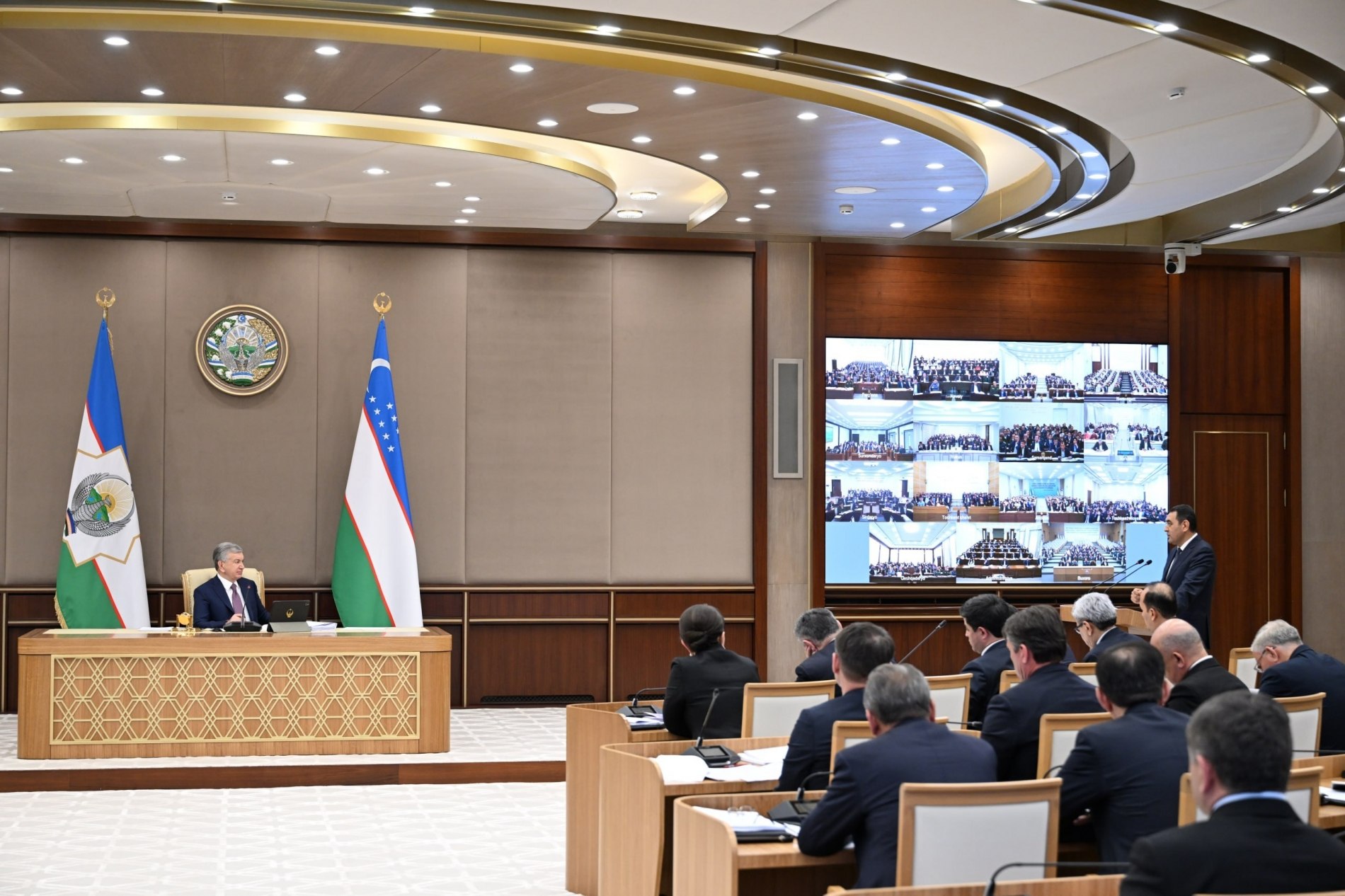
During a meeting on April 24 dedicated to analyzing economic growth in the first quarter of 2026, the president criticized the underperformance of several regions and industries, calling for a radical shift toward efficiency and modern management.
The president expressed concern over the industrial performance of 13 districts that failed to meet their quarterly forecasts. These include Sergeli and Shaykhantakhur in Tashkent; Kamashi, Karshi, and Mirishkor in Kashkadarya; Arnasay, Sharof Rashidov, and Yangiabad in Jizzakh; Navbakhor in Navoi; Kasansay in Namangan; Kumkurgan in Surkhandarya; Furkat in Fergana; and Shavat in Khorezm. In response to these lags, the president ordered disciplinary measures against the governors of these districts, proportional to the extent of their shortfall.
A primary point of contention was the electrical engineering industry. Despite an increase in copper production, monthly processing remains stalled at 6,000 tons. Consequently, production in the sector grew by only 7.8% in the first quarter – well below the 11.2% target – while the export forecast was met by only 57%. To rectify this, officials have been instructed to visit struggling enterprises to resolve financing and investment issues on-site. The government aims to bring total production in the sector to UZS 25 trillion by the end of June.
Labor productivity was also identified as a critical priority. While approximately 50 local companies have begun adopting international practices such as "lean manufacturing" and "kaizen," the president noted that this is insufficient. He questioned why major industry associations in textiles, furniture, and construction materials are not more proactive in popularizing these methods. The Ministry of Economy and Finance has now been tasked with implementing efficiency programs at an additional 100 enterprises, supported by $30 million in newly attracted grants.
The export landscape remains challenging. While 908 entrepreneurs have signed contracts worth $3.6 billion over the past six months, many have been unable to commence shipments due to shifting conditions among foreign partners. Exports fell by more than half in the Narryn, Kasbi, Sherabad, Yazyavan, and Denau districts. Furthermore, cities and districts including Jizzakh, Navoi, Namangan, Angren, Bekabad, Nurafshan, Shakhrisabz, Uchkuduk, Parkent, and Tashkent achieved less than 70% of their projected targets.