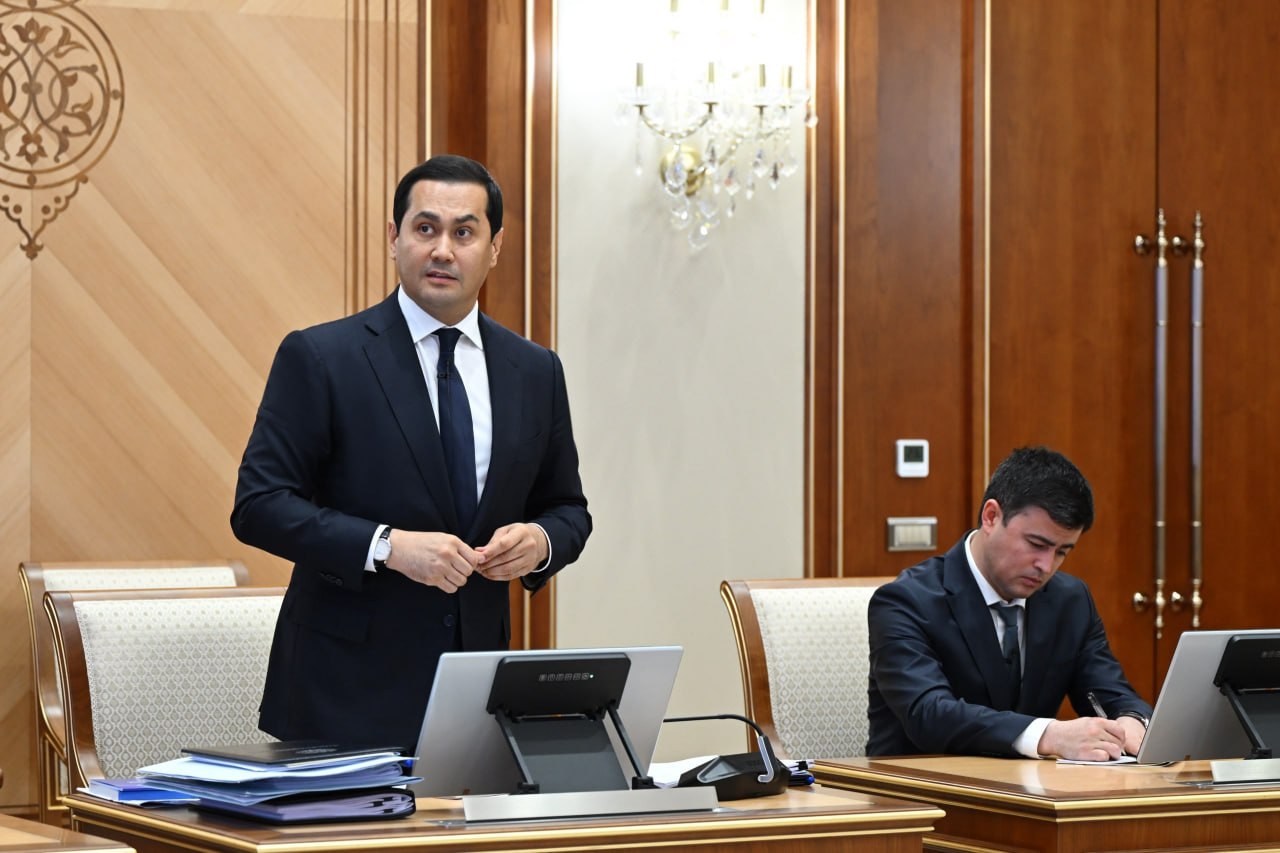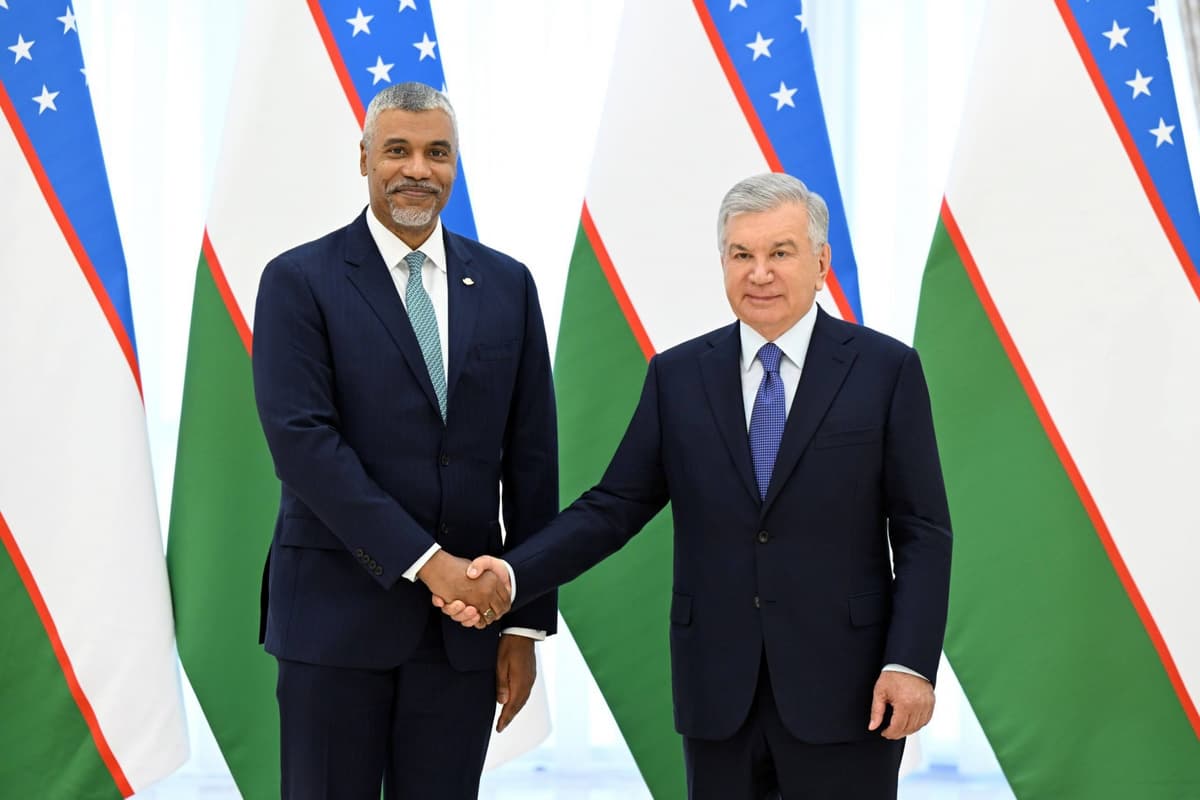
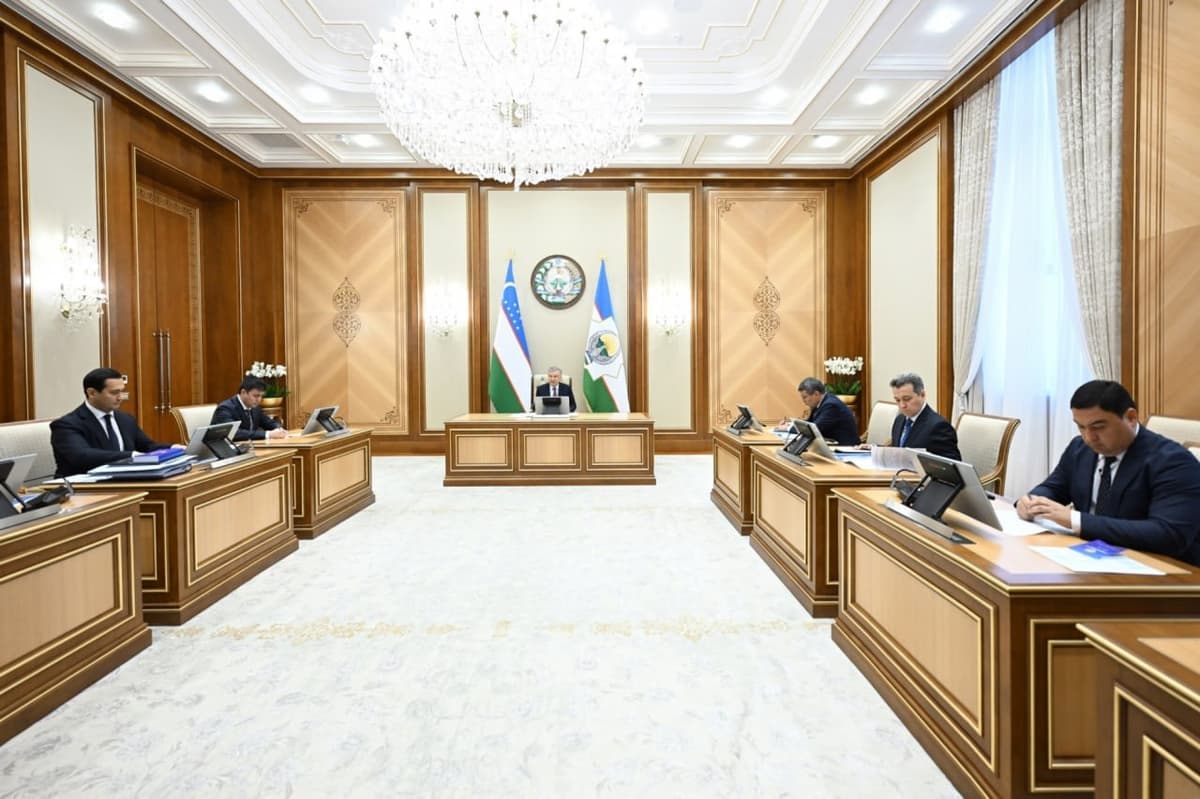
The proposed reforms will introduce the "zero bureaucracy" principle across 783 different types of public services. Under this plan, 550 services will transition to a fully electronic format, effectively halving the number of administrative steps required. Furthermore, 80 services will be reorganized into proactive and composite formats, meaning the state will anticipate the needs of citizens rather than waiting for formal applications. These changes are expected to save the population approximately UZS 35 billion annually in travel costs alone.
Efficiency improvements will also target the processing times for 80 specific services, which are set to decrease from an average of 13 days down to just six. Ten services will be entirely automated, while a reduction in fees for 25 types of services is projected to leave UZS 851 billion per year in the hands of citizens.
Digital transformation remains a core pillar of the plan, with 15 types of certificates and documents scheduled for digitization. This will eliminate the redundant request for information in more than 270 different service categories. Additionally, ten services will be outsourced to the private sector to improve delivery quality.
The reforms extend to the business environment, where mandatory requirements are being systematically reviewed. For instance, more than 500 disparate requirements currently applied to market activities will be streamlined, leading to an optimization of over 30% of these regulations.
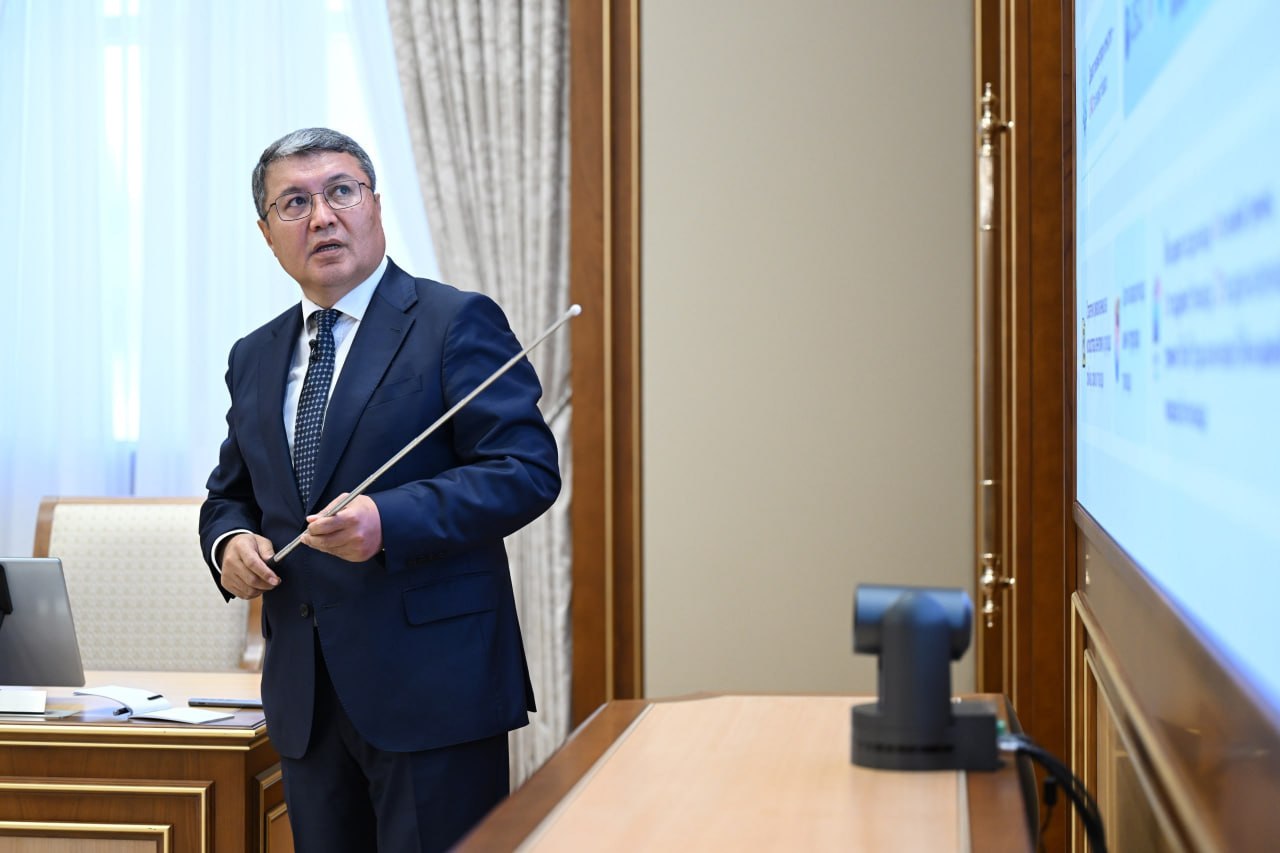
Economic forecasts suggest that reducing the administrative burden will provide a direct annual boost of $1.5 billion to the national economy. Improved regulatory quality is expected to attract an additional $800 million in foreign investment, while simplified state–business interactions could increase labor productivity by $750 million each year. Overall, the reduction of bureaucracy is projected to expand the country's economy by a total of $13 billion during the 2026–2030 period.
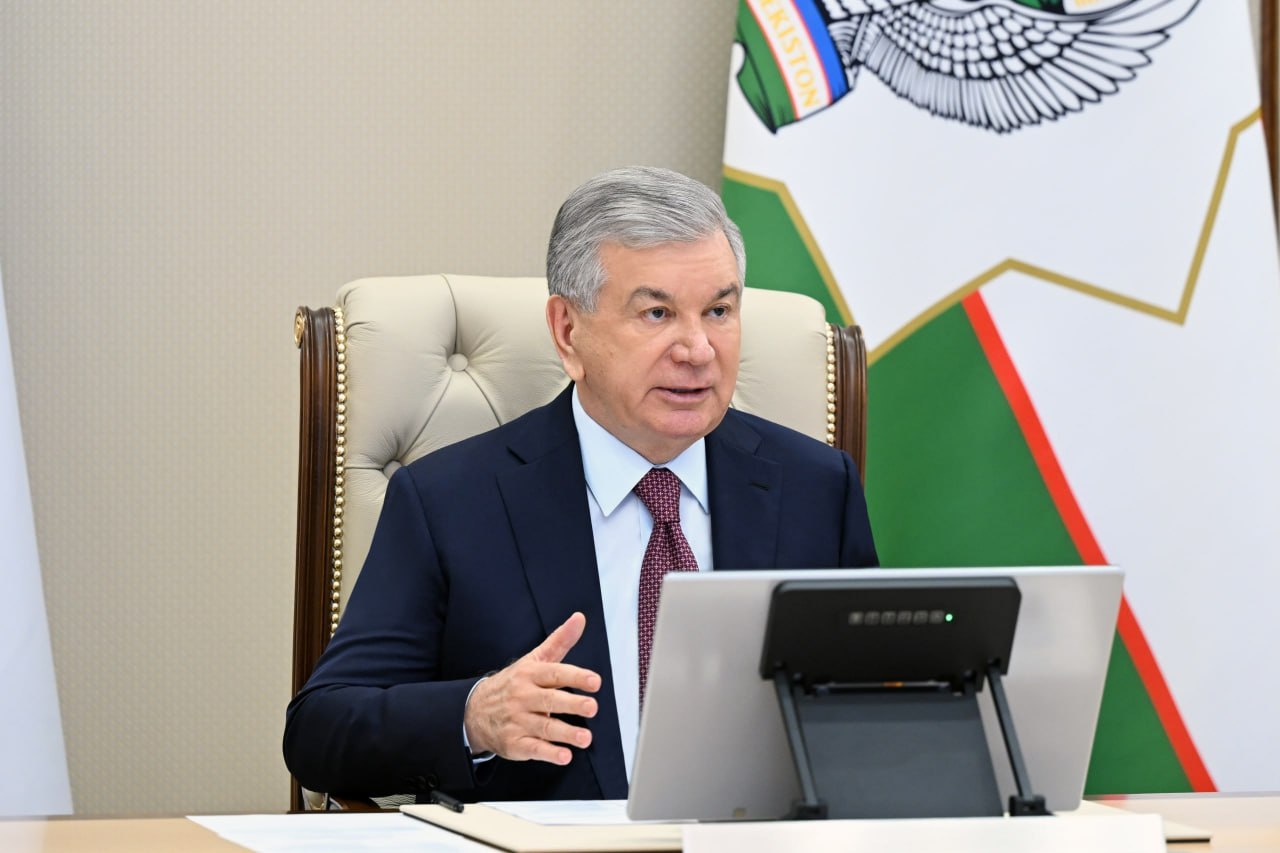
The president emphasized that public services are intrinsically linked to protecting human interests, fostering a comfortable business climate, and ensuring governance efficiency. He directed every ministry and department to re-evaluate their internal functions, abolish redundant requirements, and accelerate the digitization of their operations to ensure the "zero bureaucracy" principle is adopted consistently across all government bodies.