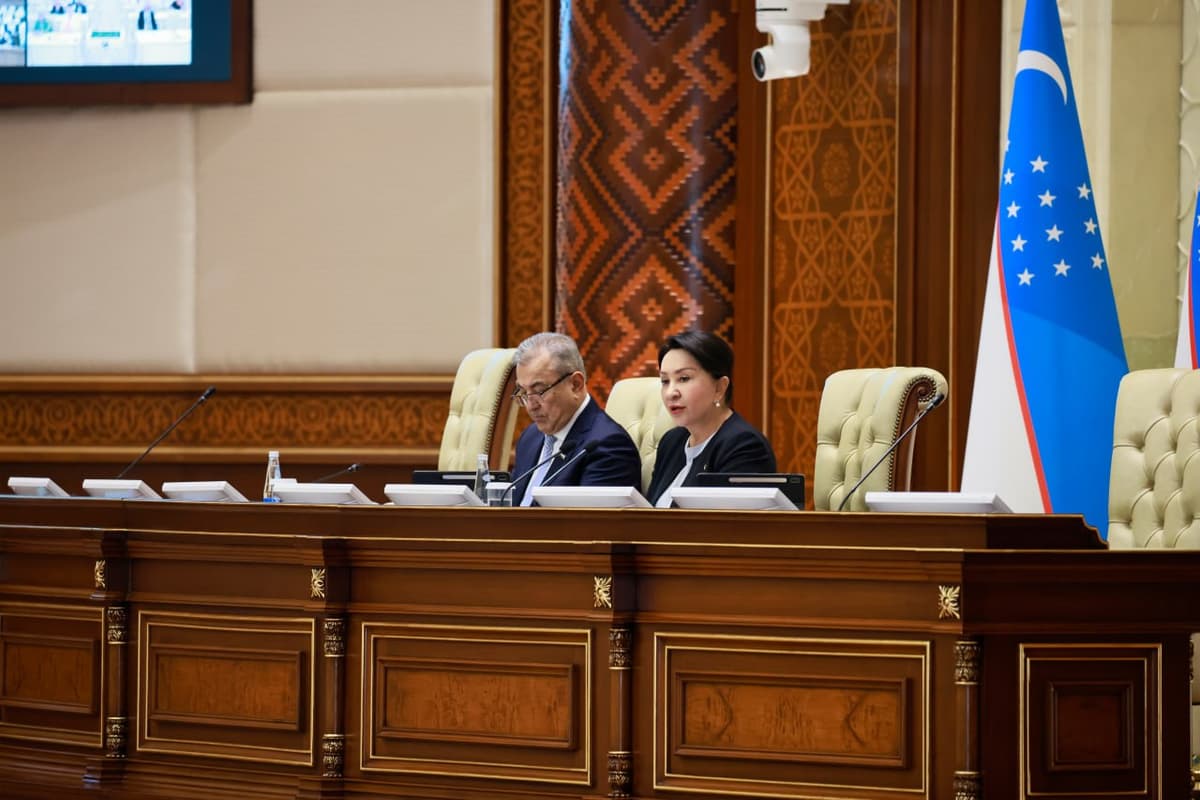
During the parliamentary session, Senator Zumrad Bekatova emphasized the changing nature of drug-related crimes across the country. Over recent years, the detection of narcotics offenses has expanded 2.5 times, the volume of seized prohibited substances has doubled, and the amount of destroyed synthetic drugs has grown sevenfold. In 2025 alone, law enforcement agencies uncovered over 15,000 drug crimes and seized roughly 3.5 tons of illegal substances, including 120 kg of synthetic narcotics.
A primary driver behind the strict legislative adjustments is the growth of domestic production. Authorities uncovered 5 clandestine narcotics laboratories in 2024, a figure that climbed to 14 in 2025, bringing the five-year total of dismantled underground production sites to 29. Senator Bekatova noted that drug cartels have largely abandoned traditional hand-to-hand distribution methods in favor of encrypted messaging apps and social media platforms, transforming the domestic market into a major manufacturing threat rather than an import–dependent sector.
To counter these shifts, the new bill establishes the creation and operation of an underground narcotics laboratory as a distinct, standalone felony, which previously lacked specific designation in the criminal code. Penalties have also been heightened for manufacturing, processing, purchasing, storing, or transporting large quantities of potent substances for distribution.
The law introduces strict limits on judicial leniency, eliminating the possibility of early release or parole for specific categories of especially grave drug crimes. Statistics presented to the Senate showed that individuals sentenced to seven years for narcotics offenses currently serve an average of just 3 years and 4 months before receiving early release, contributing to a 2.25-fold increase in repeat offenses over the last four years.
Protecting the youth forms a central part of the legislative updates. The bill imposes severe penalties for distributing illicit substances within student dormitories, youth summer camps, schools, or territories directly adjacent to educational institutions. It also establishes immediate criminal liability for involving a minor in the consumption of potent substances, bypassing the previous procedural requirement of a prior administrative warning. Involving minors in drug consumption within or near educational and recreational zones will now carry a mandatory prison sentence ranging from 5 to 10 years.
Furthermore, the legal framework formally incorporates the concepts of chemical analogues and precursors into the legislation. This closed loophole prevents traffickers from evading prosecution by making minor alterations to a substance's chemical formula and claiming it falls outside the banned list. Using telecommunication networks and the internet to distribute or advertise narcotics has also been classified as an official aggravating circumstance. This measure follows a successful law enforcement campaign in 2025 that shut down 72 major online narcotics storefronts.