





Additional features
-
Night mode

Uzbekistan introduces market-based tax evaluation for real estate and timber
The government of Uzbekistan has introduced a comprehensive regulation detailing how the tax base for real estate and timber products will be determined using actual market prices. Under the new mechanism, if the transaction price of a property or timber asset deviates by more than 20% from the officially calculated market rate, tax authorities will override the reported figure and calculate the tax liability based strictly on current market values.
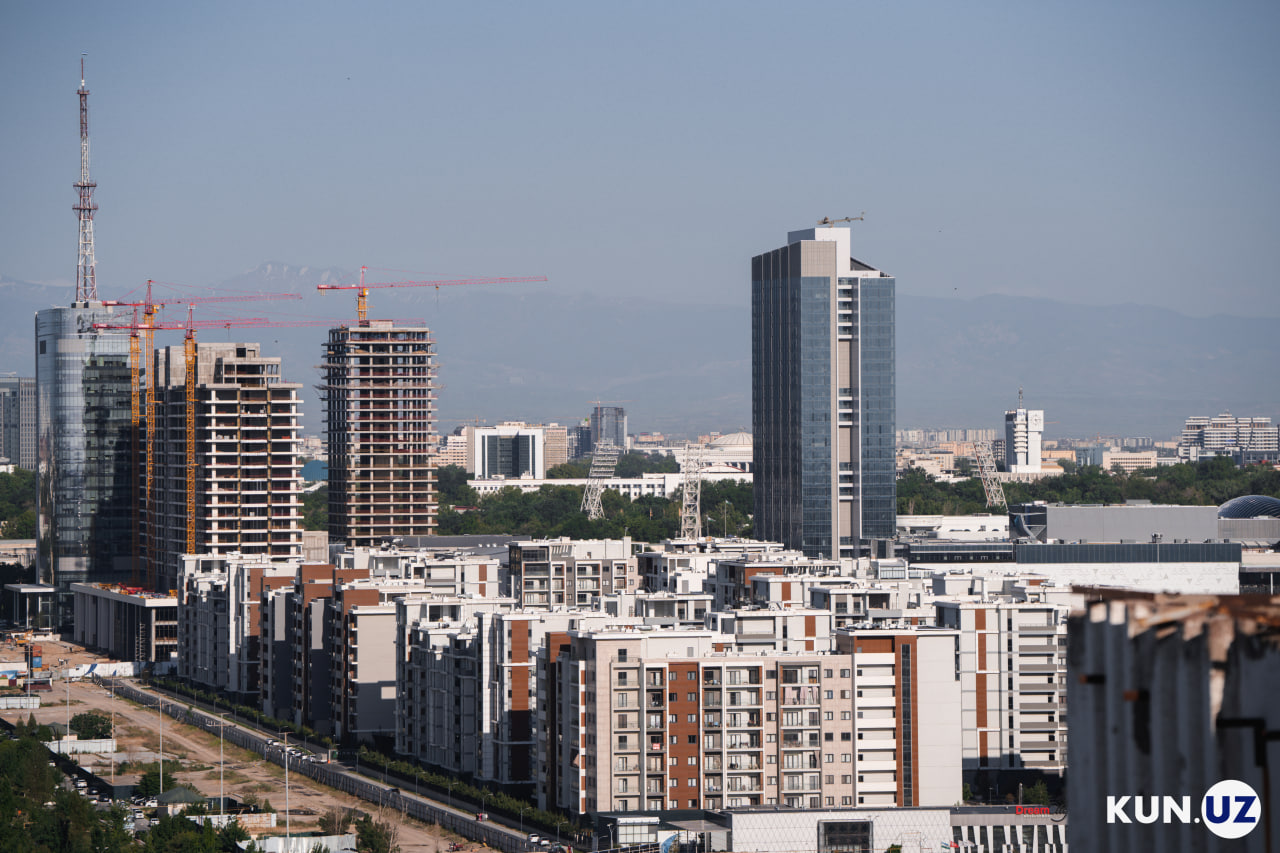
This move directly stems from a presidential decree signed on December 10, 2025, aimed at expanding cashless transactions and shrinking the shadow economy. The decree mandated that starting January 1, 2026, the tax base for real estate and construction materials must align with actual market values. To operationalize this framework, the Cabinet of Ministers approved a specific regulation on May 18, 2026, establishing the exact methodology for assessing these asset classes.
Enforcement and assessment data sources
According to the newly ratified regulation, tax agencies will employ the comparable market price method to verify transactions. The official market value of real estate will be determined by a specialized state body authorized to conduct public property valuations.
To ensure precision and uncover underreported sales, tax authorities are permitted to cross–reference transaction data against multiple digital platforms, including the unified automated information system for notaries, state procurement and auction platforms, and official seller price lists. For timber products, the market price will be benchmarked directly against the prices of identical or highly similar goods traded on the national commodity exchange.
Case study: How underreporting triggers reassessment
Tax officials provided a practical example from an actual transaction in the Mirzo Ulugbek district of Tashkent to illustrate how the mechanism applies retroactively to combat tax evasion. A local company, designated as LLC "A", finalized a contract on April 5, 2025, to sell a 216.04-square-meter apartment located on the third floor to a citizen for UZS 1,070,000 per square meter, bringing the total reported sales price on the electronic invoice to UZS 231.2 million.
However, using the formulation outlined in the new regulation, tax authorities analyzed electronic invoices submitted across the Mirzo Ulugbek district for newly built real estate during that exact month. The actual average market price for the area was determined to be UZS 6,100,000 per square meter.
Because the difference between the actual market rate and the declared sale price represented a massive deviation well beyond the allowable 20% margin, tax authorities recalculated the transaction value. Evaluated at the true market rate, the proper tax base for the property stands at UZS 1,317.8 million, revealing that the company had underreported its revenue base by UZS 1,086.6 million, which equates to UZS 970.2 million excluding Value Added Tax (VAT).
As a result of this market–based reassessment, the enterprise faces significant additional tax liabilities. Tax authorities recalculated the missing obligations as follows:
- A 12% VAT rate applied to the underreported revenue base adds UZS 116.4 million.
- A 15% corporate profit tax rate applied to the remaining net revenue adds UZS 128.1 million.
Consequently, the company has been issued an additional tax assessment totaling UZS 244.5 million in back taxes. This case underscores the strict approach the state is maintaining under the new oversight guidelines to ensure that corporate reporting matches prevailing market realities.

Related News

18:55
Government tightens urban planning regulations with mandatory master plan registry

13:29
Uzbekistan considers mandatory social tax for self-employed workers
11:32 / 15.07.2026
Lower house backs bill criminalizing occupancy of unfinished apartment buildings

12:16 / 14.07.2026