According to a review by the Center for Economic Research and Reforms (CERR), total vehicle sales across the country, including passenger cars, trucks, and buses, reached 88.2 thousand units in April. This represents a minor 1.9% decline compared to the same month last year. Despite the monthly drop, overall market activity from January to April remained positive, with 348.5 thousand vehicles sold since the start of the year, marking a 4.1% increase compared to the same four-month period in 2025. The strongest growth dynamics since January were recorded in Tashkent city, where the market expanded by 11.8%, followed by the Fergana and Samarkand regions with growth rates of 11% and 10.9% respectively.
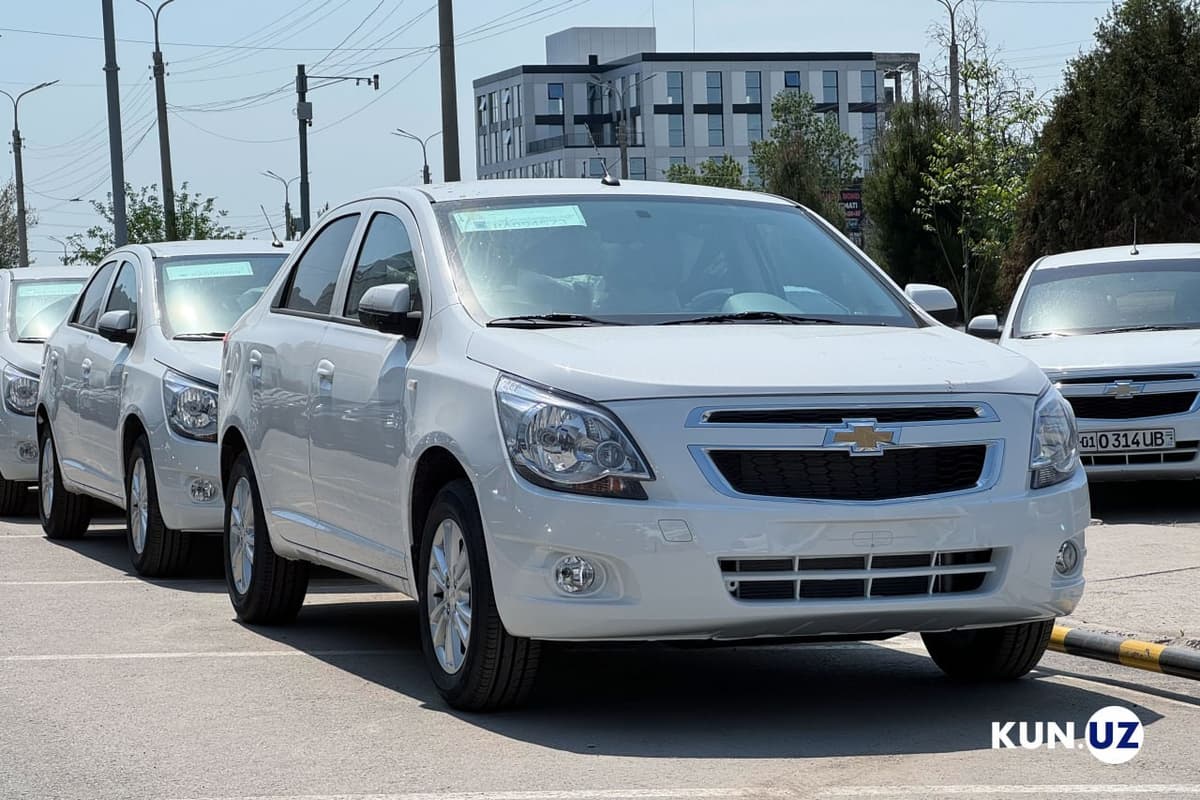
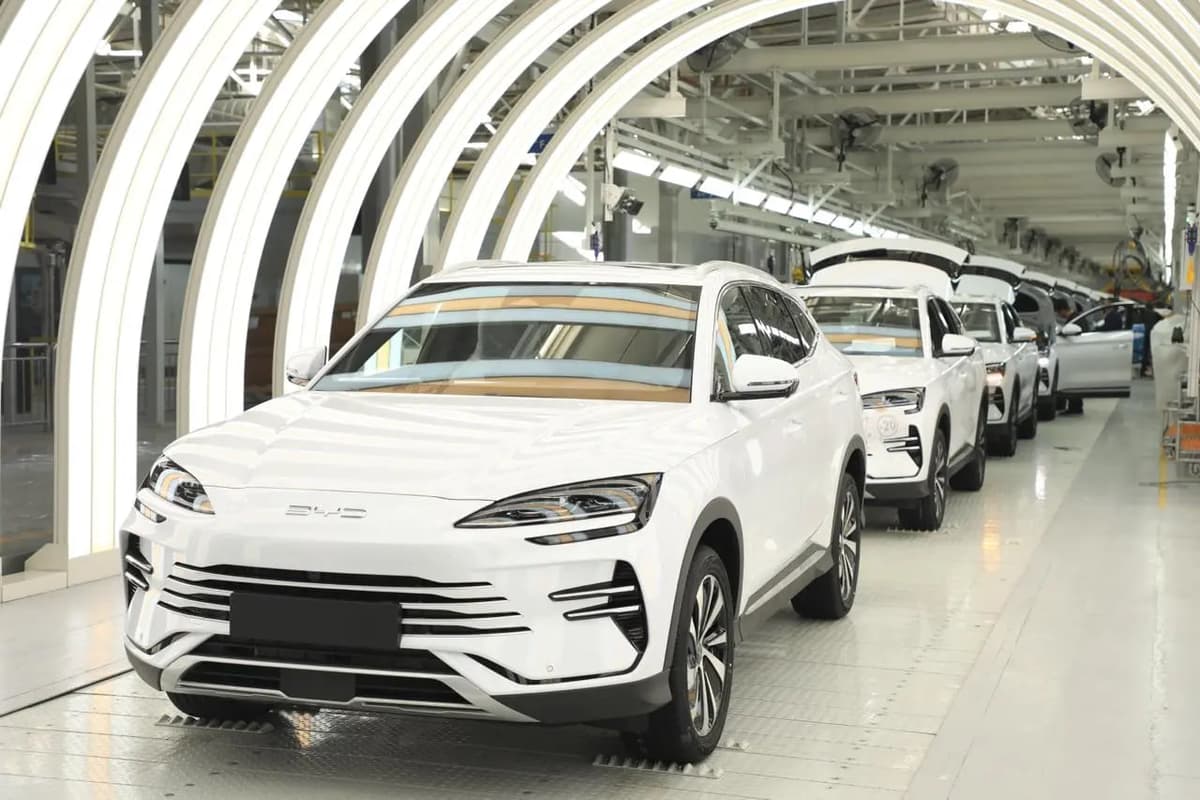
In the primary passenger car market, sales reached 24.9 thousand units in April, down 3.6% from the previous year. Domestically produced new cars made up the bulk of these transactions, with sales increasing by 4% year–on–year to reach nearly 21.3 thousand units. Conversely, sales of brand-new imported foreign cars dropped sharply by more than 32%, totaling roughly 3,600 units. Analysts from CERR attributed the general slowdown in the primary market directly to this decline in foreign car deliveries.
The secondary market also saw a noticeable downturn, with 43.7 thousand used passenger cars sold in April. This is a drop of 3,800 units compared to March and a 15% decrease, or 8,300 fewer vehicles, compared to April of last year.
This drop in second-hand transactions coincides with new financial regulations. The Central Bank of Uzbekistan recently reported that around 19.7 thousand car purchase agreements were finalized via escrow accounts involving banks and notaries in April. This follows a regulation that took effect on April 1, requiring all sales of vehicles under 10 years old to be processed through cashless payment methods. Comparing the Central Bank's escrow data with the CERR review indicates that the remaining 24 thousand transactions in the secondary market likely involved vehicles manufactured more than 10 years ago, which are exempt from the mandatory cashless tracking.
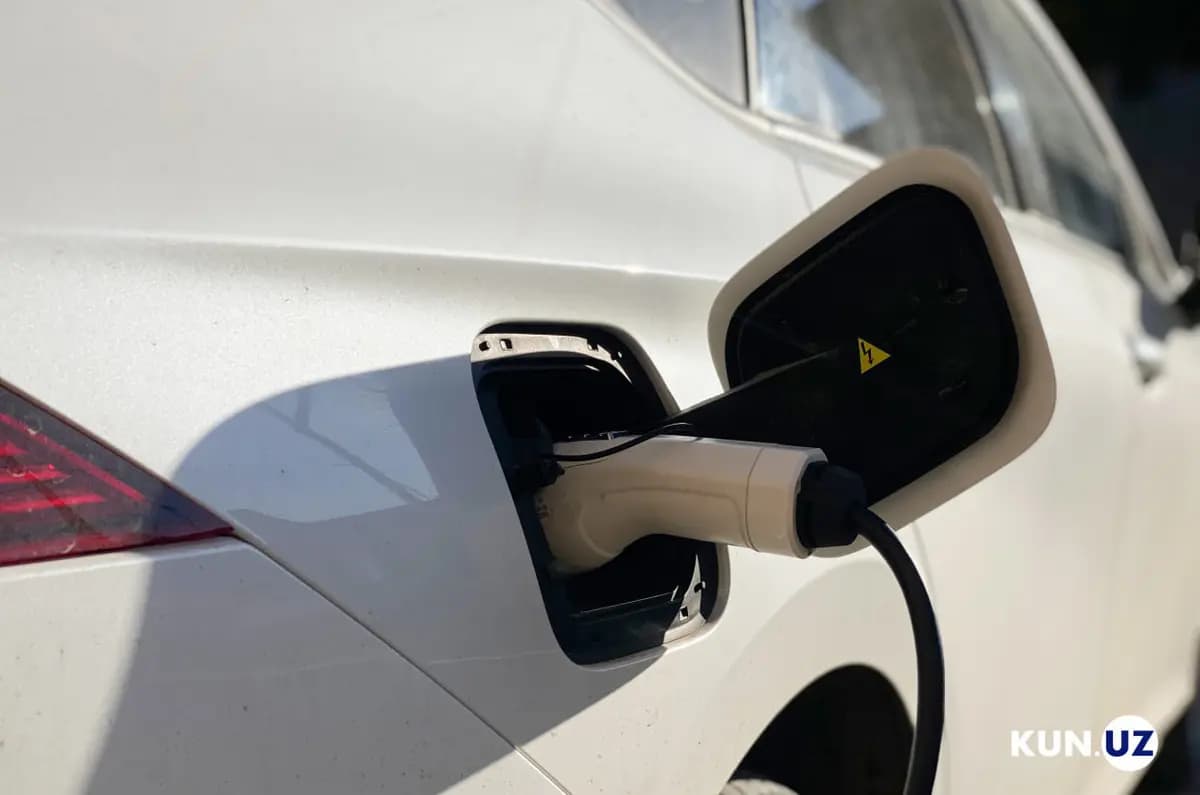
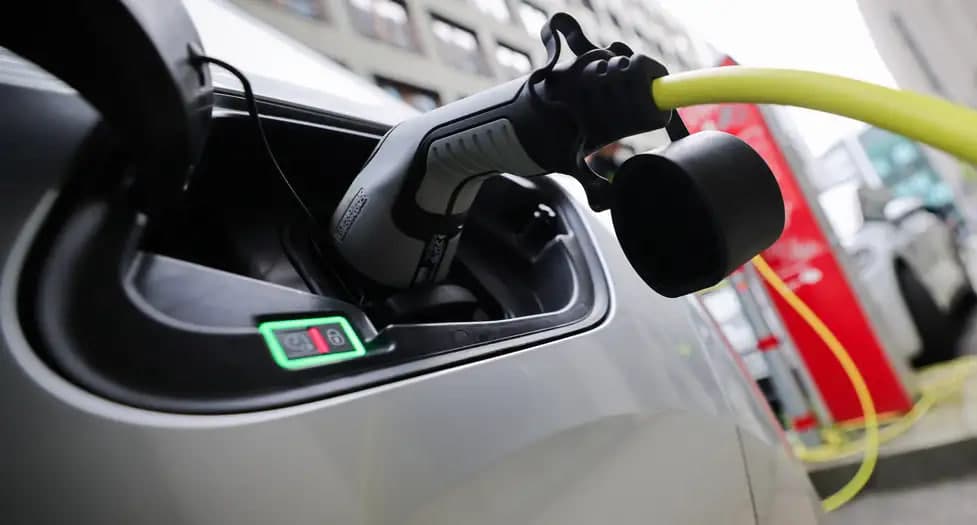
Meanwhile, the electric vehicle (EV) segment maintained the fastest growth rate in the passenger transportation sector. Roughly 8,100 electric cars were sold in April, nearly doubling the figures recorded during the same period last year. This annual surge in EV interest was visible across almost all parts of the country, with the sole exception of Samarkand region, where sales dropped by 34%.