“Russia is a time-tested strategic partner and ally” – President Mirziyoyev
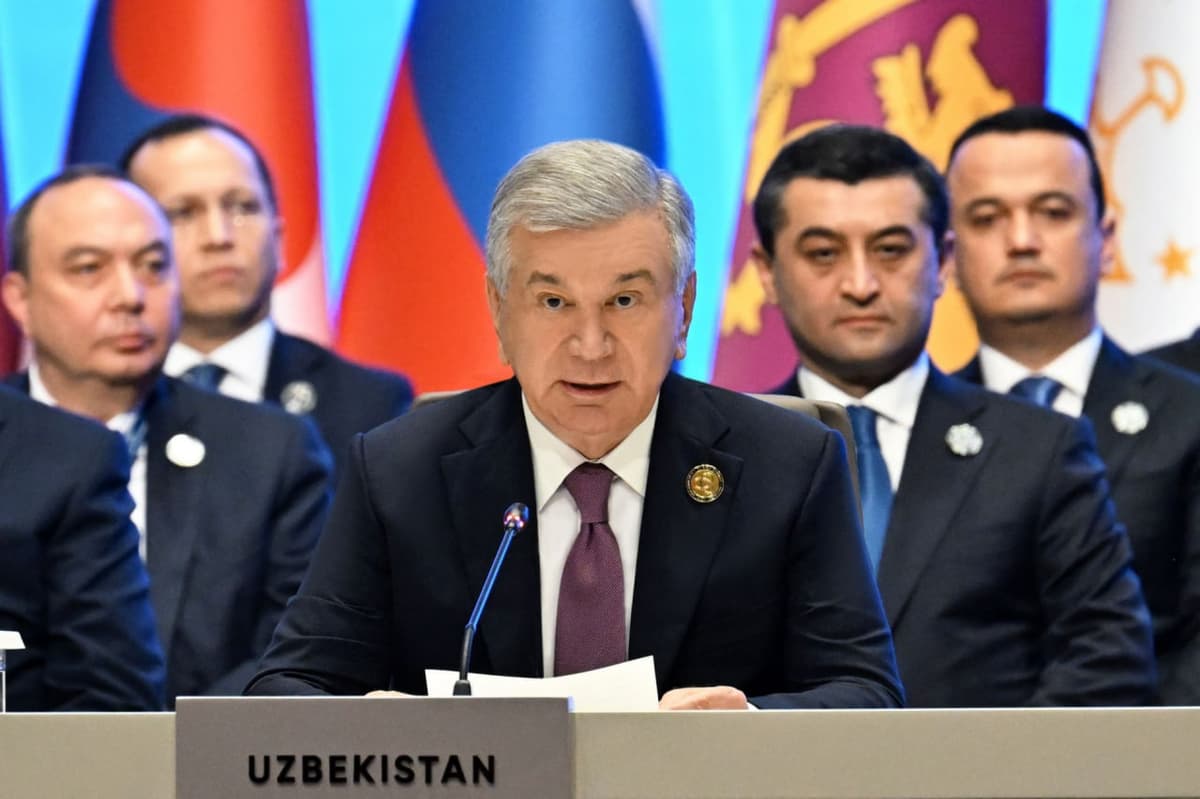
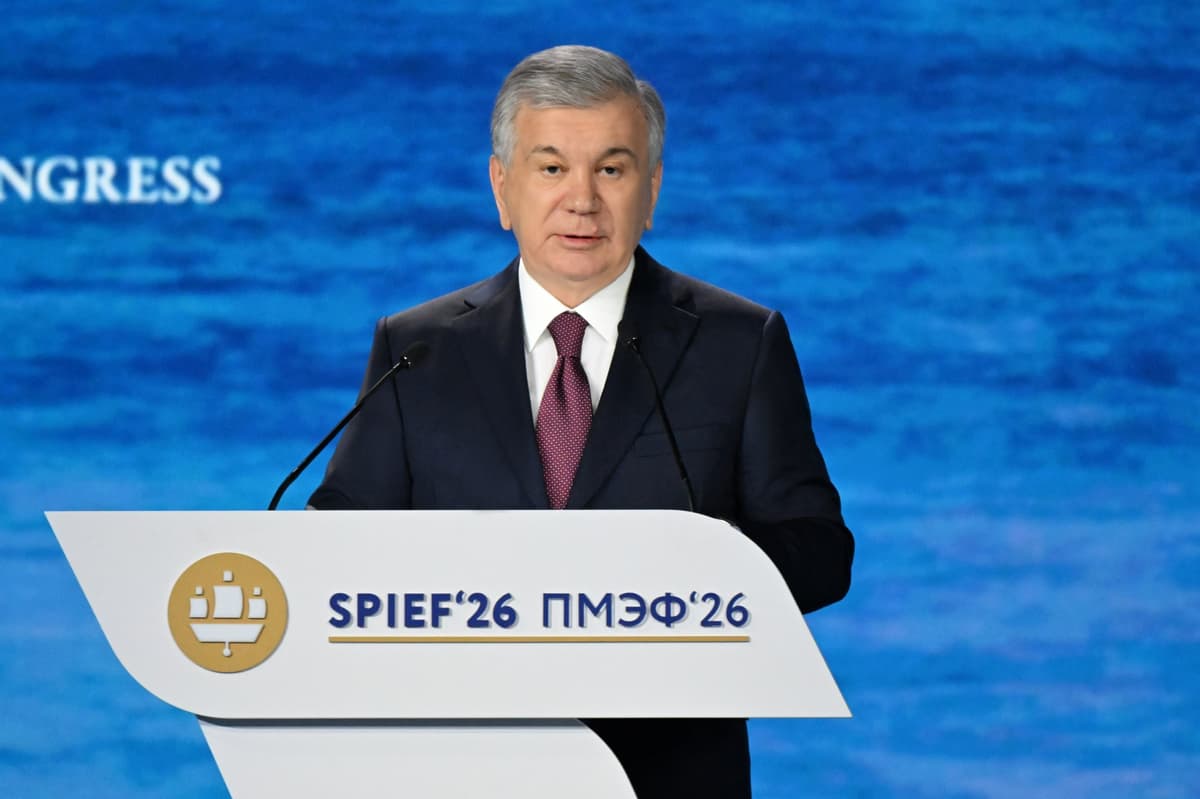
President Shavkat Mirziyoyev addressed the plenary session of the Saint Petersburg International Economic Forum (SPIEF) on June 5, focusing on global economic shifts and presenting a comprehensive vision for regional connectivity, industrial cooperation, and deep strategic ties between Uzbekistan and Russia.
In his speech, Mirziyoyev emphasized that openness is a civilizational necessity for Uzbekistan, which historically sat at the heart of the Great Silk Road. Today, Central Asia is emerging as an independent center of economic growth, bridging global transport, technology, and demographic trends between North and South, West and East.
"A strong, united, economically connected, open, and stable Central Asia serves the strategic interests of all our partners," the president stated, noting that a new level of connectivity requires integrating digital, payment, and production infrastructures alongside traditional transport and energy corridors.
Reflecting on bilateral ties, the president stressed that Russia is not merely a neighbor but a time-tested strategic partner and ally. Over the past decade, bilateral trade volume has more than tripled, rising from $4 billion to $13 billion, while the total portfolio of joint investment projects exceeds $50 billion.
Energy cooperation remains a cornerstone of this relationship. Investment initiatives, including those involving Russian companies, have expanded Uzbekistan’s power generation from 58 billion kilowatt-hours to 87 billion kilowatt-hours. The country plans to increase this capacity to 120 billion kilowatt-hours by 2030, with renewable energy accounting for 54% of the total.
Mirziyoyev also highlighted the recent foundation-laying ceremony for Uzbekistan's first hybrid nuclear power plant, built in partnership with Russia. He framed the project as a long-term investment in technology, engineering education, and advanced science, adding that Uzbekistan intends to expand cooperation into peaceful atomic applications in medicine, agriculture, and industry.
To push manufacturing beyond basic bilateral ties, the president proposed the creation of the "Eurasian Technological Industrialization Belt." This initiative envisions an interconnected system of production and technological clusters linked by a unified digital industrial cooperation platform. Mirziyoyev suggested piloting this project using the infrastructure of the annual INNOPROM Central Asia exhibition held in Tashkent.
In tandem with industrial goals, the president advocated for a joint Digital Ecosystem. The initial phase would align regulations for digital trade and urban services, promote domestic brands across shared platforms, establish a unified digital employment profile, and develop AI-driven products to expand market opportunities for businesses and citizens alike.
Addressing human capital, Mirziyoyev emphasized that more than half of Uzbekistan's population consists of young people. To leverage this demographic advantage, the country has expanded its higher education network, which currently hosts 32 foreign university branches, including 15 branches of Russian higher education institutions – the largest network Russia operates abroad.
To further bridge education and the labor market, the president proposed developing a Joint Online Platform for Human Capital Development. This system would integrate educational programs, language and IT courses, support for young entrepreneurs, and direct links to employers, providing a pipeline of qualified talent for businesses even in remote regions.
Tourism and the creative economy were also highlighted as drivers of mutual trust. In 2025, Uzbekistan welcomed nearly one million Russian visitors, and the country is expanding its infrastructure to accommodate more. The government aims to increase the share of the creative economy to 5% of gross domestic product (GDP) by 2030. To foster cultural exchange, Mirziyoyev proposed launching the "From Samarkand to Saint Petersburg" creative-tourist corridor, featuring joint art, film, museum, and culinary events.
Reviewing a decade of systemic reforms, the president noted that Uzbekistan's economy has grown from $50 billion to $147 billion, with growth projected to exceed 8% in 2026. Since reforms began, the country has attracted more than $150 billion in foreign investment, and exports of goods and services have nearly tripled.
To ensure sustained growth, Uzbekistan is actively developing its capital markets. The country has placed $16 billion in sovereign and corporate bonds on international markets. Last month, shares of the National Investment Fund of Uzbekistan, which consolidates major state-owned enterprises, were listed publicly on the London Stock Exchange for the first time. Furthermore, the Tashkent International Financial Center is being established under international standards, offering a special legal status and tax incentives to guarantee a stable environment for global investors.
Concluding his remarks under the forum's theme, "Pragmatic Dialogue: the Path to a Sustainable Future," President Mirziyoyev extended an invitation to attendees to participate in the upcoming Tashkent International Investment Forum on June 16–18, where global investors can explore new economic opportunities firsthand. He also expressed appreciation to Russian President Vladimir Putin for the invitation to present Uzbekistan's development priorities at the event.
Related News
20:57 / 05.06.2026
President Mirziyoyev addresses St. Petersburg International Economic Forum, outlines regional connectivity
11:29 / 05.06.2026
Shavkat Mirziyoyev and Vladimir Putin launch construction of Uzbekistan’s first nuclear power unit
20:47 / 04.06.2026
President Mirziyoyev arrives in St. Petersburg for high-level talks and nuclear project launch
19:20 / 04.06.2026