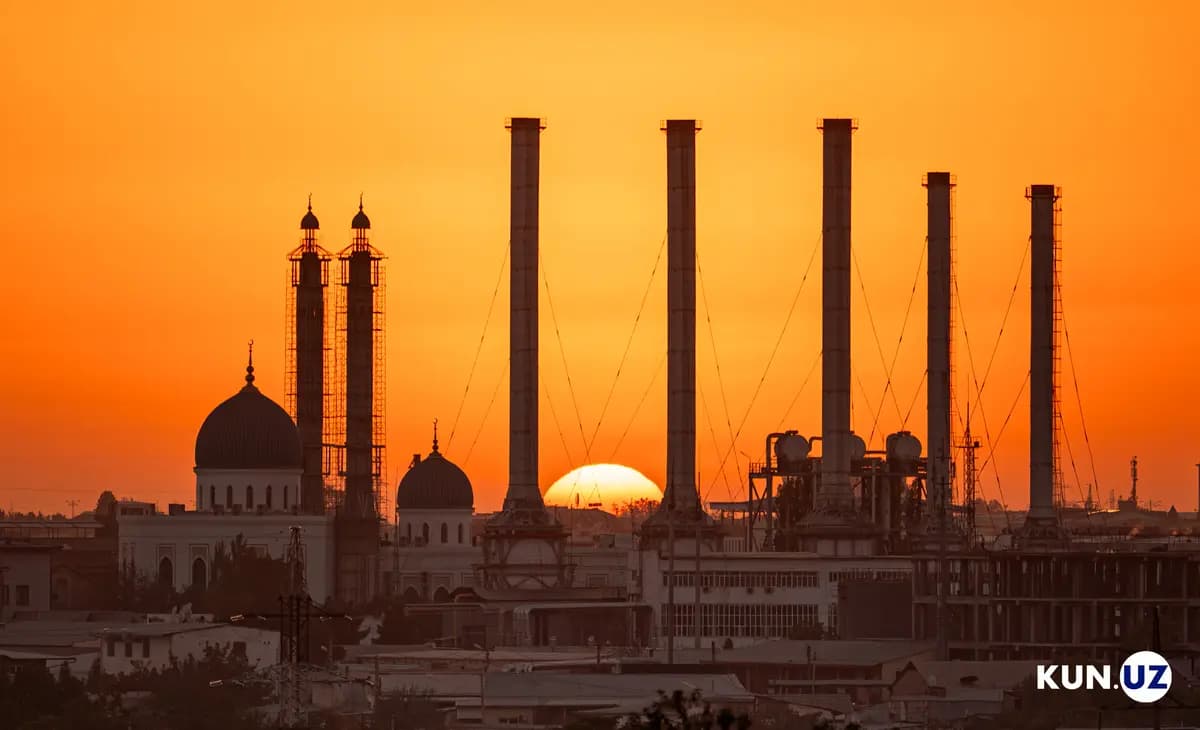
Throughout May, the final month of the spring season, warm air masses dominated the country. Daily afternoon temperatures routinely hovered between 27–32°C. Peak warming periods saw the mercury climb to 34–37°C, with some stations clocking 39°C toward the end of the month. Extreme heat built up across the northern, southern, and desert expanses, reaching 40–41°C, while areas surrounding Termez peaked at 42°C.
Meteorologists noted that May proved significantly more temperamental than the same month last year. Ranking comfortably among the top three warmest closing spring months on record for most provinces, it officially set the new milestone for the highest average May temperatures in the history of Uzbekistan's climate observations.
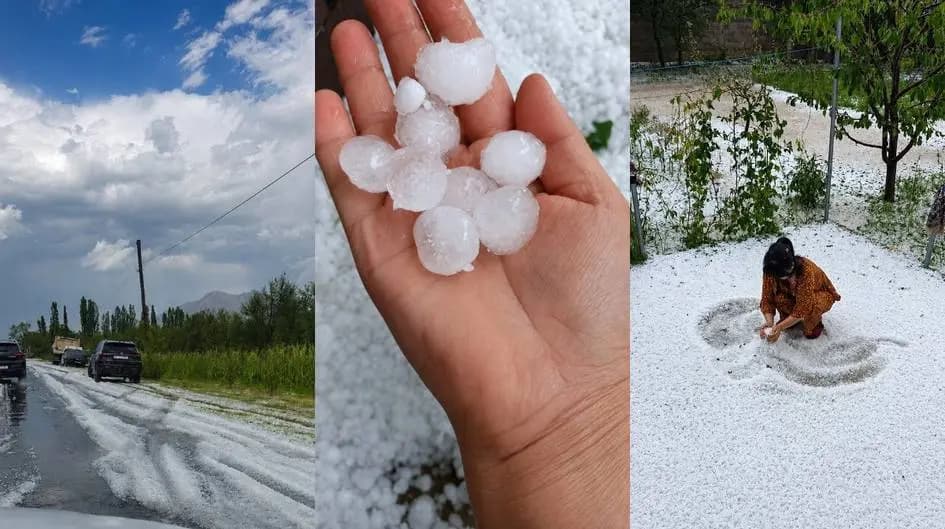
The month was equally defined by its volume of precipitation. Departing from the exceptionally dry conditions recorded in May last year, most of the country saw rainfall totals far exceeding historical norms. Fierce downpours frequently accompanied by thunderstorms rolled across almost every province, dropping heavy hail in several districts.
Severe storms concentrated immense volume into short windows. Parts of the Bukhara, Navoi, and Samarkand regions received 100–150% of their total monthly precipitation norm in a single 24-hour period. In Nukus, a single day of rain dumped 40 millimeters of water, a staggering 348% of the city's entire monthly baseline.
For certain areas, daily downpours of this magnitude had not been documented in the last 50 years. Weather monitoring stations in Angren, Guzor, and Nukus all registered historic, all-time highs for single-day precipitation totals during May.
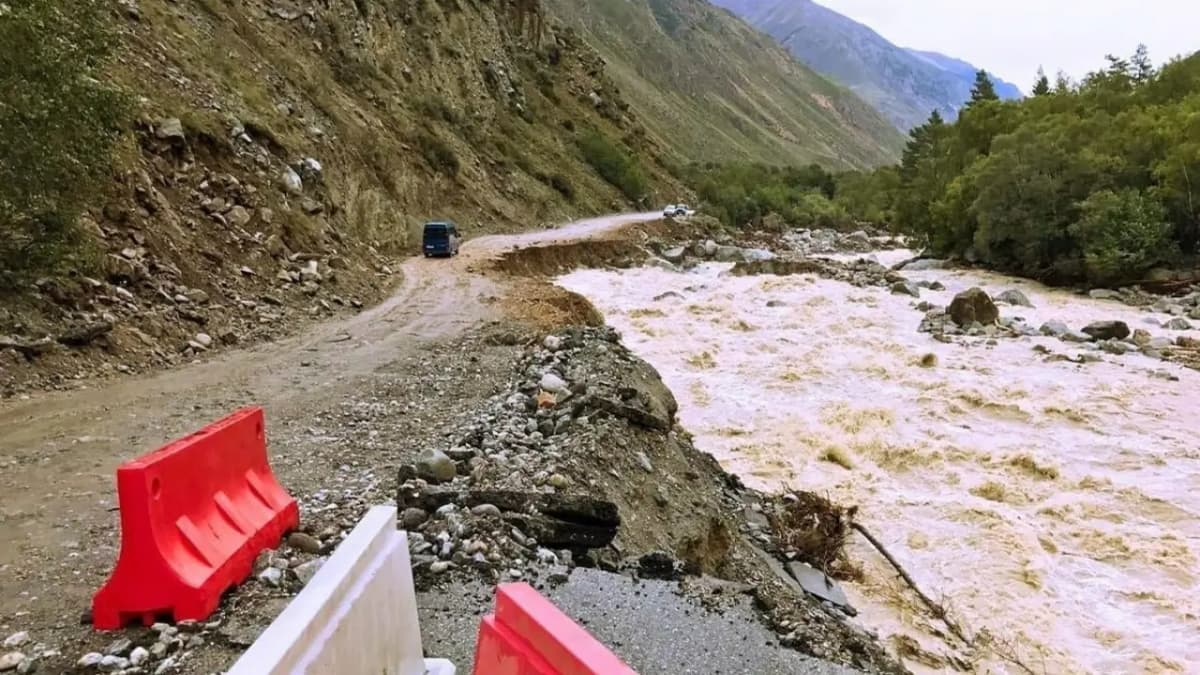
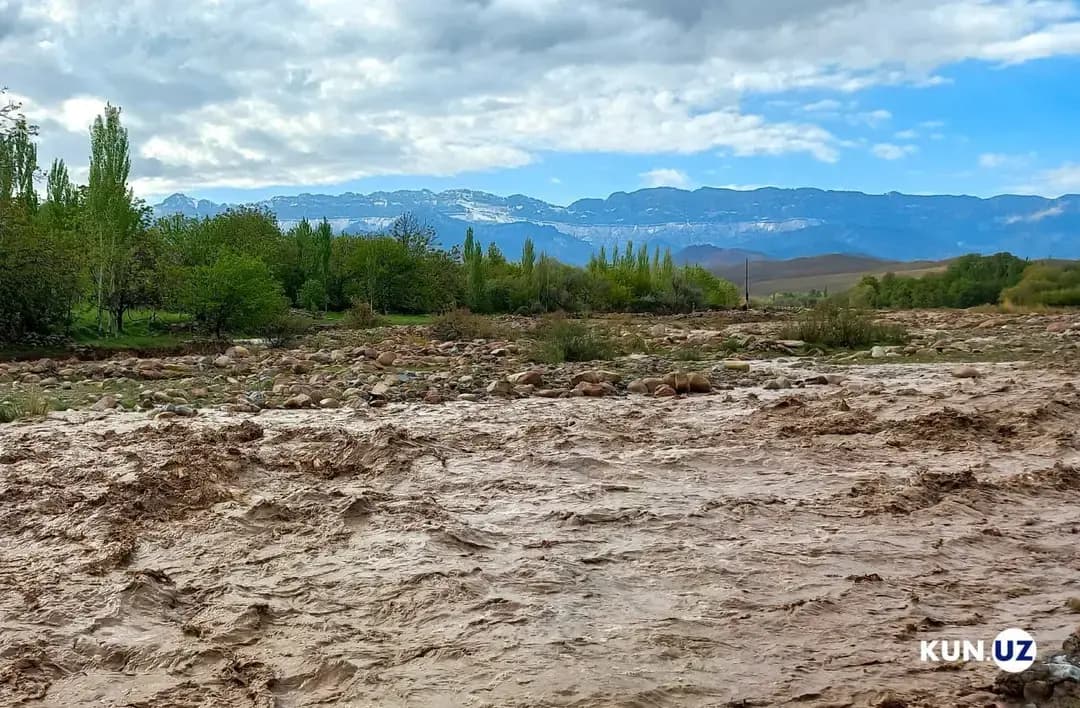
The volume of water quickly overwhelmed natural drainage systems. Mountainous and foothill zones in Tashkent, Samarkand, Jizzakh, Navoi, Kashkadarya, Surkhandarya, Fergana, and Namangan regions recorded multiple instances of destructive torrents and flooding over the course of the season.
Aggregated seasonal data shows that the entire spring stood out as unusually warm across the country. Average seasonal temperatures exceeded long-term historical baselines by 1–2°C, with Karakalpakstan seeing the highest deviation at 2–2.5°C above normal. Total seasonal precipitation across the landscape finished either right at or well above baseline climate averages.