
The review is being conducted by the Ministry of Higher Education, Science and Innovation together with the Knowledge and Skills Assessment Agency amid a sharp increase in the number of certificate holders and concerns that the current system could lead to a growing concentration of applicants competing for the same university places.
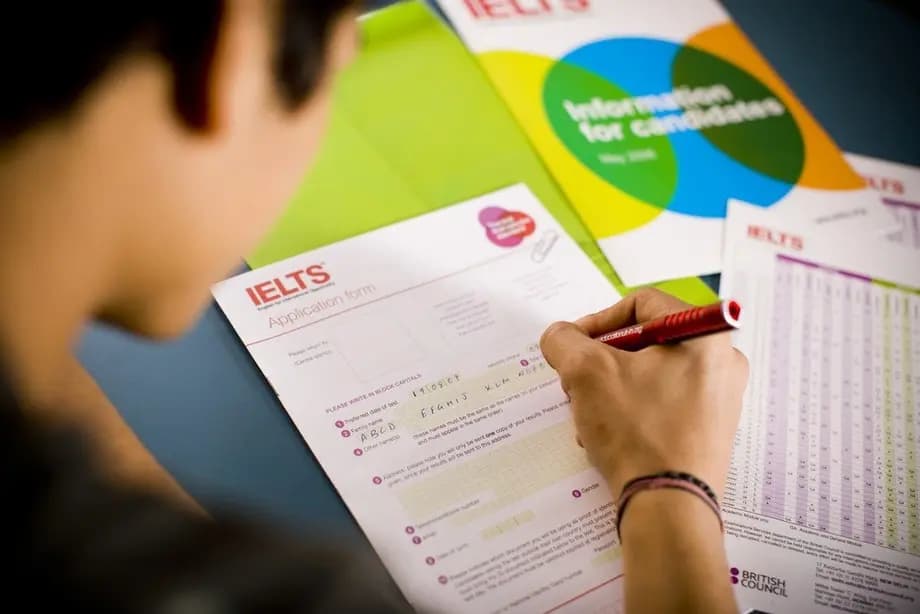
Of the 678,000 applicants who applied to state universities this year, 193,000 held national certificates in general education subjects, while 125,000 had national or international certificates in foreign languages.
Some 13,000 applicants held certificates covering all the subjects required for admission and were therefore fully exempt from entrance tests. By comparison, only 678 applicants received the same benefit in 2025.
The growing number of applicants receiving maximum scores through certificates has also contributed to higher admission thresholds. This year, the average cutoff score was 134.6 points for state-funded places and 93.7 points for tuition-based places, compared with 121.8 and 84.9 points, respectively, last year.
Speaking at a press conference following the completion of the university admissions process, Rajabov said officials were assessing whether awarding maximum scores to certificate holders remains the right approach.
He explained that national certificate examinations differ from university entrance tests. Entrance tests consist entirely of multiple-choice questions, while national certificates assess knowledge through open-ended questions and use the Rasch model to calculate results.
Rajabov said the number of applicants using national certificates has been rising each year, with many students obtaining certificates during the final years of school.
He acknowledged that certificates can reduce the element of chance present in multiple-choice tests, where applicants can sometimes gain points by guessing answers. However, he said the growing number of certificate holders could eventually outnumber those taking entrance tests, requiring the system to be adjusted in advance.