





Additional features
-
Night mode

Nearly 3,000 homebuyers suffer UZS 668 billion in losses from failed housing projects
President Shavkat Mirziyoyev was briefed on June 10 regarding a set of strategic presentations designed to improve the efficiency of ongoing urbanization and urban planning reforms. A primary focus of the briefing centered on addressing sharp increases in consumer fraud within the rapidly expanding housing market.
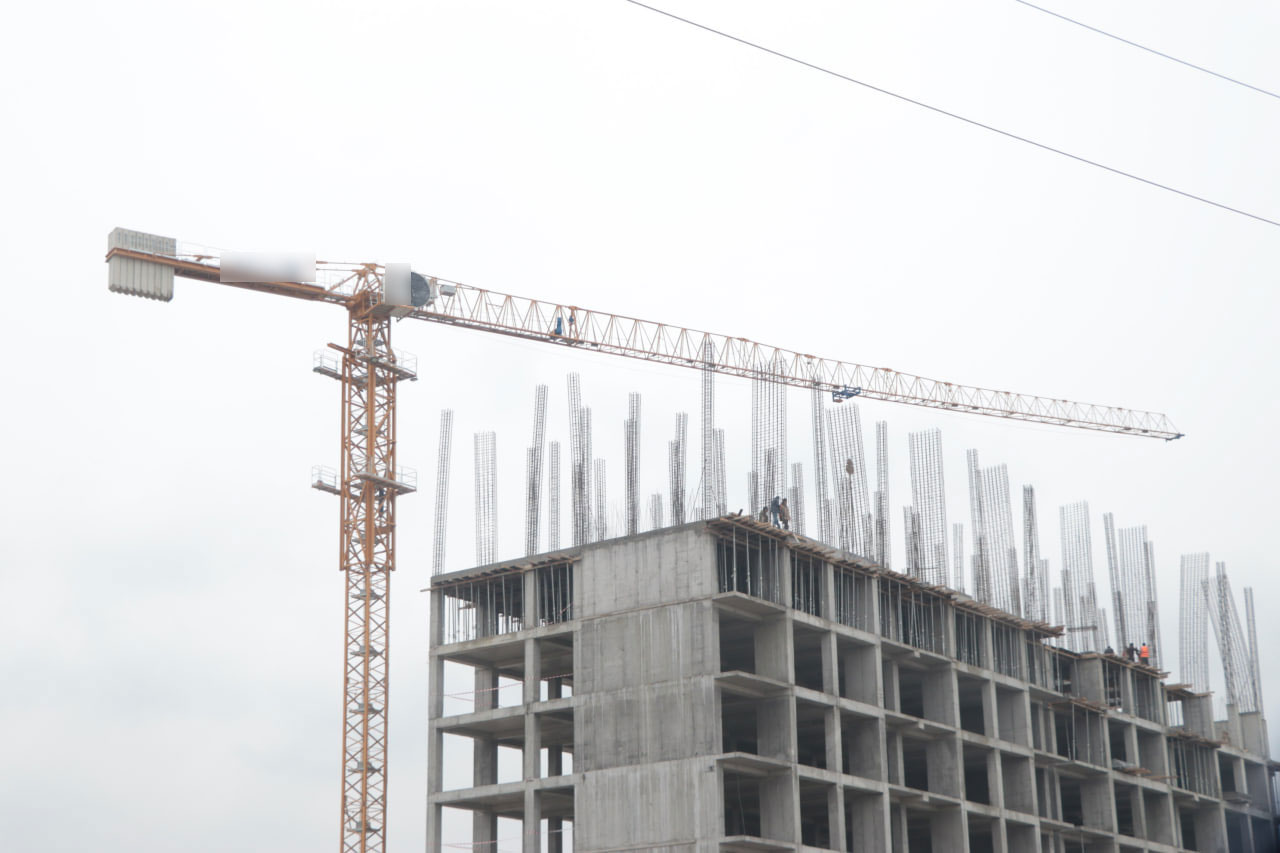
The volume of multi-family residential construction funded through shared-equity partnerships has grown 2.5 times in recent years, surpassing 11 million square meters in 2025. However, this rapid growth has coincided with a sharp rise in regulatory violations and developer defaults. In the past year alone, failed or fraudulent construction projects left nearly 3,000 citizens financially stranded, causing cumulative damages of UZS 668 billion.
To protect prospective homebuyers from these systemic risks, authorities have drafted a comprehensive law on shared-equity construction. The legislative document introduces strict market regulatory mechanisms, establishes explicit protections for consumer capital, and enforces higher transparency standards throughout the construction cycle.
Securing buyer capital through escrow accounts
The core innovation of the proposed legislation is the mandatory implementation of escrow accounts. Under this financial framework, funds advanced by homebuyers will be held securely in specialized accounts at authorized commercial banks. The banking institutions will only release these funds to developers in stages, after specific contractual milestones and construction phases are verified.
The regulatory framework establishes several non-negotiable operating principles to ensure the system's integrity. Capital deposited into these escrow accounts is fully insulated from external liabilities and cannot be seized by a developer's creditors. Furthermore, all financial transactions between shareholders and builders must pass exclusively through authorized banks. Developers will only receive the final payouts after the completed property is officially handed over to the buyer. Should a contract be terminated, the system guarantees a full refund of the entire deposited amount to the purchaser.
Digital integration and project passportization
The state-managed unified digital platform, Uy-joy, is set to serve as the technological backbone of these consumer protection reforms. The digital repository will aggregate verifiable information regarding developer track records, permit documentations, active architectural projects, physical construction progress, escrow account balances, and shared-equity participation contracts.
Additionally, the government intends to eliminate the fragmentation currently plaguing state information networks, which manage isolated data on land allocations, engineering designs, expert reviews, building permits, and commissioning certificates.
To bridge these data silos, authorities will implement a unified construction project identifier alongside dedicated digital passports for territories, specific designs, and physical structures. This integrated digital loop will enable regulators and buyers to track the entire lifecycle of a construction project from initial land survey to final occupancy.

Related News
13:24
China–Kyrgyzstan–Uzbekistan railway project enters active construction phase

12:28
Central Bank: Strong housing demand pushes up prices across Uzbekistan

15:51 / 06.07.2026
Uzbekistan sees sharp rise in property deals and mortgage lending

13:30 / 06.07.2026