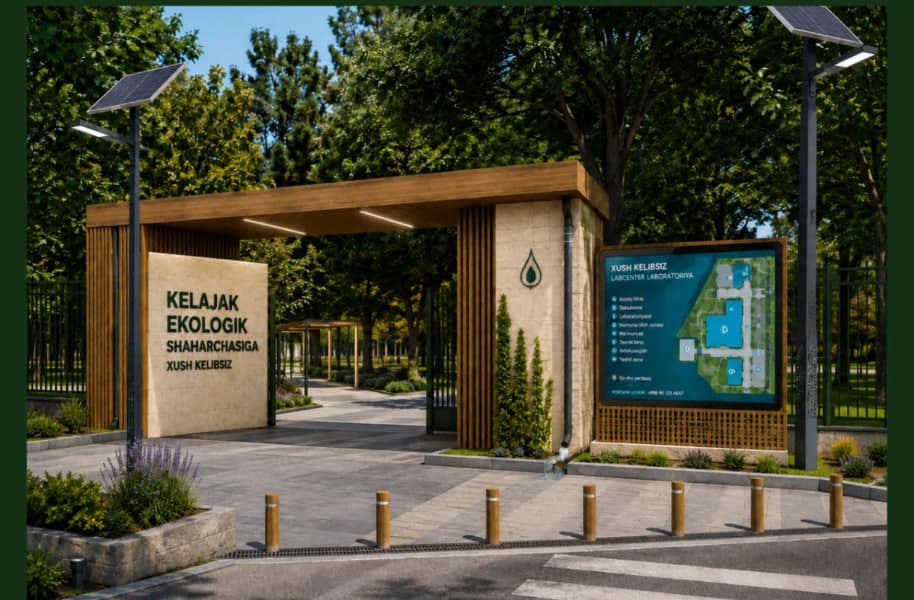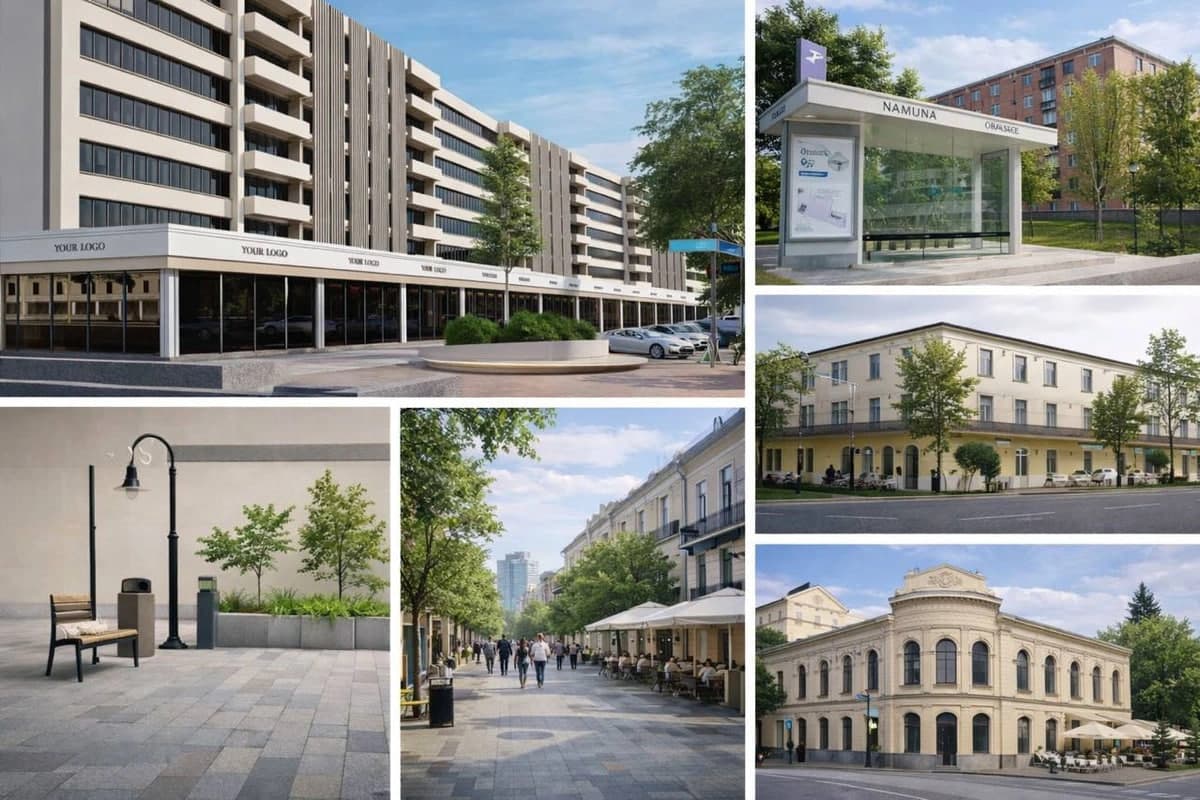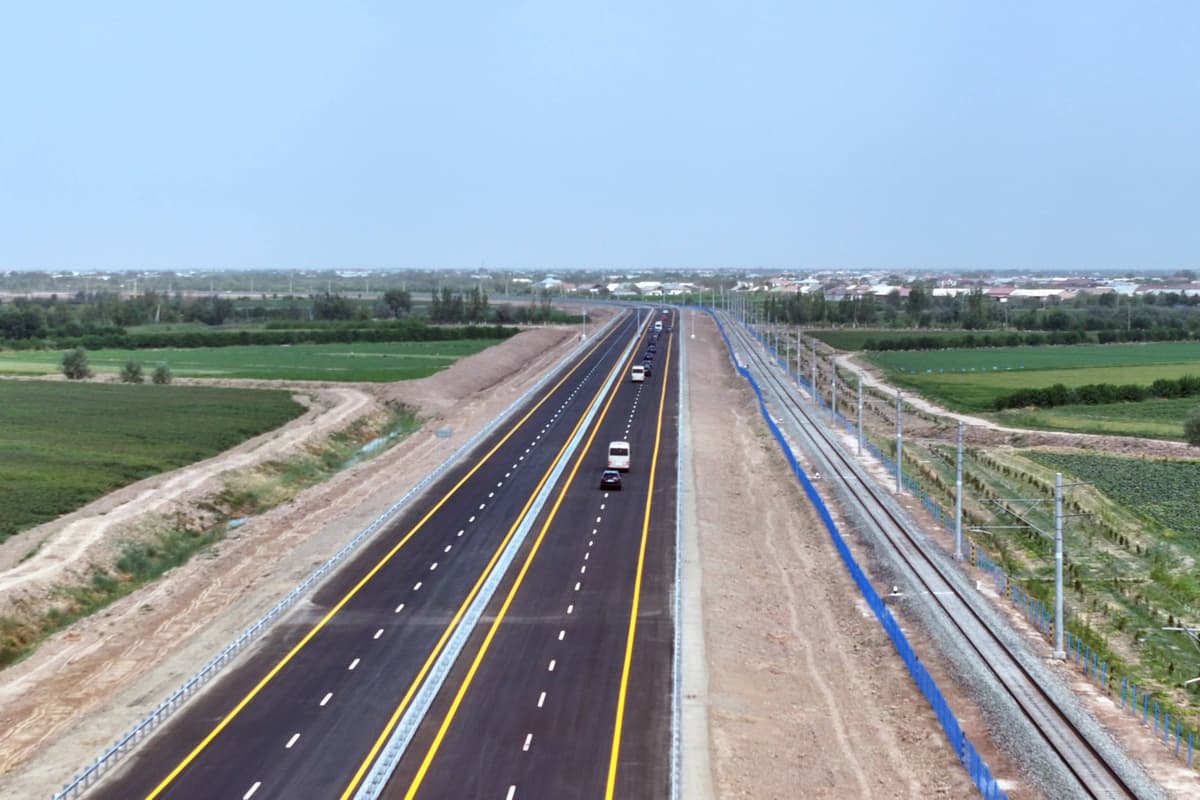

The funding addresses critical infrastructure deficits in a nation where nearly half of the 38 million citizens reside in rural areas. Despite steady economic growth, many villages continue to navigate daily life without reliable roads, updated school buildings, healthcare centers, or stable electricity and clean water networks. These systemic gaps have traditionally limited local business expansion and slowed regional job creation.
The project builds upon the institutional successes of the initial phase launched by the government in 2019 under the "Obod Qishloq" (Prosperous Villages) initiative. That first phase combined $100 million from the World Bank and $82 million from the Asian Infrastructure Investment Bank (AIIB). By its conclusion in June 2026, the first stage had successfully financed over 900 community-selected subprojects across 306 neighborhoods in Andijan, Fergana, Namangan, Jizzakh, and Syrdarya regions, directly benefiting approximately one million residents. Physical upgrades included the modernization of 340 roads, 220 power distribution networks, 160 water supply facilities, 100 schools, 40 kindergartens, and 10 regional bridges.
The newly approved second phase commands a total budget of $340 million, drawing $150 million from the World Bank, $120 million from the AIIB, and $70 million from the government of Uzbekistan. Administered by the Ministry of Economy and Finance, the expanded program will cover 296 neighborhoods, adding Tashkent region to the original five territories. Financial disbursements are structured in sequential tranches linked directly to measurable implementation milestones.
A defining element of the program remains its community-driven governance model. Local residents directly select, plan, and monitor the construction of public works through dedicated Mahalla Development Units, where women are legally required to make up at least half of the decision–making bodies.
By the 2031 completion target, the second phase is projected to improve living conditions and utilities for 1.2 million rural residents, including 600,000 women and 300,000 young people. Beyond upgrading basic infrastructure, the strategy introduces an explicit focus on economic empowerment by establishing Common Facility Centers across 15 pilot neighborhoods. These centers are designed to help rural entrepreneurs involved in small-scale manufacturing and agricultural processing sharpen their business skills, secure diversified sales markets, and gain expanded access to credit.