





Additional features
-
Night mode

Uzbekistan’s urbanization rate hits 51 percent following decade of regulatory reforms
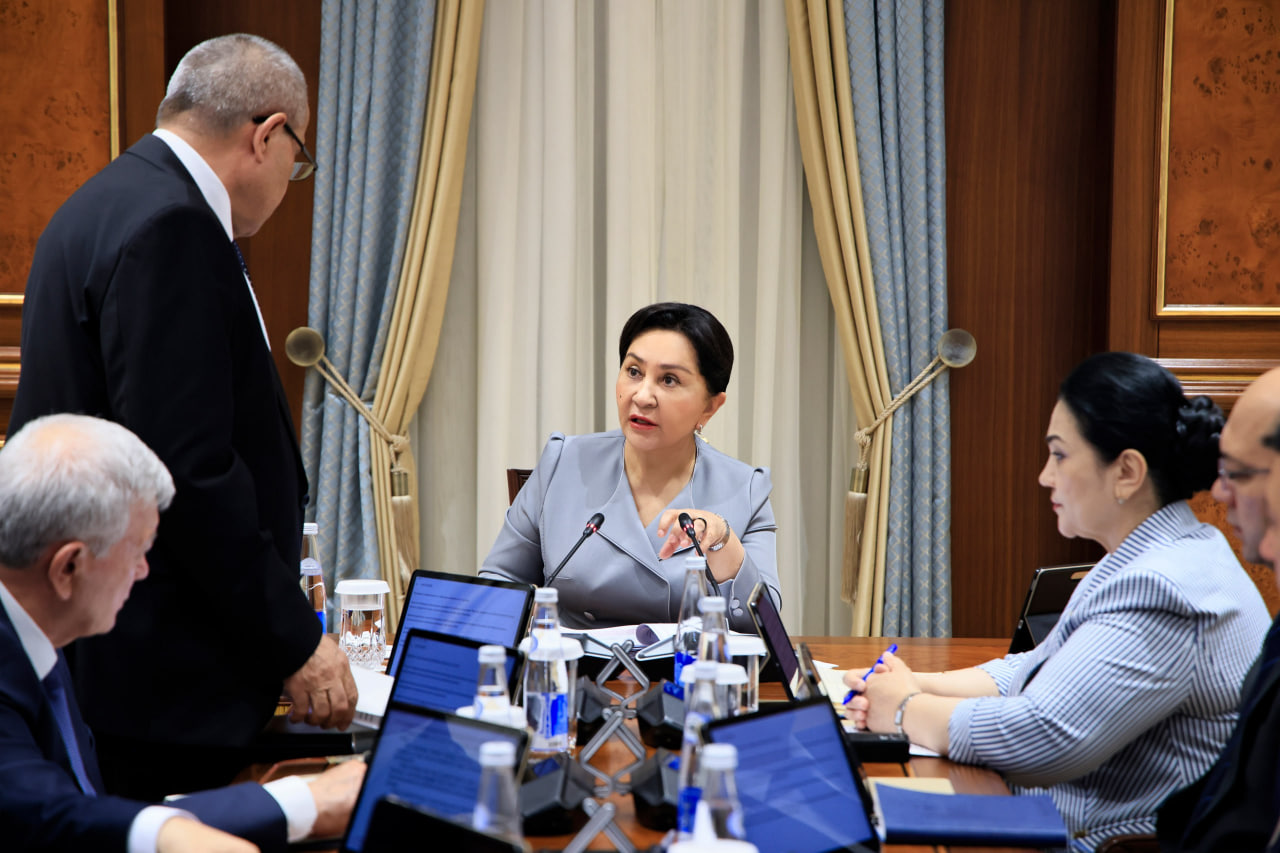
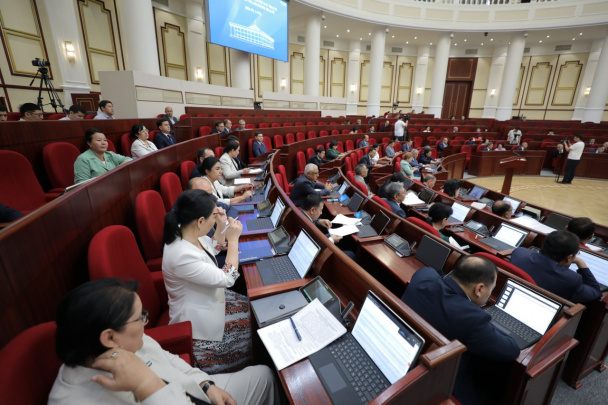
Uzbekistan’s urbanization rate has reached 51% following an aggressive push in construction and urban development reforms over recent years. The latest figures were disclosed during a meeting of the Parliamentary Commission on the Implementation of National Sustainable Development Goals held on June 18.

The session focused on expanding environmentally sustainable urbanization while reviewing long-term efforts to improve housing availability and modernize the country's architectural frameworks. Legislative changes aimed at reducing bureaucratic hurdles for real estate developers have cut the number of required construction permitting stages threefold, while processing times have dropped fourfold. Additionally, regulatory bodies have revised 420 existing building codes and approved 140 new regulatory standards.
These streamlined procedures have driven significant corporate growth in the sector, leading to the establishment of nearly 10,000 new construction enterprises over the past nine years. The scale of residential development has expanded dramatically as well. Annual housing construction volumes increased tenfold over the decade, culminating in the completion of 238,000 apartments in 2025 alone. A major driver of this growth has been the state-backed "Yangi O‘zbekiston" (New Uzbekistan) initiative, which has seen the development of 61 large-scale residential sub-districts across the country.
The construction boom has also emerged as a primary pillar of national employment, with the building sector, building materials manufacturing, and related auxiliary industries now supporting 3.5 million jobs. To maintain this momentum among private contractors, the government has funneled UZS 140 trillion in targeted financing to support small and medium-sized enterprises operating within the sector.
The parliamentary review paid specific attention to the densely populated Fergana Valley, where urbanization rates are outpacing the national average. Namangan leads the region with an urbanization level of 64.9%, followed by Fergana at 56.7% and Andijan at 52.2%. Over the past four years, housing construction in these three eastern provinces grew nearly 2.5 times, generating 237,600 regional jobs.
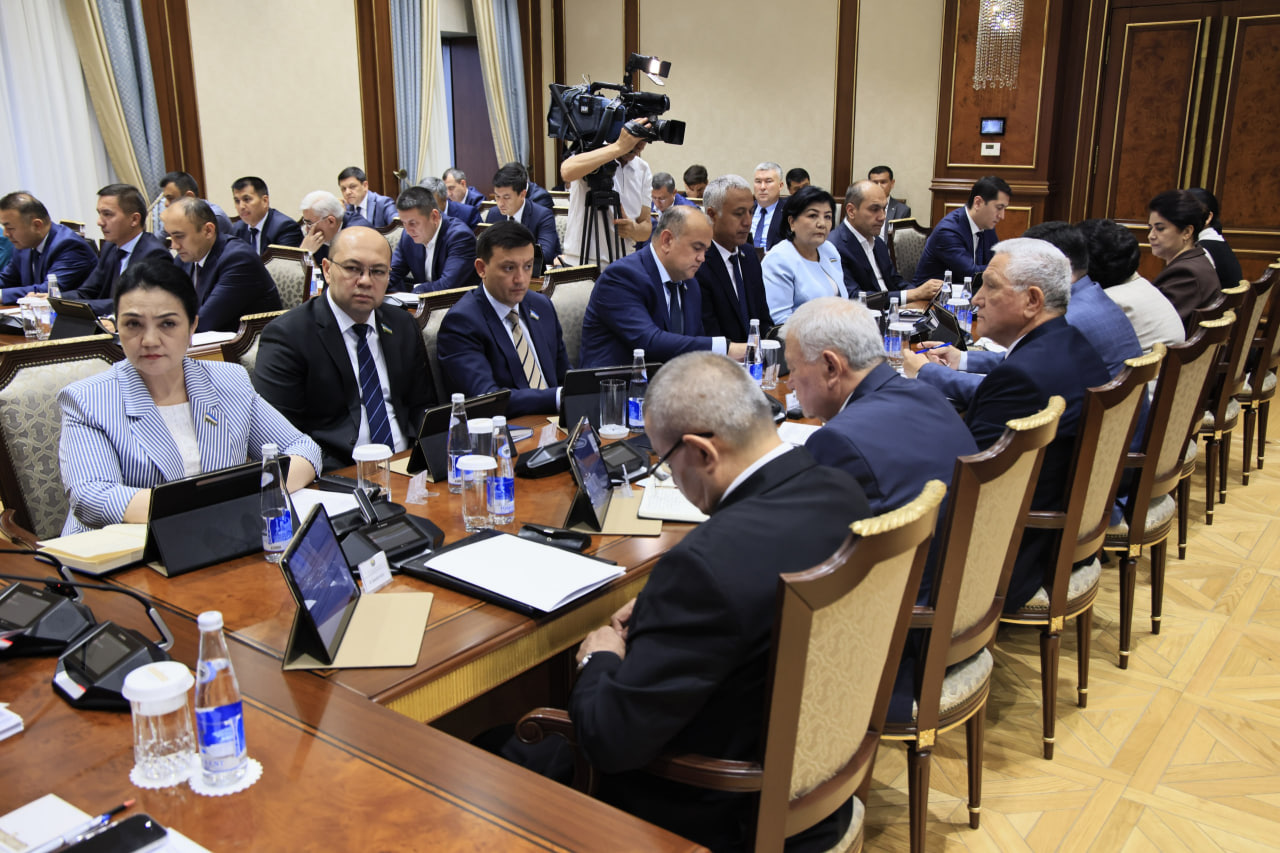
Despite the quantitative growth, commission members emphasized that the next stage of urban development must prioritize quality of life and environmental safety. Moving forward, the parliamentary body outlined key priorities, including the continuous refinement of master plans, the expansion of pedestrian and bicycle infrastructure, and the improvement of road safety. Lawmakers stressed the urgent need to balance rapid industrial and urban expansion with strict ecological sustainability standards to protect the urban environment.

Related News
13:38 / 09.07.2026
Senate backs stronger child protection measures and penalties for abuse
13:25 / 09.07.2026
Senate approves Tashkent International Financial Centre law after revisions
19:53 / 07.07.2026
Lawmakers approve special tax regime for foreigners in final reading
13:59 / 07.07.2026