
According to the labor market review published by the Central Bank of Uzbekistan, this 5.2 percentage point drop coincides with an ongoing diversification of labor migration destinations.
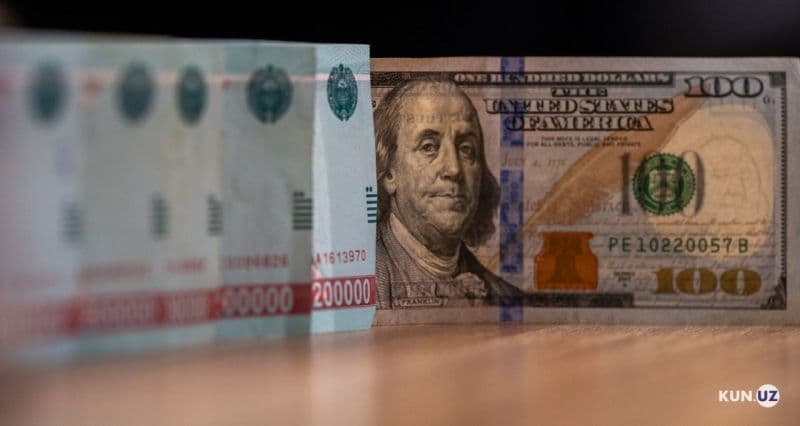
Cross-border remittance inflows to Uzbekistan grew by 13% year-on-year between January and March 2026, totaling $3.8 billion. While Russia remains the single largest source of these financial flows, its historical dominance is gradually easing. Regulators attribute this shift to a combination of rising labor patent costs in Russia, the relative depreciation of the Russian ruble observed in March, and expanded employment opportunities in alternative foreign markets.
Data from the Federal State Statistics Service of Russia confirms a decrease in the presence of Uzbek workers. In the first quarter of 2026, the number of Uzbek citizens operating in Russia on the basis of work patents stood at 1.34 million. This represents an 8.8% decline compared to the previous quarter and a 1.8% decrease compared to the first quarter of 2025 – a trend driven by seasonal factors alongside structural changes in external labor demand.
Concurrently, outbound travel from Uzbekistan is on the rise. The number of Uzbek citizens traveling abroad reached 1.63 million in the first three months of the year, marking an 11.6% increase over the previous year. Air passenger traffic mirrored this growth, with airlines transporting 2.25 million passengers during the quarter, a 32% increase compared to the same period in 2025.
The Central Bank highlighted that the geographic diversification of both migration and financial inflows is firmly underway, though its long-term momentum depends heavily on the macroeconomic conditions of key partner states.
Other nations are successfully absorbing a larger portion of the Uzbek workforce. In Turkey, data from the Directorate General of Migration Management under the Ministry of Interior showed that nearly 70,000 Uzbek citizens received migration permits in the first quarter, a 14% increase year-on-year. Meanwhile, the number of Uzbek nationals residing in South Korea maintained steady growth, reaching 99.6 thousand people.
These shifts are clearly reflected in the updated composition of inbound remittances. Kazakhstan and South Korea each saw their share of total transfers increase by 1% and 0.6% percentage points respectively, with both countries now accounting for 4.1% of the total volume. European countries grew their share by 1 percentage point to reach 3.3%. The most substantial growth came from the collective share of all other destination countries, which climbed by 2.6 percentage points to make up 16.2% of the total cross-border transfers.