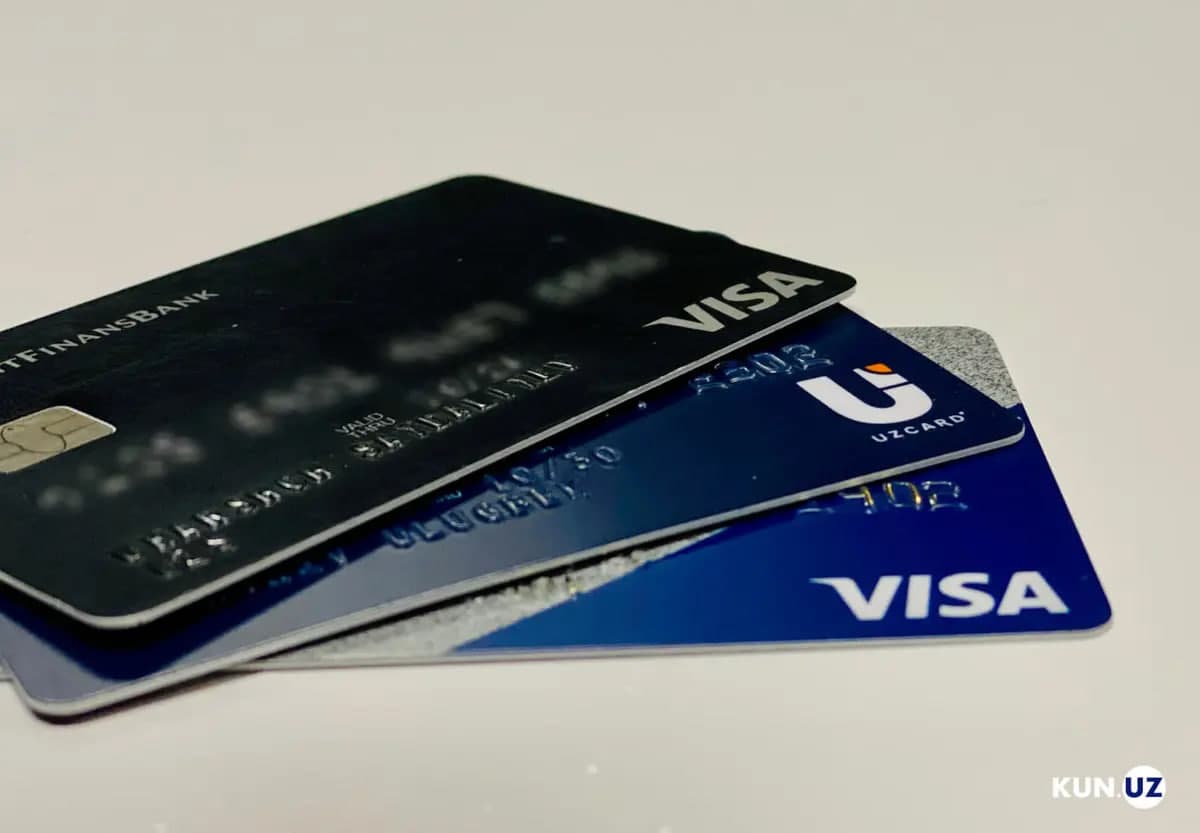
The average adult in Uzbekistan holds 3.2 bank cards, but only 53% of cards were actively used during the 12 months covered by the index. In other words, roughly 47% of the country’s bank cards saw no activity during the period.
The figures come from the Central Bank’s first pilot calculation of the National Financial Inclusion Index, based on data for 2025.
The regulator said the results highlight a growing gap between the expansion of payment infrastructure and how actively people use the financial services available to them.
Access to digital payments remains high
Access to payment services is relatively widespread in Uzbekistan. Bank cards are held by 83% of the adult population, while nearly 77% have an active internet banking profile.
A further 86.3% of adults have access to mobile internet payments.
However, widespread access does not necessarily translate into active use. The use of payment services received a score of just 34 out of 100 in the financial inclusion index. By comparison, the use of savings products scored 68 points, while the use of credit products scored 47 points.
The Central Bank said the findings show that simply increasing the number of bank cards in circulation has a limited impact on financial inclusion.
P2P transfers dominate cashless payments
Most cashless transactions in Uzbekistan are concentrated in a single category. Person-to-person, or P2P, transfers accounted for 69% of all payment transactions.
The Central Bank said this shows that consumers have become accustomed to transferring money through digital channels. At the same time, other forms of digital payments have yet to gain widespread adoption.
The regulator said efforts should focus not only on expanding access to bank cards and other digital payment tools, but also on increasing the share of active users and the frequency with which they make transactions. It also highlighted the need to promote the use of digital payment tools for everyday purchases and other payments.