
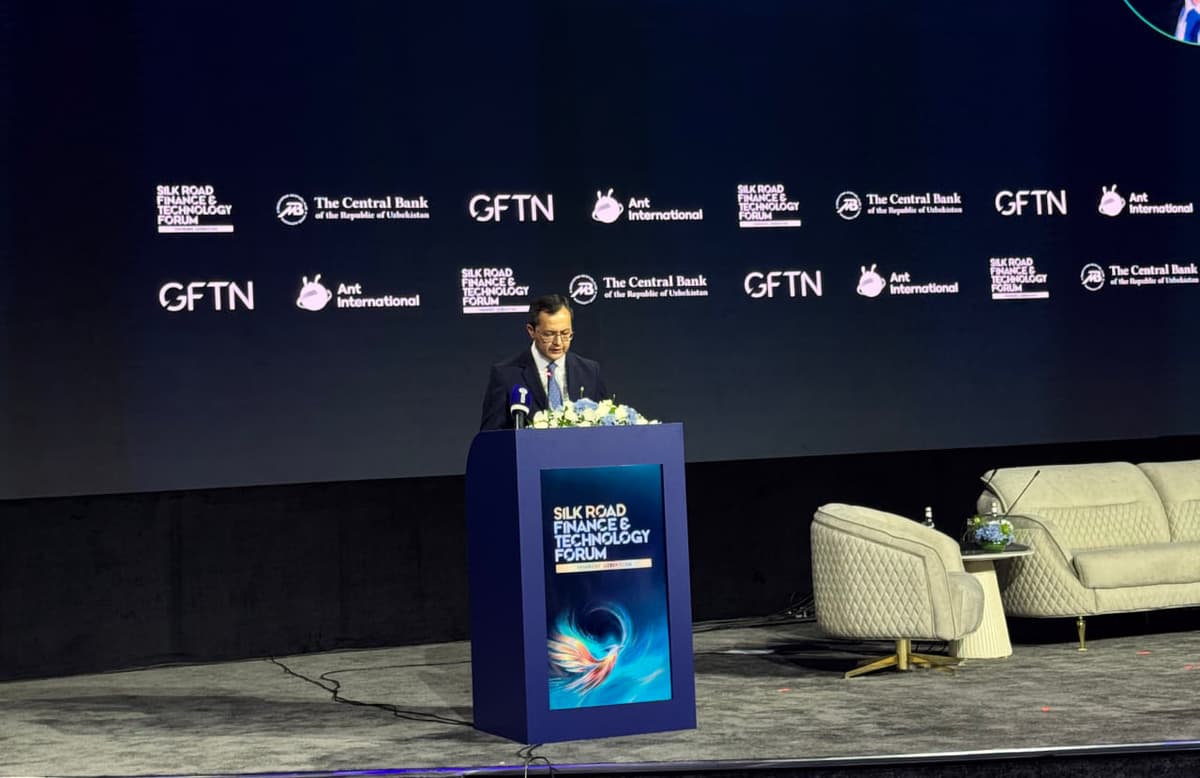
The regulator will first publish a concept paper outlining how a digital currency could be used in Uzbekistan, possible design options, the advantages and limitations of different approaches, and its potential impact on the financial system.
The findings will then be used to determine how to proceed with pilot testing and assess how a CBDC could support innovation and the development of the digital economy, Ishmetov said.
“During the forum, we will publish a concept paper on CBDC. It will assess potential use cases, design options, key trade-offs and implications for the financial system. We will use its conclusions to launch the pilot phase, test optimal approaches and assess how a digital currency could support innovation and the digital economy in Uzbekistan,” he said.
This means the Central Bank is not yet preparing to introduce a digital currency into circulation. Its immediate focus is on studying the technology, assessing possible applications and testing different approaches in practice.

Uzbekistan targets $1 billion in FinTech investment by 2030
Ishmetov said Uzbekistan is entering a new phase of financial-sector digitalization and FinTech development.
The country has developed its first national FinTech strategy and is strengthening the regulatory framework around the sector. The Central Bank is also upgrading its regulatory sandbox to provide a more effective environment for testing innovative financial products and services, including solutions offered by international partners.
The government aims to attract $1 billion in foreign direct investment to the FinTech sector and train 5,000 young specialists by 2030.
“We have developed our first national FinTech strategy and are strengthening the regulatory framework around it,” Ishmetov said.
A training program for 5,000 specialists is also being launched. The first group is expected to begin training by the end of this year under a program developed with universities in Singapore and the Global Finance and Technology Network (GFTN), combining academic knowledge with practical FinTech skills.
Ishmetov also said venture capital funding across Central Asia totaled nearly $320 million in 2025. He attributed the region’s growing potential to its young population, expanding digital connectivity and developing financial infrastructure.