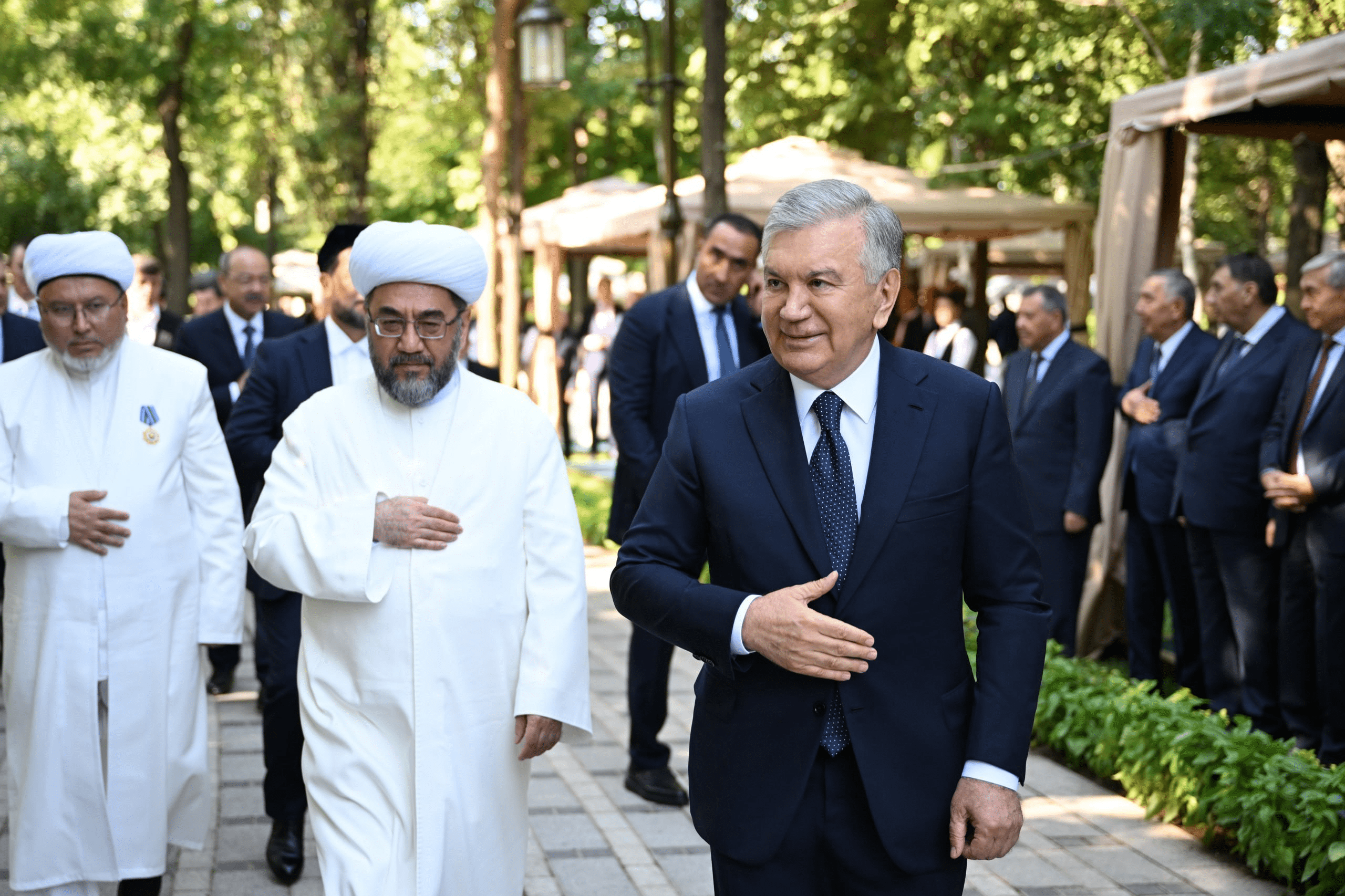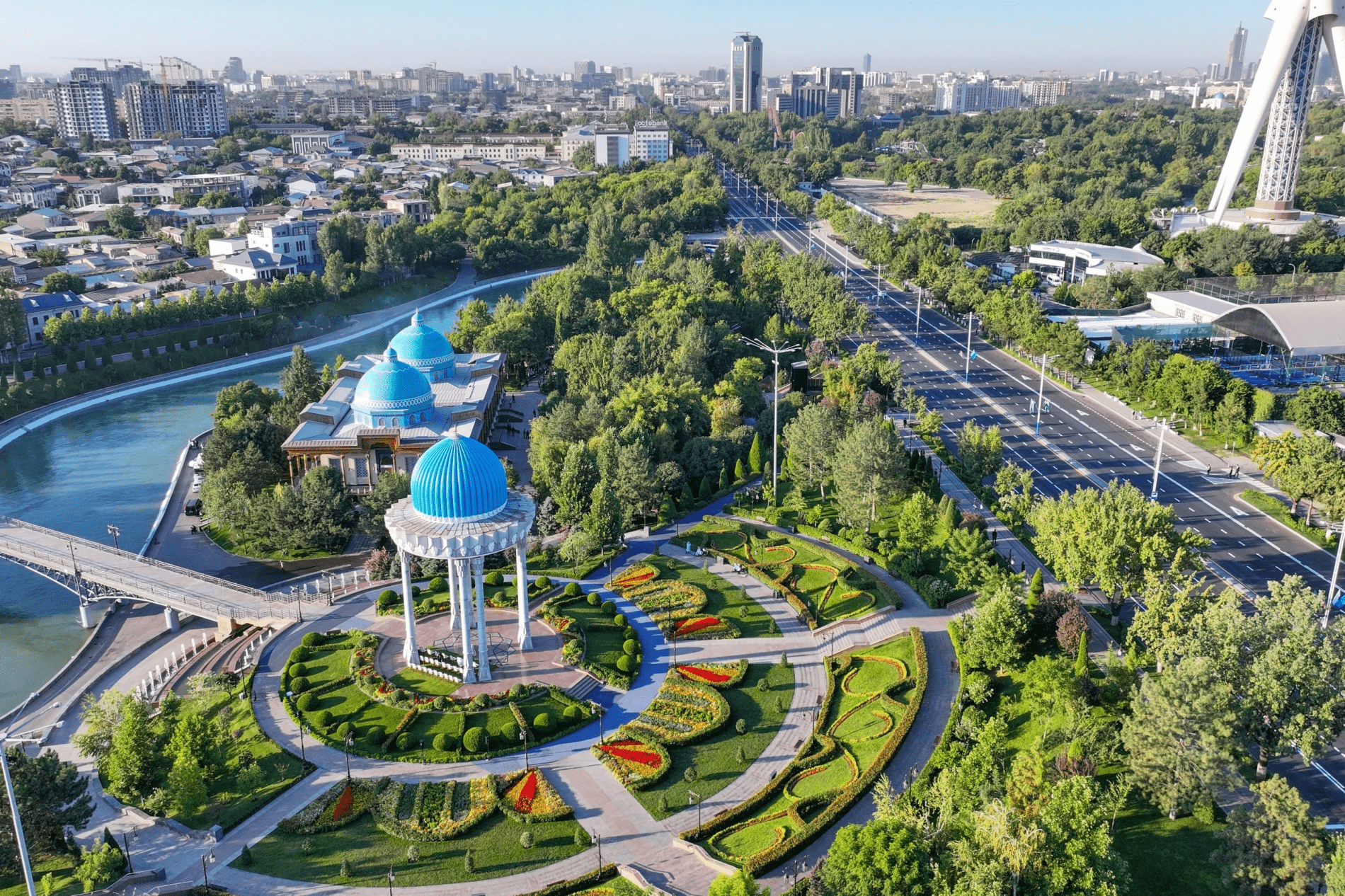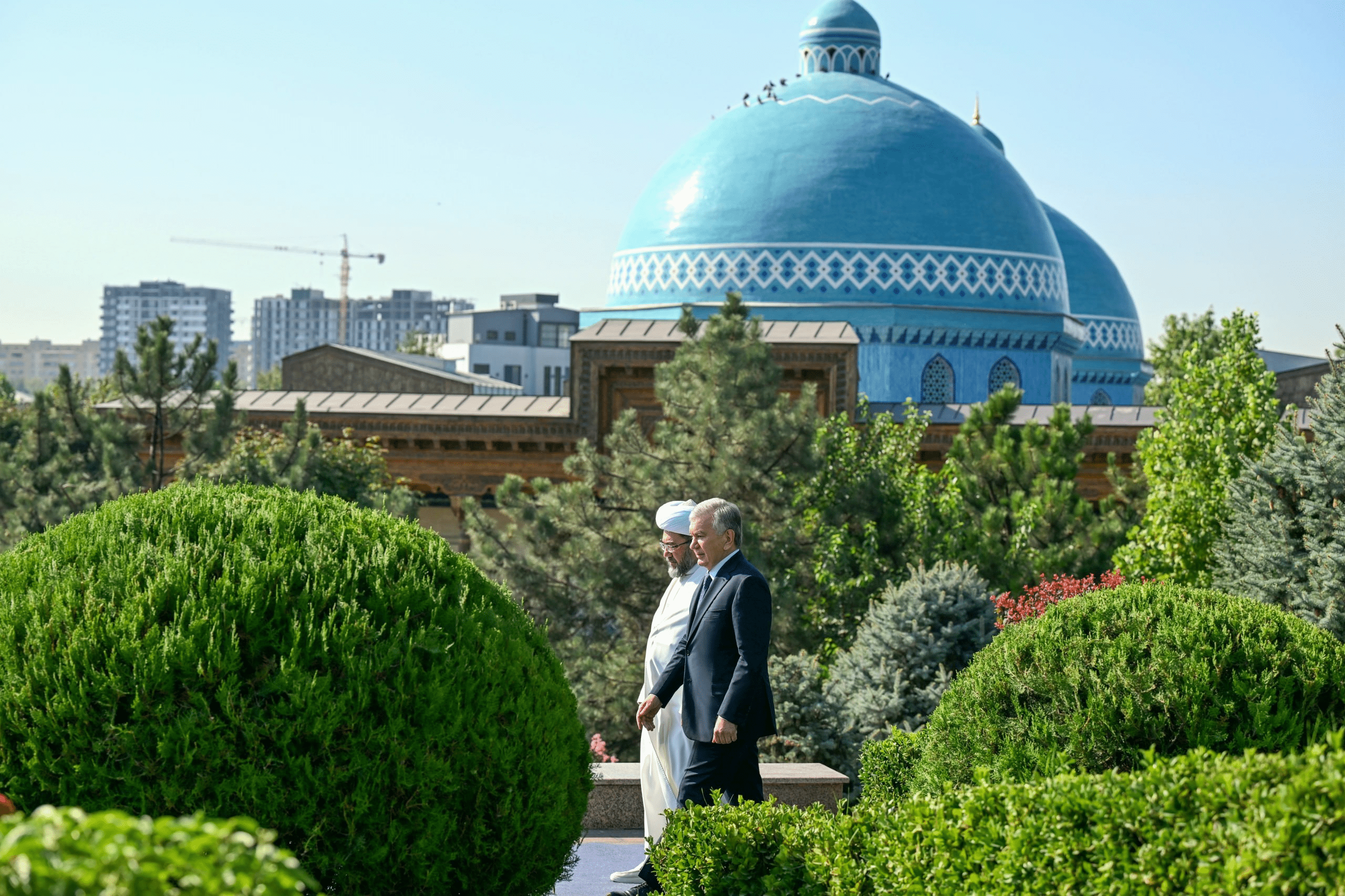
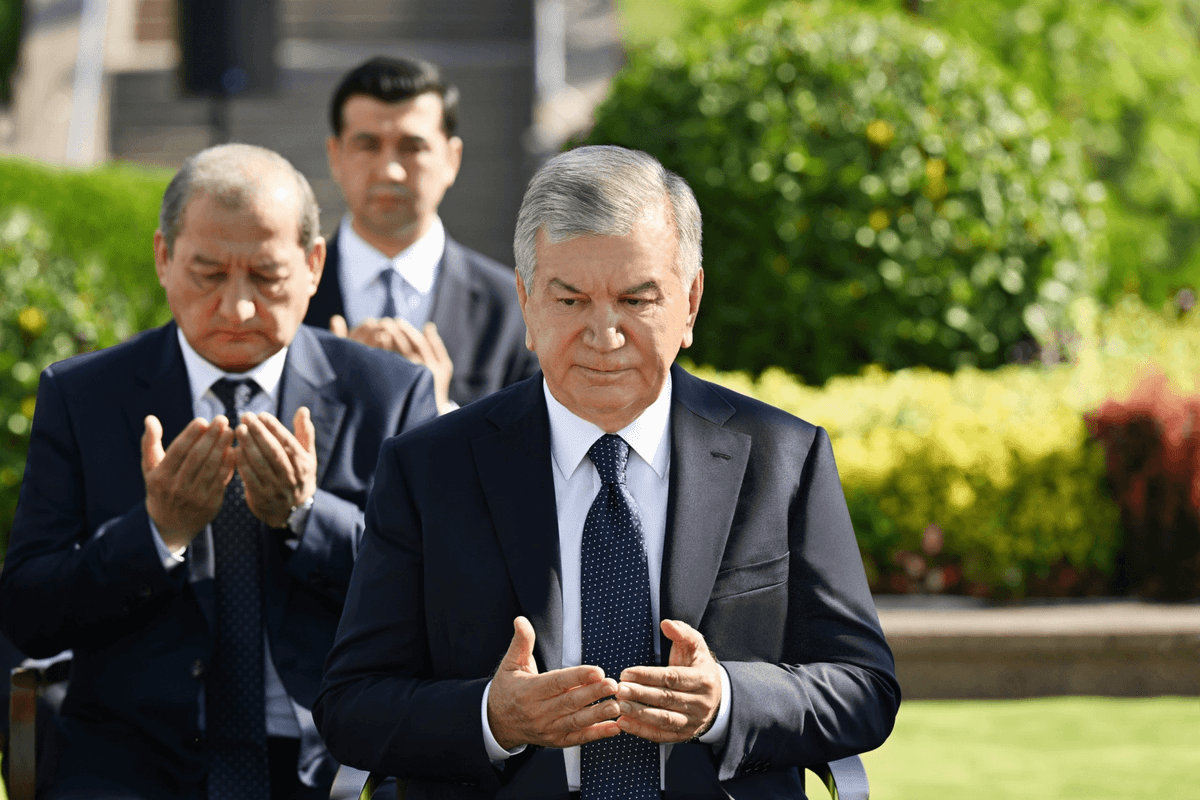
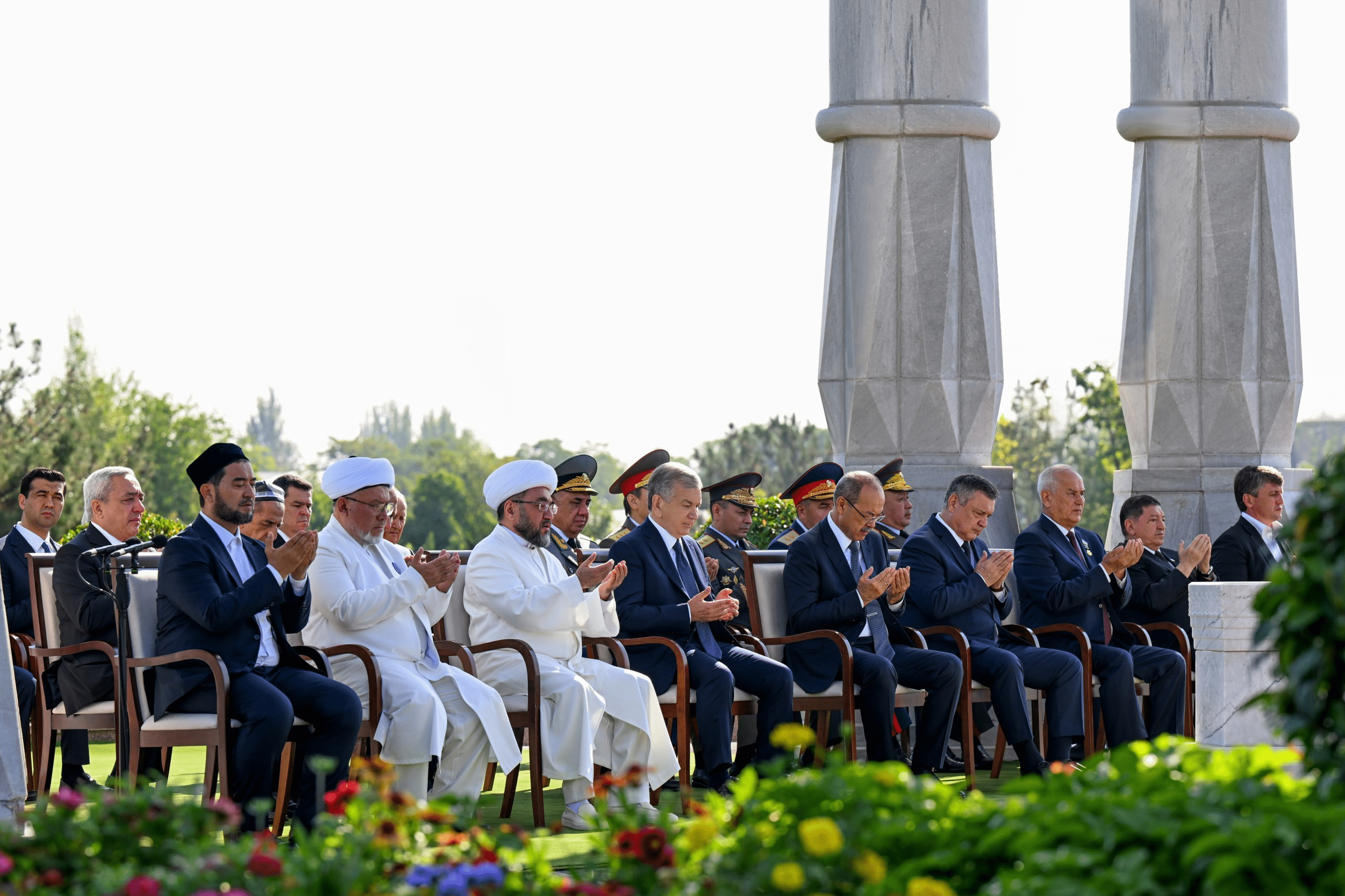
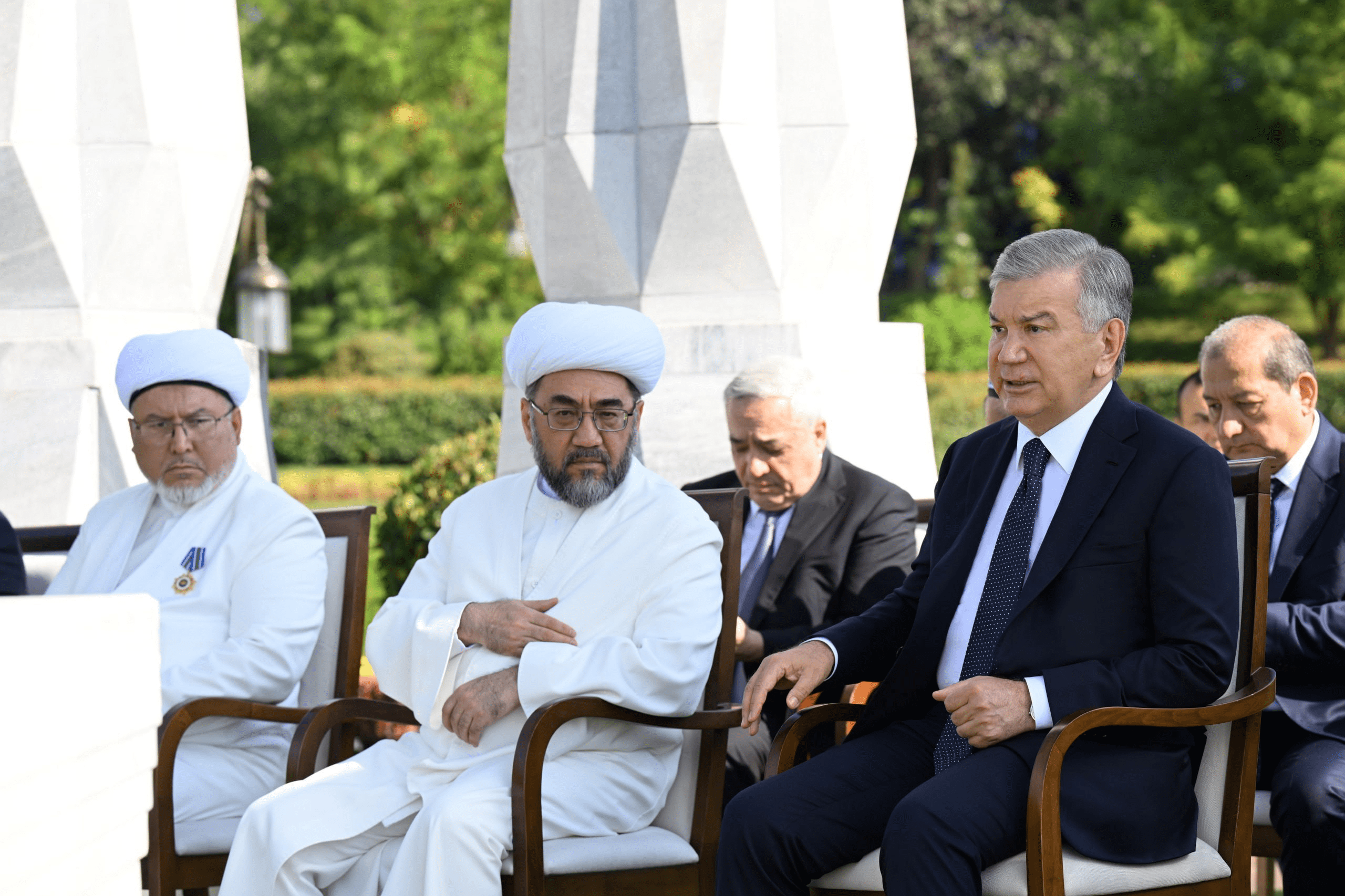
Mirziyoyev made the remarks on August 28 at the Memorial to the Victims of Repression in Tashkent, ahead of the Day of Remembrance of the Victims of Repression. The ceremony was attended by representatives of state and public organizations, religious scholars, elders and members of the intelligentsia.
Verses from the Quran were recited and prayers were offered for those who gave their lives for the country. The president also held talks with religious scholars and intellectuals on preserving historical memory, rehabilitating victims of repression and instilling patriotism in younger generations.
“As we prepare to celebrate the 35th anniversary of our independence together with our people, we live freely and prosperously under a peaceful sky, without dependence on anyone,” Mirziyoyev said. “This is a great blessing and a priceless treasure. On such momentous days, it is our sacred duty to remember our heroic ancestors who gave their lives for independence and freedom and to honor their memory.”
He said the courage and sacrifice of those who fought for the country would never be forgotten and would remain a source of moral strength for future generations.
Uzbekistan has expanded efforts in recent years to preserve the memory of repression victims and restore historical justice. The State Museum of Memory of the Victims of Repression at the memorial complex has been fully reconstructed, with its collection expanded and equipped with modern technology, including digital systems and artificial intelligence-based tools.
Museums dedicated to victims of repression in the Republic of Karakalpakstan and all regions have also been modernized, while their collections are being expanded with rare documents and photographs brought from different parts of the world.
Between 2021 and 2025, Uzbekistan’s Supreme Court rehabilitated more than 1,200 people who had been victims of political repression. This year, the names of another 161 people who were unjustly convicted, imprisoned for various terms or sentenced to death under the former authoritarian system were cleared.
The president also referred to the political persecution of thousands of Uzbeks in the 1980s during the so-called “Cotton affair” and “Uzbek affair”. Between 1983 and 1990, some 40,000 Uzbeks were investigated and 5,000 were held criminally liable under what the authorities now describe as fabricated accusations.