Closed dealership doors, opaque sales practices, artificial shortages and long waiting lists became familiar features of the market. At times, orders for popular models were opened only twice a year and for just a few hours.
That model is becoming increasingly difficult to sustain.
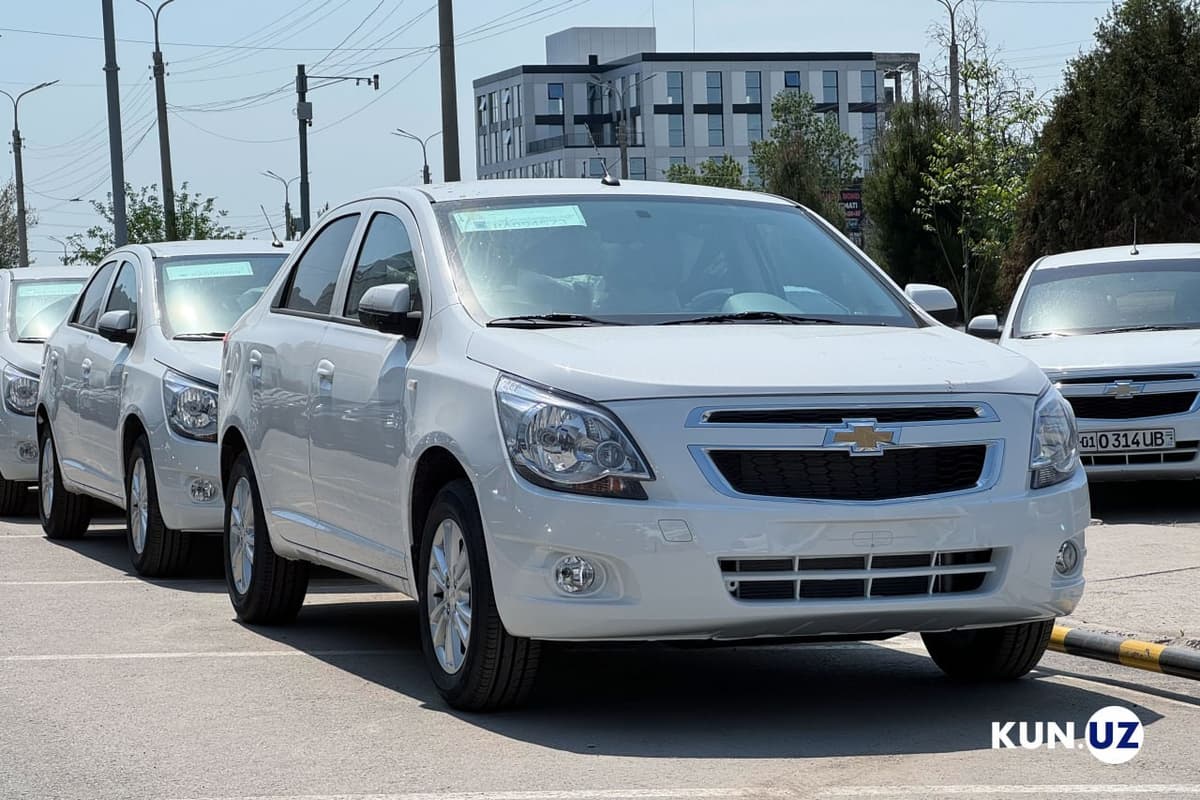
UzAuto Motors, the dominant player in Uzbekistan’s domestic car market, has recently expanded instalment plans to models including the Tracker, Onix and Damas. More significantly, the company has extended instalment sales to the Cobalt, one of the country’s most popular models. Buyers can pay 50% upfront and the remainder over 11 months without an additional charge.
The company has also cut prices, reducing the Cobalt’s price by UZS 15 million and the Captiva’s by UZS 45 million.
These moves are not simply about making cars more affordable. They reflect a market in which supply is expanding, consumers have more choices and the economic conditions that once supported high resale values are beginning to change.
More cars, less scarcity
The first major shift is the growth in domestic production.
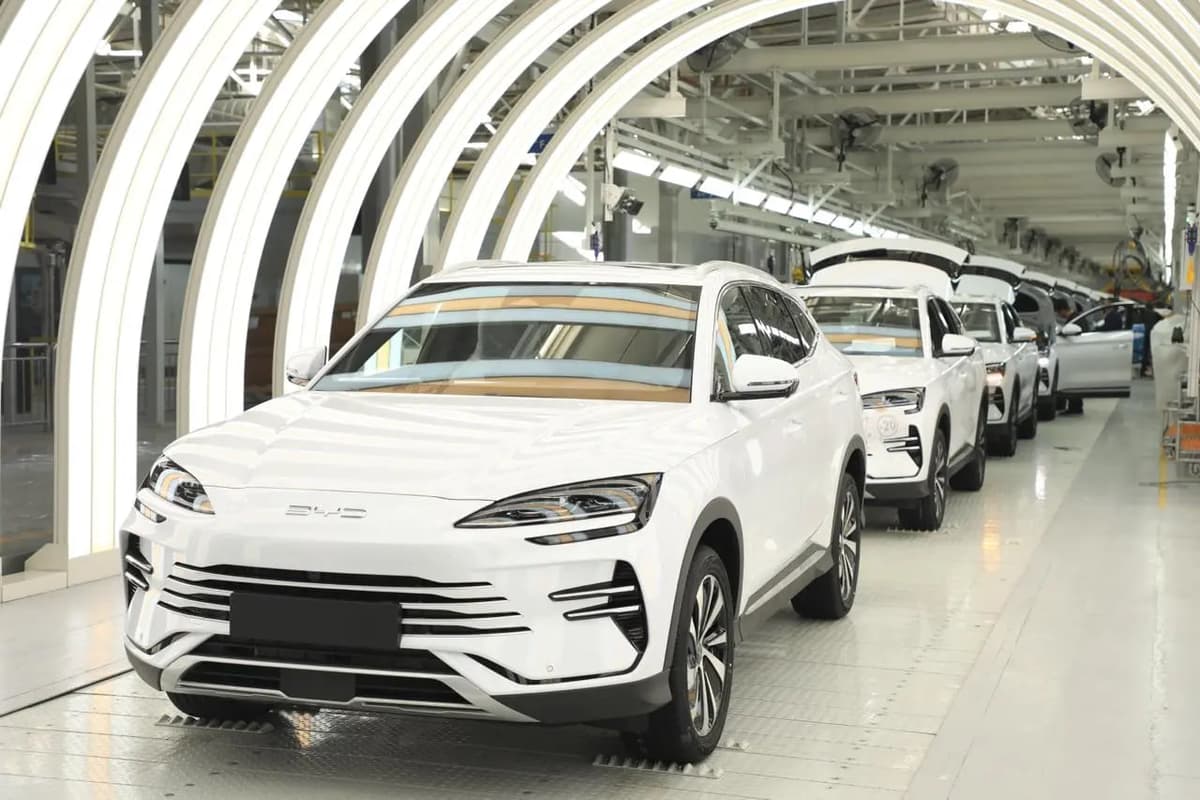
Uzbekistan produced 457,883 passenger cars in 2025, according to the National Statistics Committee – almost 3.5 times the 135,000 vehicles produced in 2017, based on earlier market data. Production has expanded rapidly since the mid-2010s, despite the disruption caused by the COVID-19 pandemic.
Car ownership has also become increasingly widespread. According to figures cited in the analysis, the number of passenger cars reached 61 per 100 households in 2026.
The result is a market moving away from the chronic shortages that once defined it. When supply is tight, buyers compete for cars. As supply grows, manufacturers have to compete for buyers.
That shift is already becoming visible in sales practices.
A car is becoming a depreciating asset again
For years, owning a car in Uzbekistan meant more than having a means of transportation. Vehicles on the secondary market often functioned as a form of investment.
A newly purchased car could rise in value almost immediately, while a one- or two-year-old vehicle could sometimes be resold for close to the price of a new one. For households seeking to preserve their savings amid inflation, cars offered a relatively liquid store of value.