President Shavkat Mirziyoyev has signed a decree on additional measures to develop the transport and logistics system, the Ministry of Justice said.
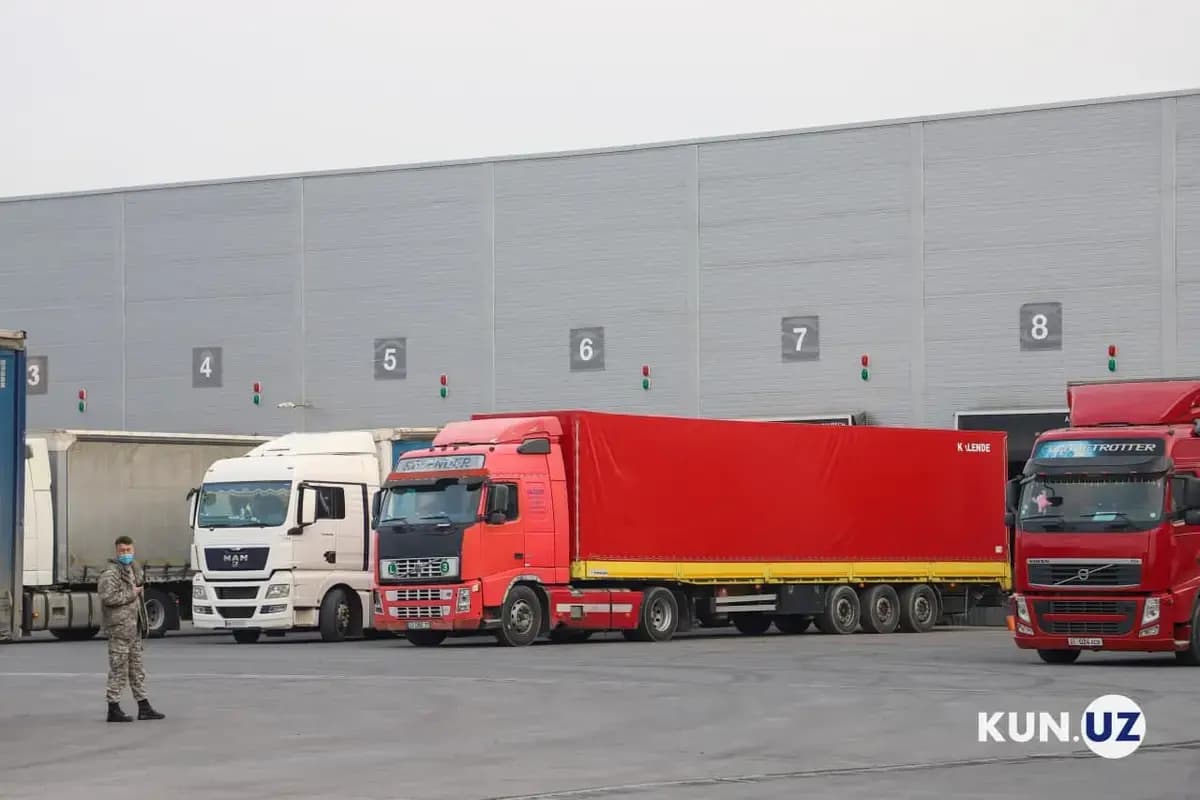
The decree sets targets for the sector through 2030, including increasing the annual capacity of transport and logistics centers to at least 40 million tons. Exports of transport and logistics services are expected to reach $3.5 billion, while transit cargo traffic through Uzbekistan is projected to rise to 18.5 million tons.
The number of international dry ports meeting all established requirements will increase from 24 to 30. The capacity of border checkpoints and container handling facilities at transport and logistics centers is also set to double.
Five areas to specialize in logistics
The document identifies five areas for specialization in transport and logistics: Khanabad in Andijan region, Alat district in Bukhara region, Termez district in Surkhandarya region, and Yangiyul and Akhangaran districts in Tashkent region.
Transport and logistics centers will introduce terminal operating systems (TOS) and warehouse management systems (WMS). By the end of 2030, they are to be connected to the Transport Ministry’s E-logistika platform.
The government will also provide tax and customs incentives to support the sector. Transport and logistics centers that meet specified requirements will be exempt from land and property taxes until 2040. To qualify, a center must be included in the United Nations Economic and Social Commission for Asia and the Pacific (ESCAP) Intergovernmental Agreement on Dry Ports, use the required management systems and hold a rating of at least BB on the E-logistika platform.
Until August 1, 2029, registered transport and logistics centers will be exempt from customs duties and mandatory certification requirements when importing warehouse equipment, loading and unloading machinery, units and spare parts that are not produced in Uzbekistan.
The decree also provides temporary customs relief for vehicle manufacturers. Until December 31, 2027, companies producing vehicles in categories M2, M3 and N will be allowed to import components not manufactured domestically without paying customs duties.