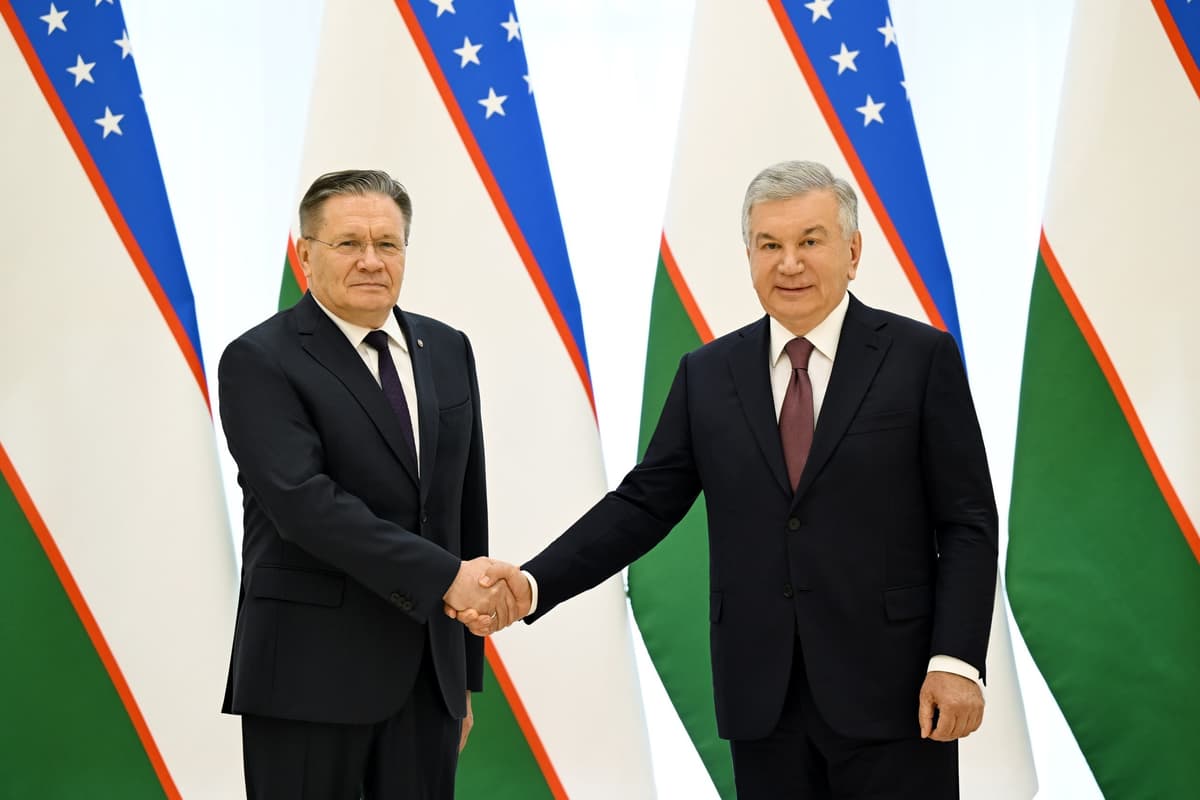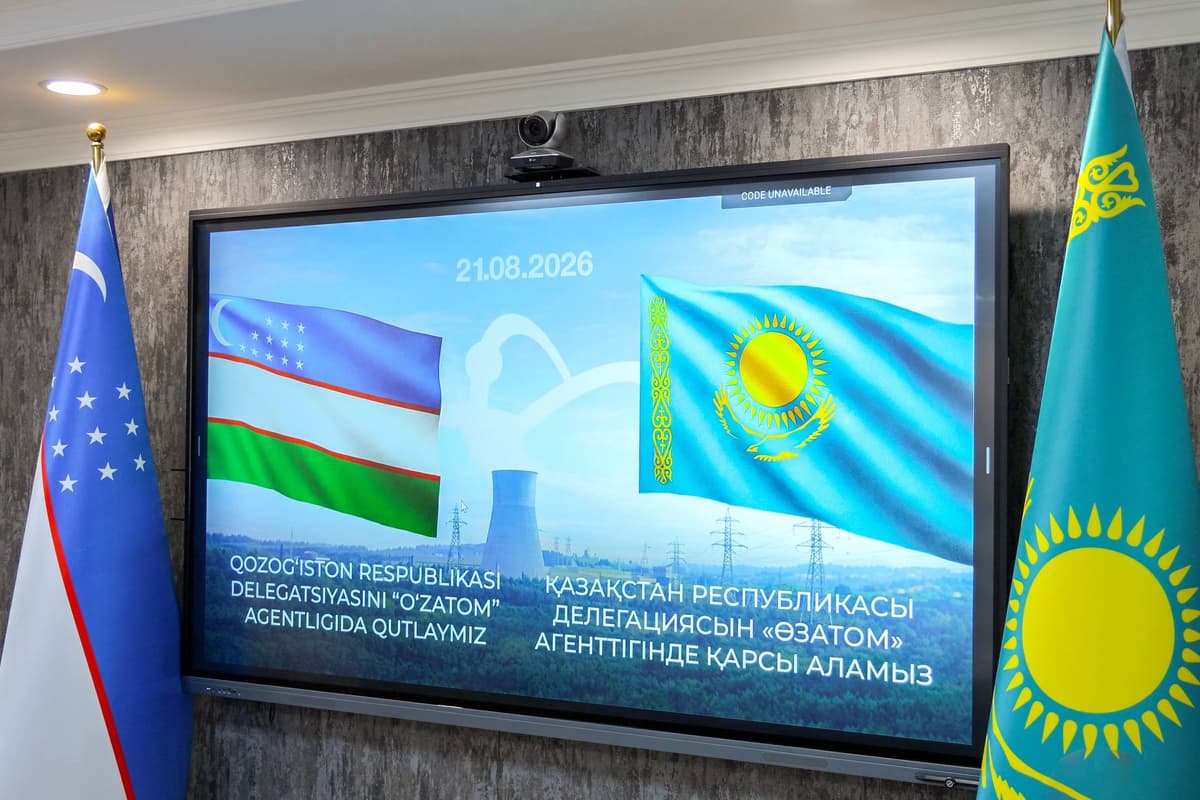
The agreement was reached at a meeting between delegations from the two countries on August 21, Uzbekistan’s Atomic Energy Agency, Uzatom, said. The sides agreed to take joint measures and develop a roadmap for cooperation.
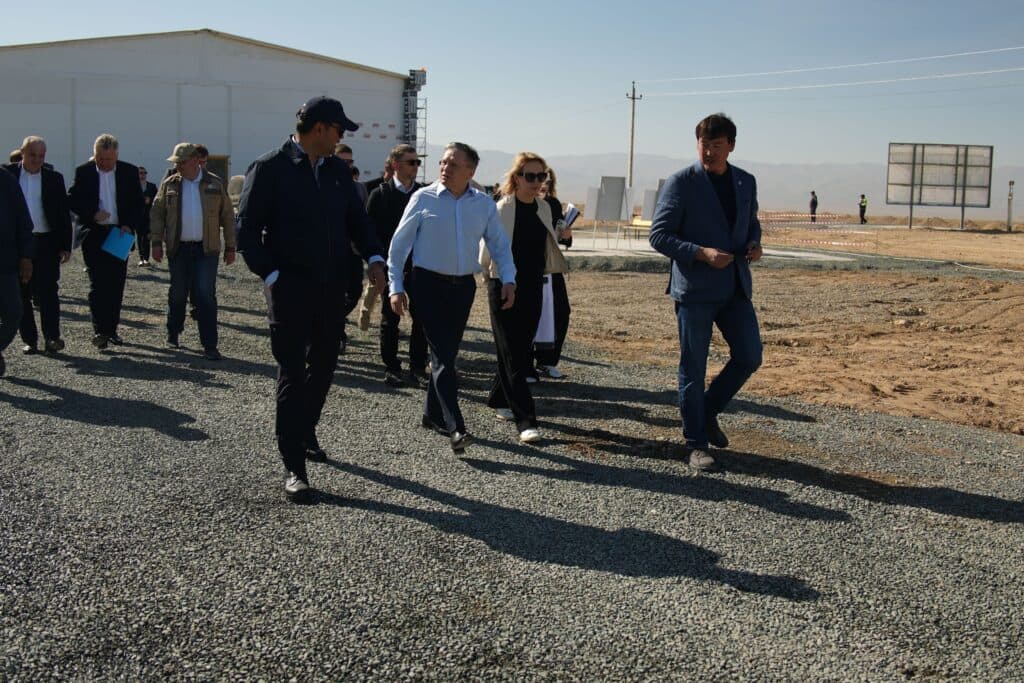
During the meeting, the Uzbek side briefed Kazakh officials on the design, site investigation and preparatory work being carried out for the country’s first nuclear power plant. It also shared its approaches to ensuring nuclear and radiation safety and monitoring the environmental impact of the project.
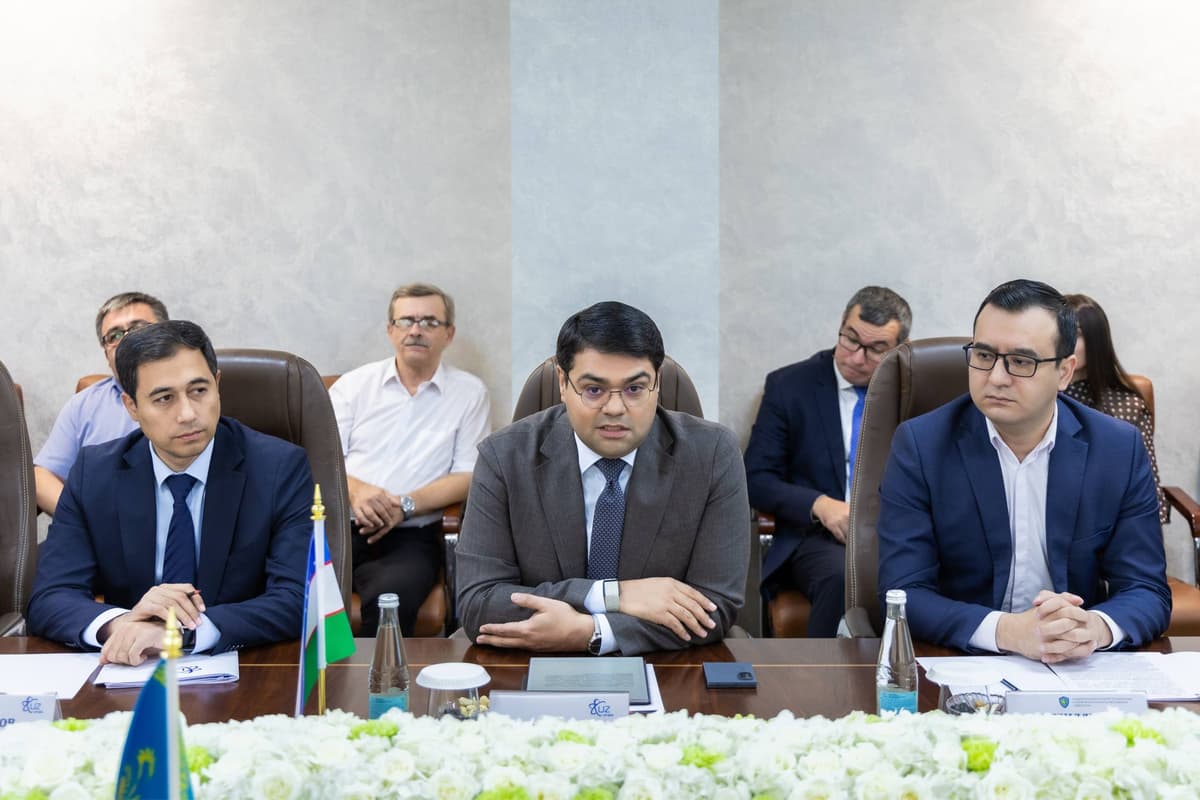
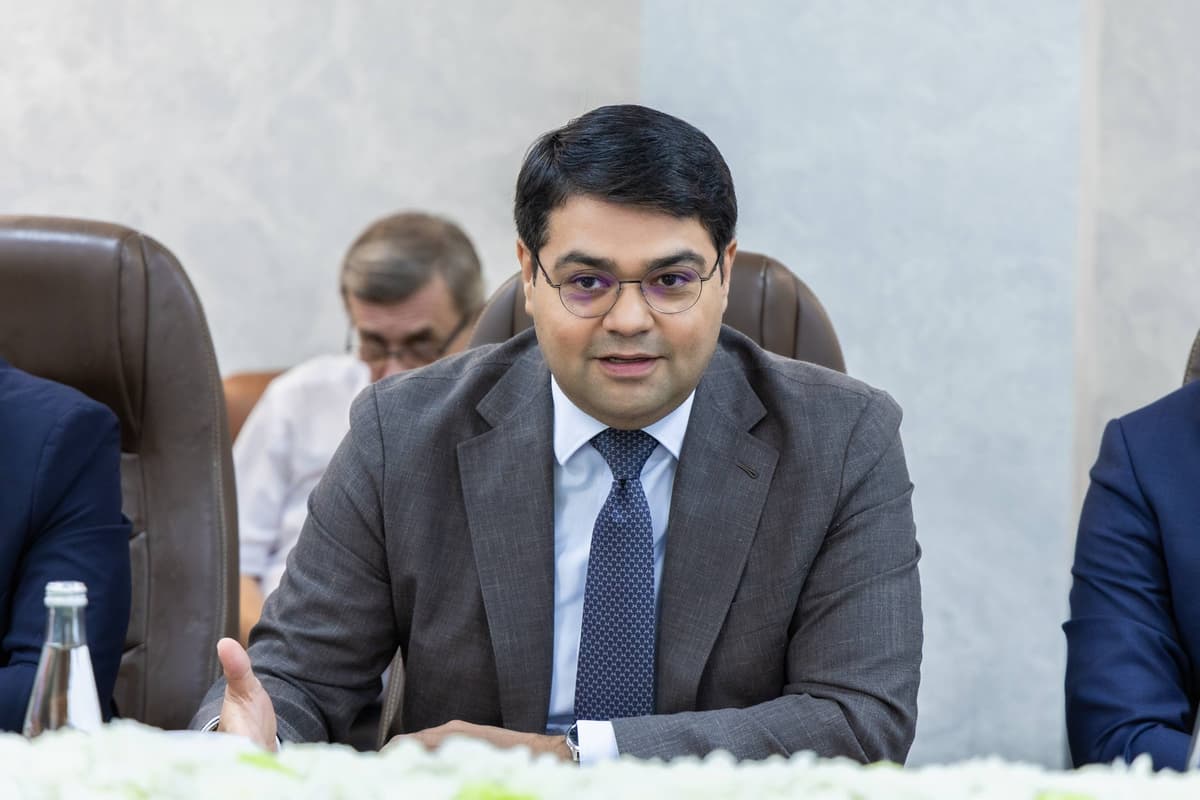
“Safety is an unconditional priority of Uzbekistan’s national nuclear program,” Uzatom Director Azim Akhmedkhodjaev said. “We are consistently developing a system of nuclear, radiation and environmental safety in line with national legislation and international standards.”
He said open dialogue with neighboring countries, particularly Kazakhstan, would help strengthen mutual trust and ensure that regional factors are taken into account at every stage of the project.
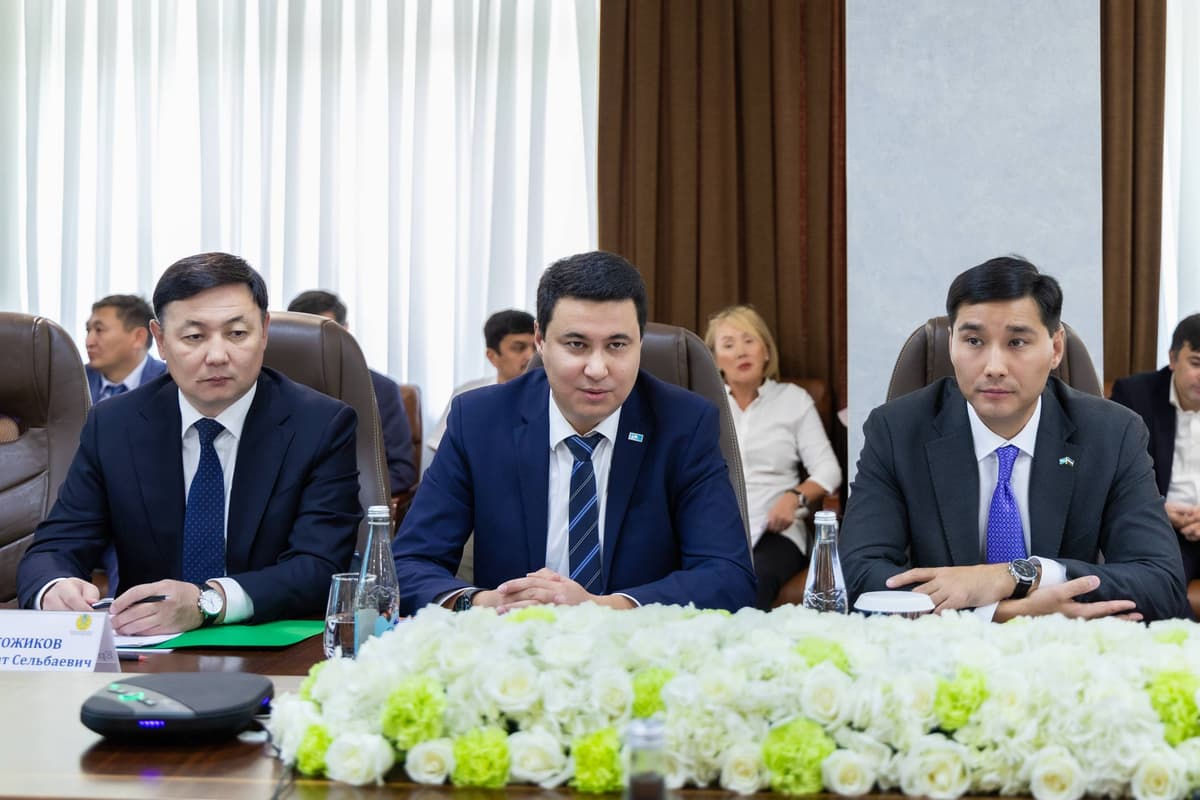
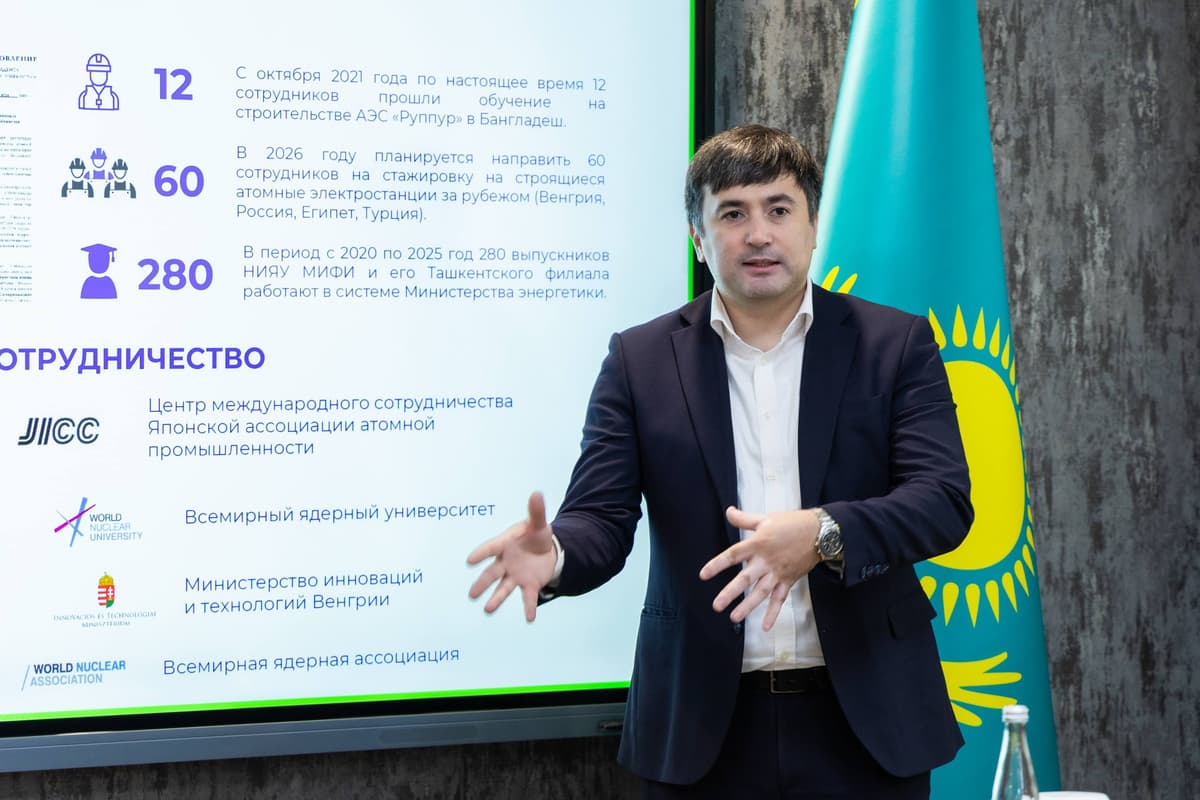
The Kazakh delegation raised questions about the technical and environmental aspects of Uzbekistan’s nuclear power plant project, which were addressed by representatives of the Uzbek ministries of Energy, Ecology and Emergency Situations. The sides also separately discussed training specialists for the nuclear industry.
Kazakhstan’s Vice Minister of Ecology and Natural Resources, Mansur Oshurbayev, said his country was interested in the safe and sustainable development of nuclear energy in the region.
“Sharing experience in environmental protection, transparency in our approaches and coordinated action serve the interests of both countries and the people of Central Asia,” he said, adding that the talks reflected the high level of strategic partnership between the two countries.