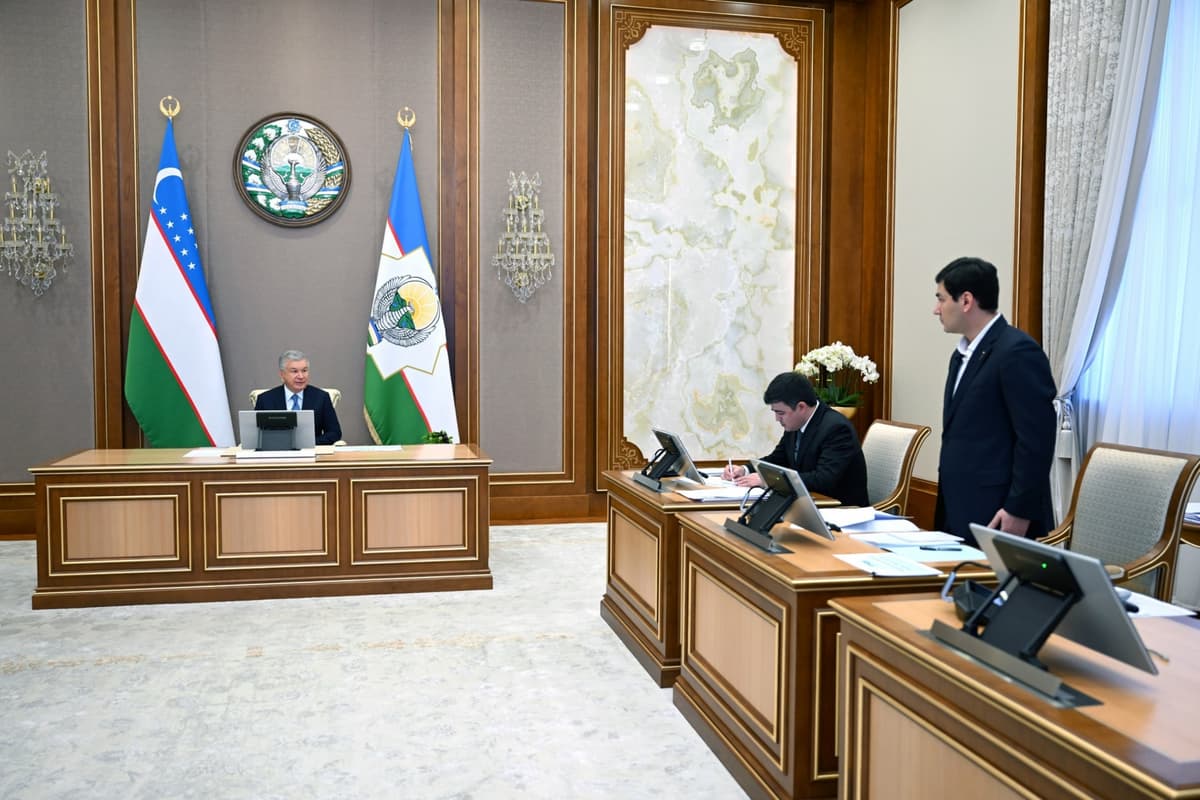
President Shavkat Mirziyoyev reviewed plans for 2026 and beyond at a November 5 presentation on the development of state-owned uranium producer Navoiyuran and UzTMK, the presidential press service reported.
The meeting noted that the global market for critical minerals is growing rapidly, at an average annual rate of 10%. To capitalize on this trend, Uzbekistan plans to make greater use of its mineral resource base, expand the production of higher-value-added goods and increase export potential.
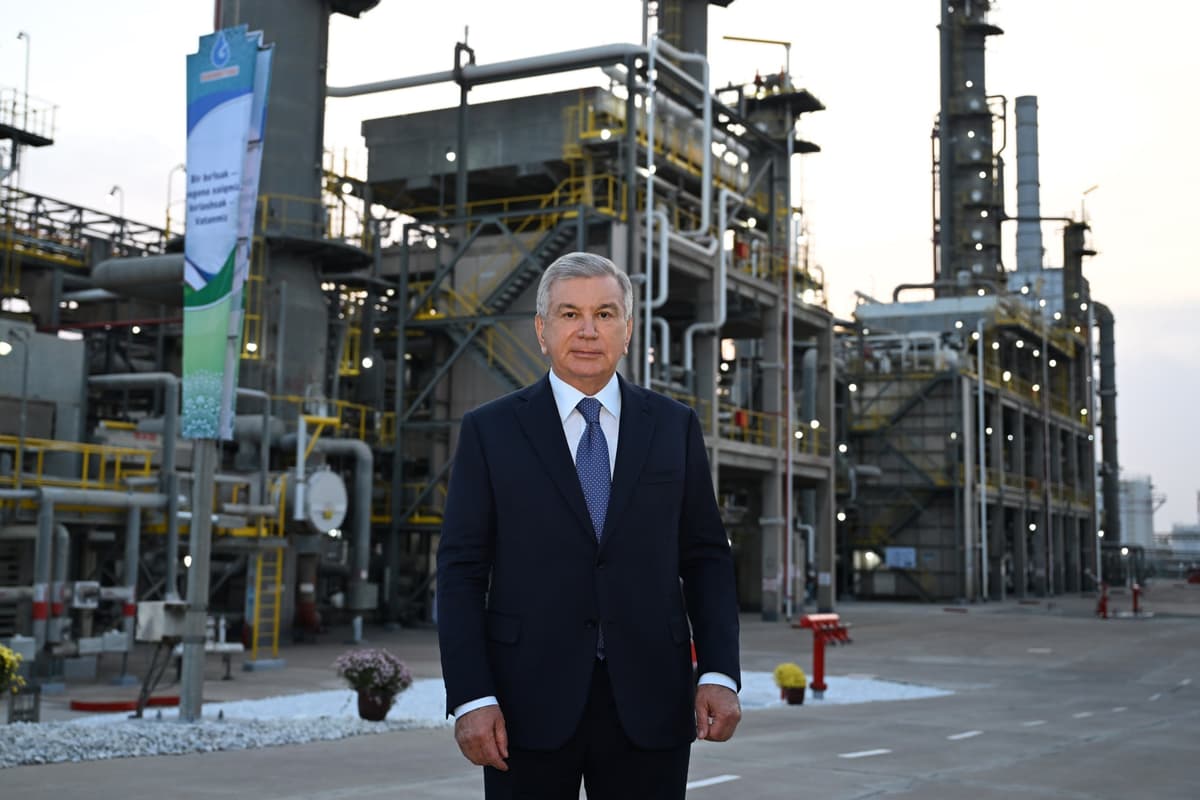
UzTMK is expected to launch 12 investment projects by the end of this year, expand its range of localized products and increase production of high-purity selenium and tellurium.
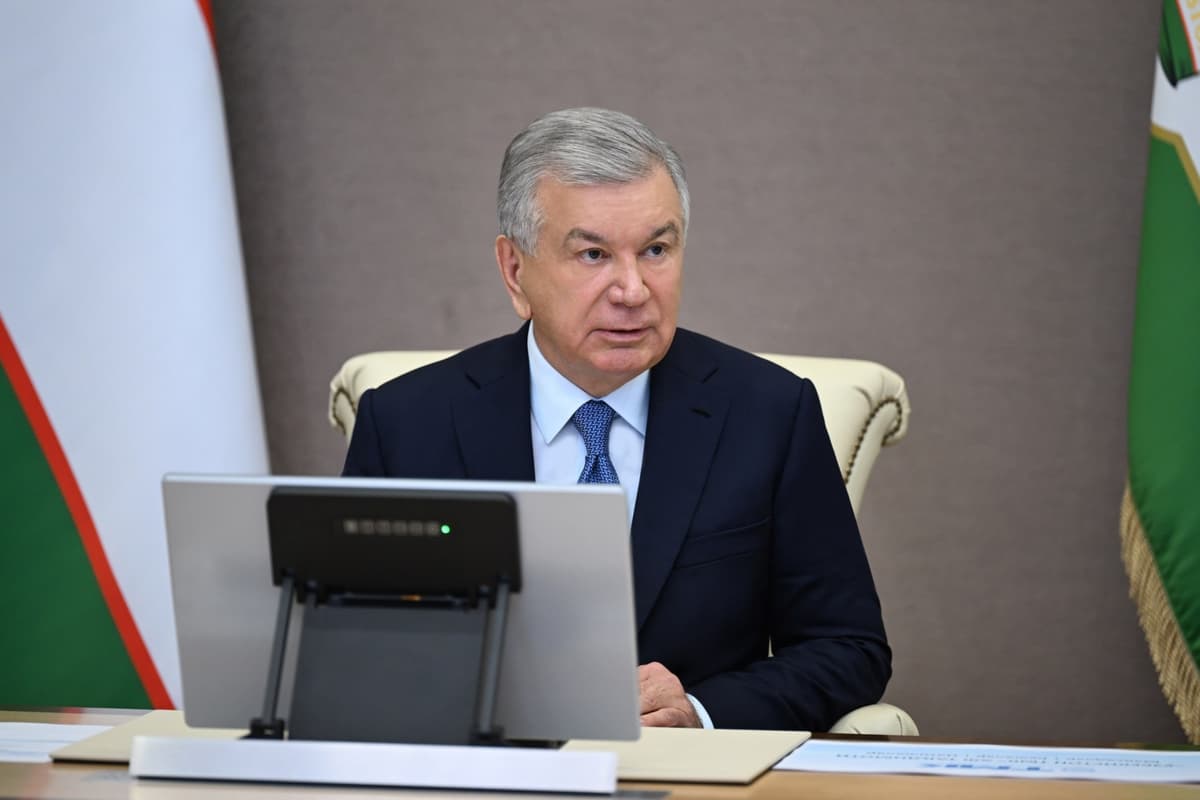
Mirziyoyev instructed officials to accelerate promising critical minerals projects. In addition to the five minerals already being produced – tungsten, molybdenum, selenium, tellurium and rhenium – the country plans to develop production of 11 more: nickel, cobalt, graphite, antimony, tin, manganese, platinum, vanadium, mercury and copper.
Particular attention was given to major projects aimed at deep processing of tungsten. Uzbekistan plans to attract $1.1 billion in investment for these projects and increase production in this segment to $2.2 billion by 2030.
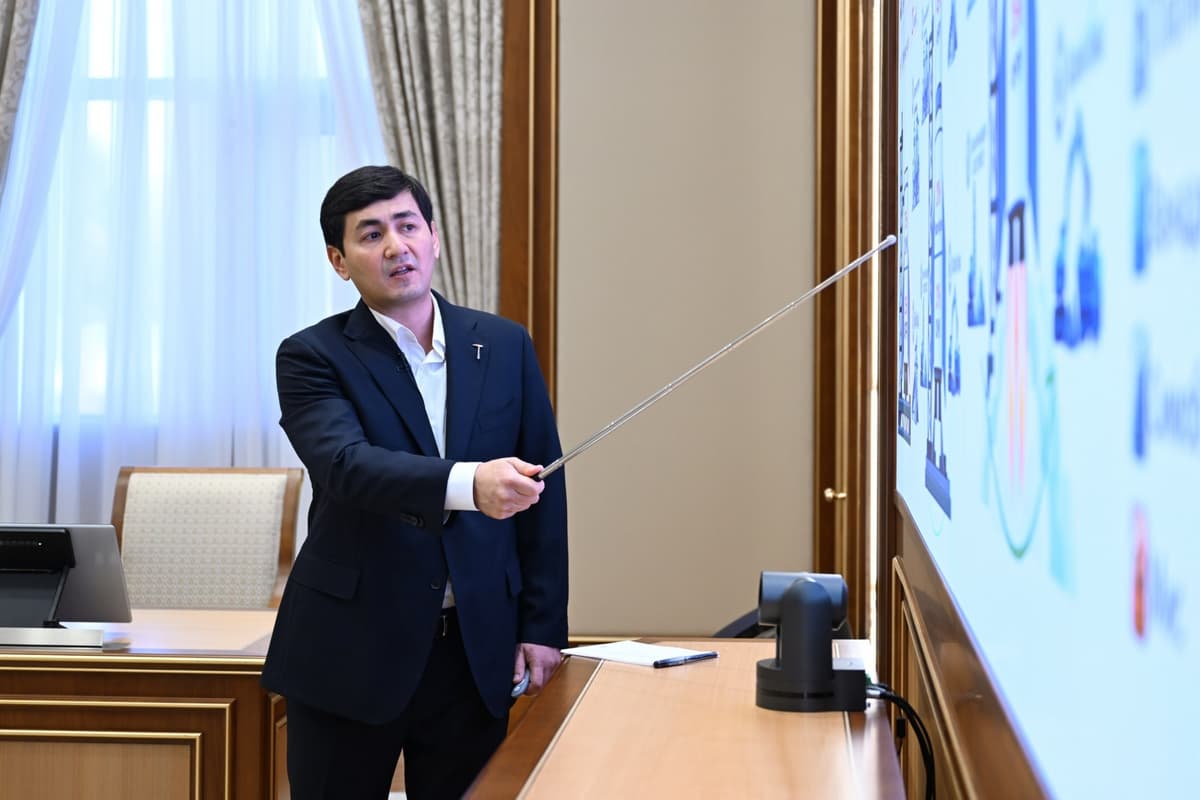
More broadly, the government has set a target of raising the value of production across all 16 critical mineral categories to $2.7 billion within the next three years.
The presentation also covered proposals to develop promising rare earth deposits, expand UzTMK's resource base and accelerate investment projects.
The president emphasized the importance of introducing scientific advances into the industry and identifying new mineral reserves.