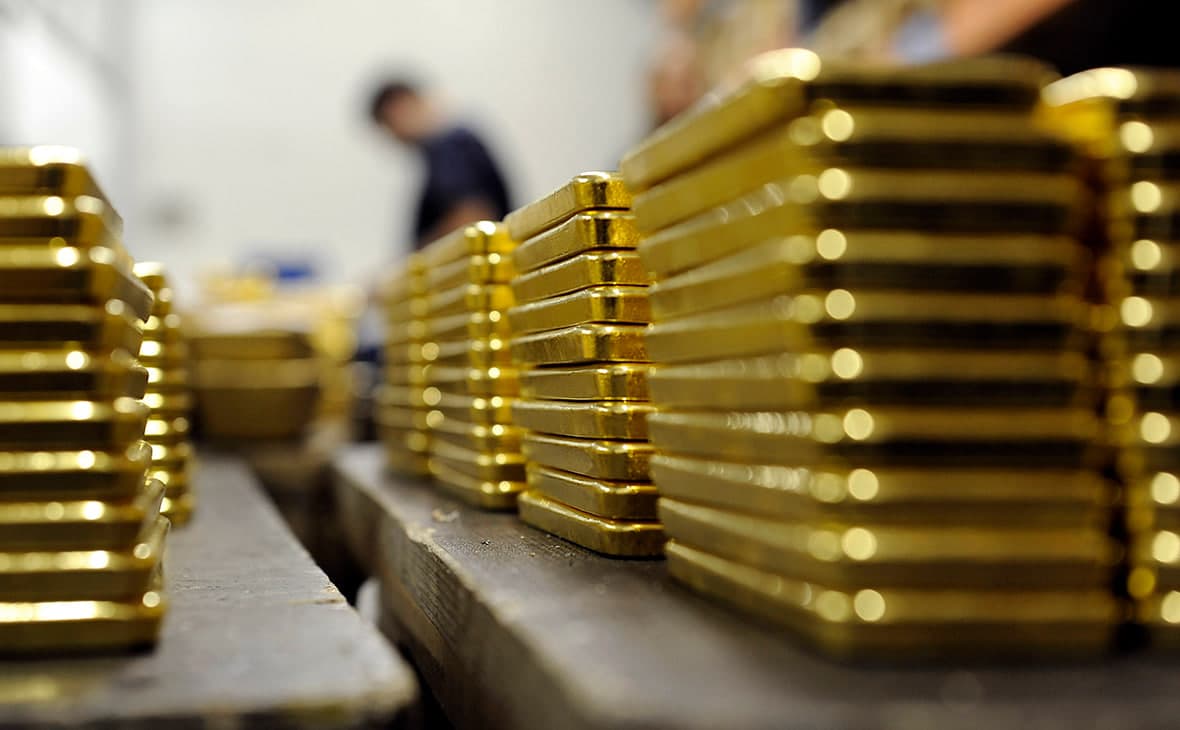
According to the World Gold Council (WGC), central banks reported net gold purchases of 228 tonnes between January and September, down 7% from the same period in 2025.
Poland was the largest buyer in September, adding 25 tonnes to its reserves, followed by China with 23 tonnes and Uzbekistan with 7 tonnes.
Other buyers included Kazakhstan’s Central Bank, which purchased 5 tonnes, Jordan with 4 tonnes, the Czech Republic with 2 tonnes and Bolivia with 1 tonne. Russia was the largest seller, reducing its gold reserves by 6 tonnes.
Global gold demand rises in value despite slight decline in volume
Total global gold demand reached 1,369 tonnes in the third quarter of 2026, down 1% year on year. However, its value increased by 22% to $188 billion. The average gold price during the quarter stood at $4,262 per troy ounce.
Central banks and other official institutions purchased 321 tonnes of gold between July and September. This was 42% more than a year earlier and the highest quarterly total since the fourth quarter of 2024.
Their cumulative purchases reached 675 tonnes in the first nine months of the year, up 6% year on year.
According to the World Gold Council, reserve diversification and risk management remain key factors driving gold purchases by central banks and other official institutions.