





Additional features
-
Night mode

UN predicts a 38% decline in global investment in CIS countries
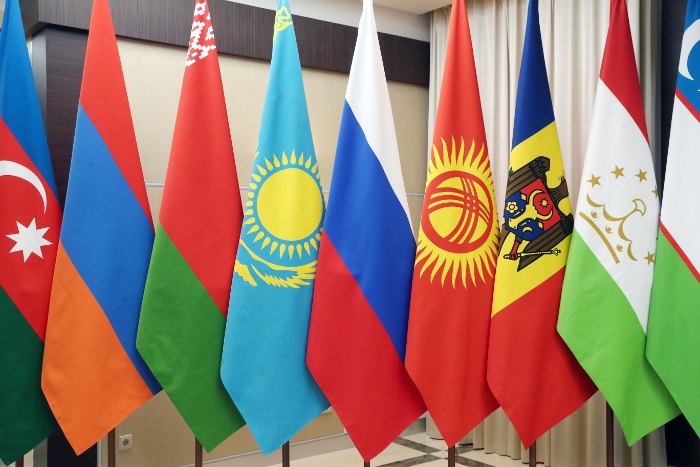
Foreign direct investment flows to the transition economies of South-Eastern Europe and the CIS will decline by about 38 percent in 2020, follows from the report of the UNCTAD.
“The pandemic has caused a recession in the transition economies, which affects the inflow of market-oriented foreign direct investment,” said James Zhan, UNCTAD Director of Investment and Enterprise unit.
With the outbreak of coronavirus in 2020, global foreign direct investment (FDI) flows will decrease by 40 percent compared to last year. Developing countries will suffer most. In addition, experts believe that not all countries will be able to recover immediately.
In 2019, global foreign direct investment (FDI) amounted to $1.5 trillion, and today it is less than $1 trillion – the lowest level since 2005. Moreover, investment flows are projected to decline by another 5 to 10 percent in 2021, and a noteworthy recovery is not expected before 2022.
“Recovery forecasts are extremely uncertain. Everything depends on the duration of the crisis and the effectiveness of the policies mitigating the economic consequences of the pandemic,” Secretary-General of UNCTAD Mukhisa Kituyi said.
In the CIS countries, experts forecast a sharp decline in investments in extractive industry projects, as demand for commodities is weakening and oil prices – one of the main export commodities of Azerbaijan, Kazakhstan, the Russian Federation and Uzbekistan – remain at a very low level.
Export-oriented projects will also be seriously affected. The situation in the automotive industry, particularly in countries that produce component parts, can be extremely difficult as well.

Related News

12:21 / 14.07.2026
Rising obesity could cost Uzbekistan $21.6 billion by 2060, experts warn

12:28 / 10.07.2026
World Bank: Uzbekistan could attract up to $6.4 billion in private investment through sector reforms

11:52 / 10.07.2026
Japanese company proposes energy-efficient heating upgrade for Uzbekistan's greenhouses

11:41 / 10.07.2026