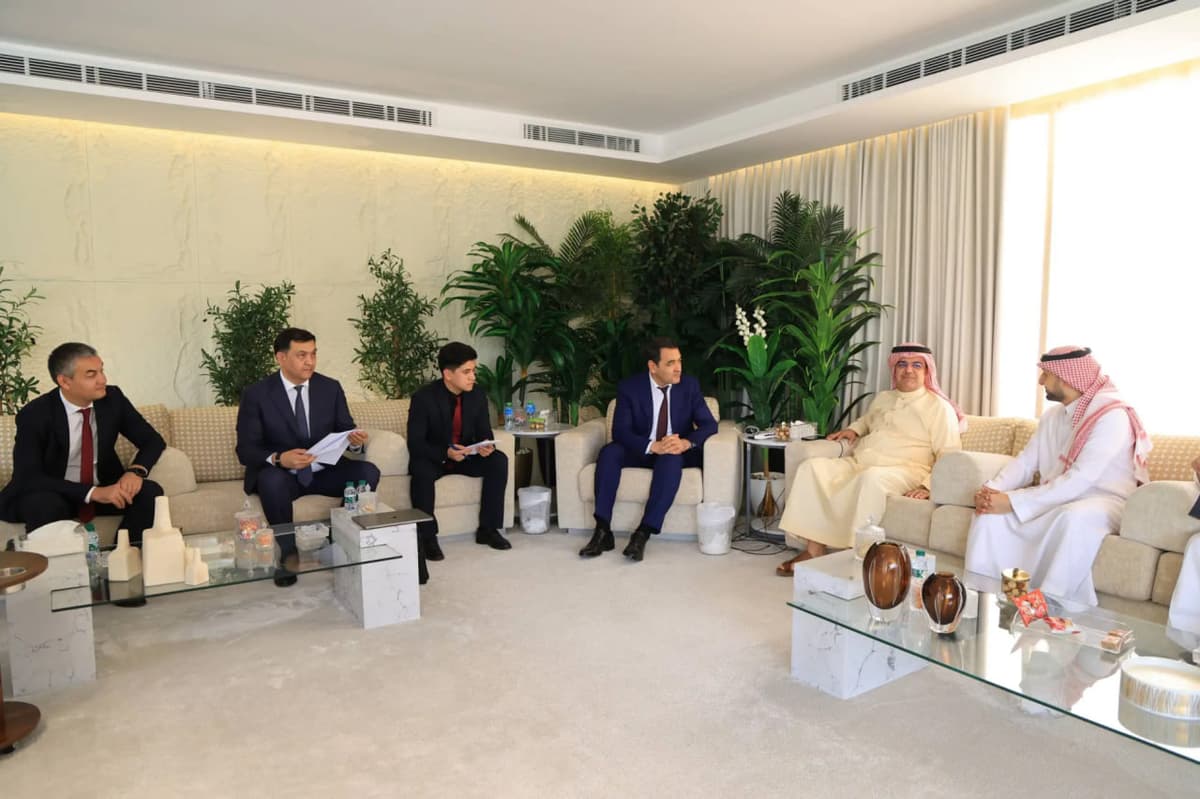
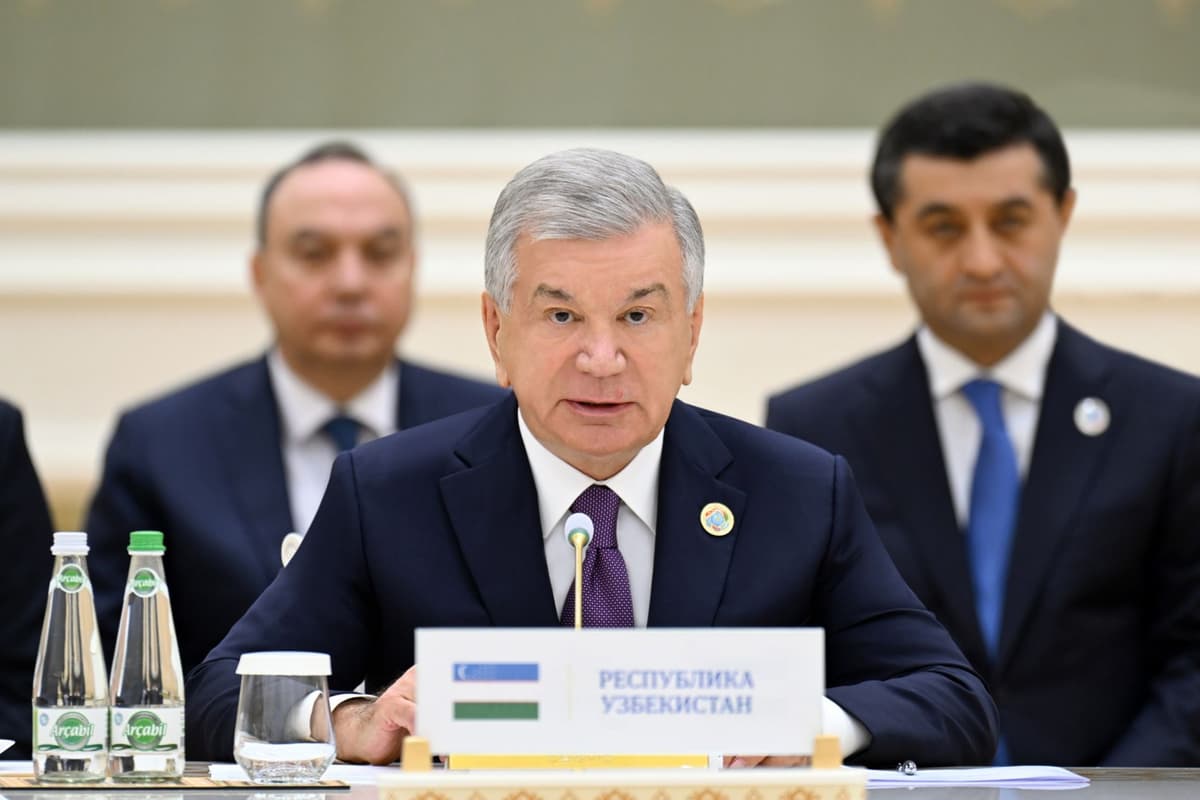
From May 27-29, an international conference on climate change took place in Almaty, Kazakhstan. It was attended by several official representatives from Central Asian countries, journalists, and experts from international organizations.
Panel sessions on a variety of topics were arranged as part of the conference. One of these sessions was attended by Rieks Bosch, an international expert on natural resources and economics, who spoke to a Kun.uz reporter about the Kushtepa canal being constructed by the Taliban government and its impact on Uzbekistan.
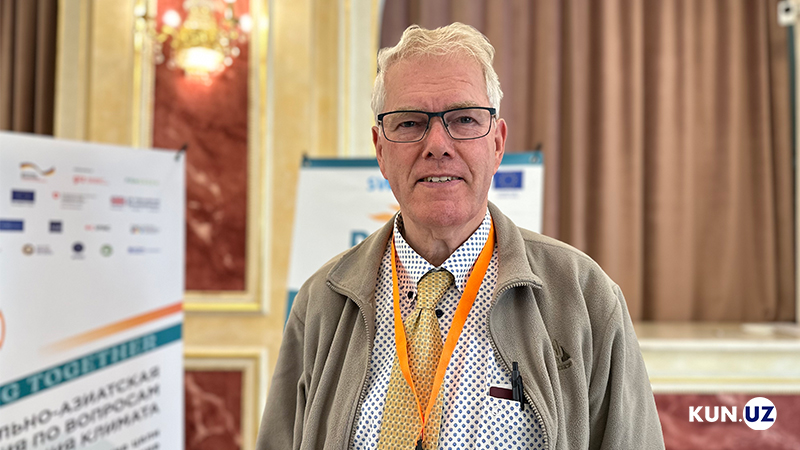
Bosch stated that the negative impact of this project on Uzbekistan outweighs any positives, its realization could result in significant water wastage and intensify water scarcity as well as increase water prices in agricultural sectors.
"The construction of the Kushtepa canal is a very interesting topic. It was first explored by the British in 1950, then later by the Russians, and finally, the Americans wanted to give it a 'little push.' Ultimately, Afghanistan took on the project, despite not having the funds for it. Building the canal is not an issue; the major problem lies with the losses in the canal.
The Taliban had planned to divert 20 percent of the water from the Amu Darya into the canal. If they proceed with this, the use of the Amu Darya water by Khorezm and Karakalpakstan would need to be reduced by 50 percent. At first glance, this could be partly achieved by increasing efficiency, but it will definitely create quite a shortage for farmers. In any case, Uzbekistan will suffer.
As previously mentioned, building the canal is easy, but establishing an irrigation system is ten times more difficult. Whether or not the Taliban government can do this is the biggest question that needs to be answered. The foundation of this construction lies in the methodology of building structures. It seems very simple to hear; you would think you just need to dig. But for this, the irrigation scheme must be worked out very precisely and in detail. It's more complex than one might think.
I believe the Taliban will face difficulties. For instance, when water is released into rows for irrigation, it is very difficult to evenly distribute the water. Managing all this is not easy; the Taliban will need to put in more effort to operate than to build the canal. If this system is not developed, at least 30-40 percent of water along the canal could be wasted.