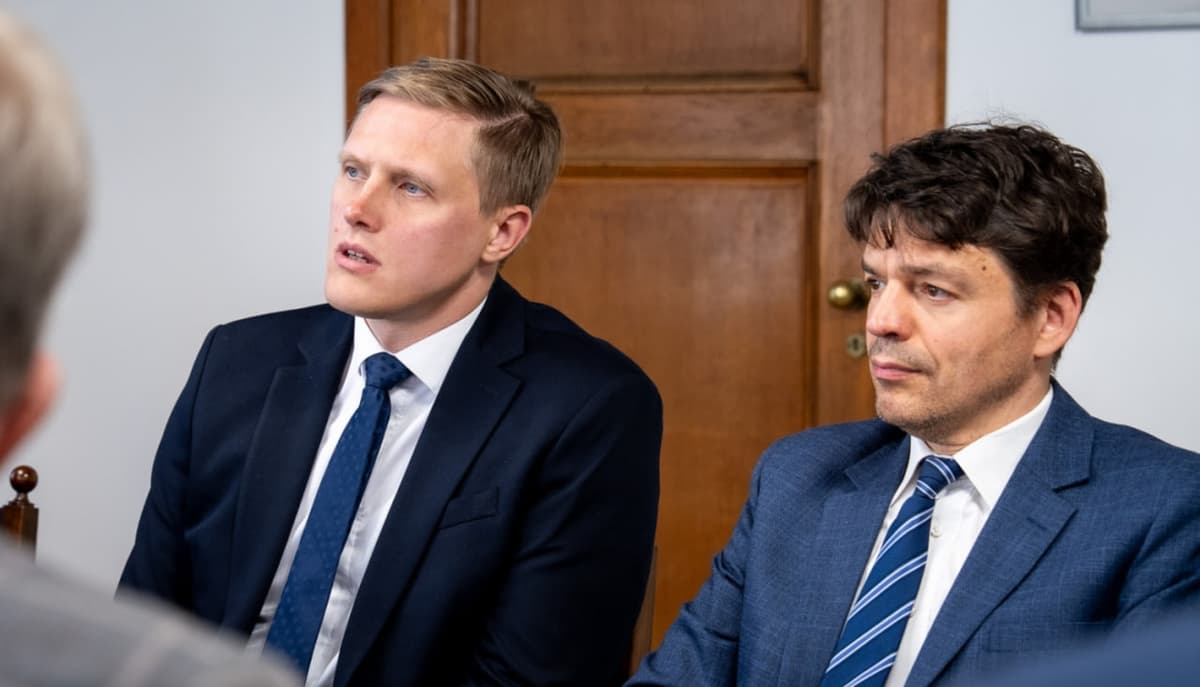
Following Donald Trump’s victory in the U.S. presidential election, foreign policy experts have begun to assess the potential implications of his return for Central Asia, especially Uzbekistan. Analysts Shuhrat Rasul, Oybek Sirojov, and Farhod Karimov recently shared insights on the future of U.S.-Uzbekistan relations in an interview with Kun.uz, highlighting both the challenges and opportunities that may lie ahead.
Prior U.S.-Uzbekistan Ties Under Trump
Reflecting on Trump’s previous term, analyst Shuhrat Rasul noted that the former president maintained a favorable relationship with Uzbekistan’s leadership, emphasizing support for the nation’s sovereignty and independence. During that period, then-Secretary of State Mike Pompeo’s visit to Central Asia underlined this commitment, reinforcing Uzbekistan’s strategic importance to the United States.
“Uzbekistan saw consistent support for its independence during Trump’s term,” Shuhrat Rasul remarked. “Given his historical approach, we may not witness drastic changes in U.S.-Uzbekistan relations, but continuity is likely.”
Strategic Shifts in Central Asia
Analyst Oybek Sirojov emphasized that Trump’s leadership style, often characterized as unpredictable, could influence Central Asian geopolitics in complex ways. Trump’s unconventional decision-making approach may lead to pressure on regional powers like Russia. Sirojov suggested Trump might take a firmer stance against Russian expansionism, which could, indirectly, provide Central Asian states with greater security.
"Trump’s ability to counterbalance Russian moves might yield strategic benefits for the region,” Sirojov said. He also pointed out Trump’s inclination towards a more stringent stance against China, which could reshape U.S. influence in Central Asia.
Heightened Focus on China and Afghanistan
The possibility of intensified U.S.-China tensions under Trump was another recurring theme among the experts. Farhod Karimov argued that Trump’s focus might shift from competing with Russia in Central Asia to countering China’s growing influence. He noted China’s active role in Afghanistan and suggested that a Trump administration could prioritize policies to curb Beijing’s ambitions in the region.