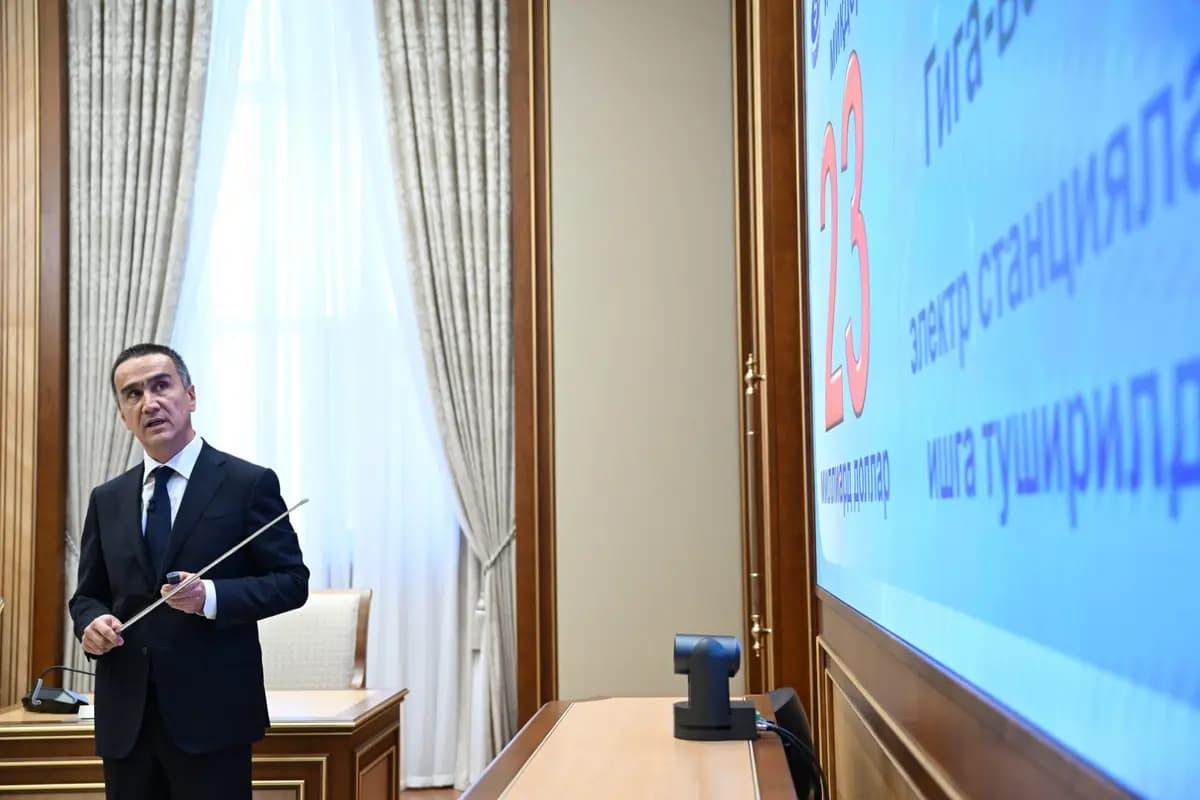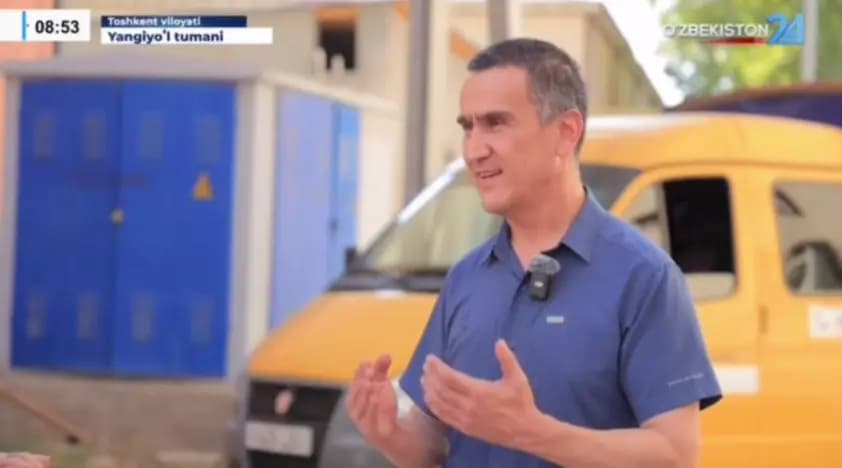
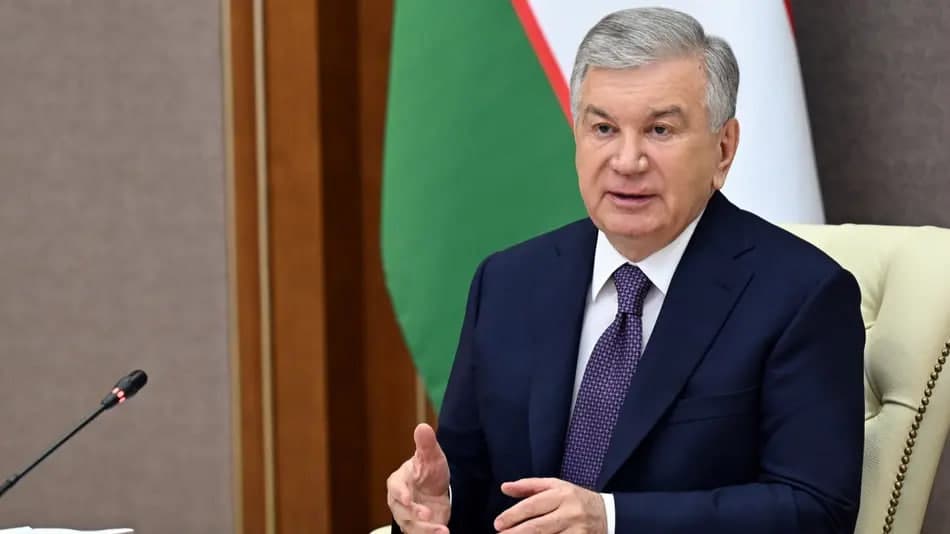
Speaking to the Uzbekistan 24 TV channel, Khodjaev outlined the government's priorities following President Shavkat Mirziyoyev's review of progress in implementing directives issued after a July 27 videoconference meeting on the fuel and energy sector.
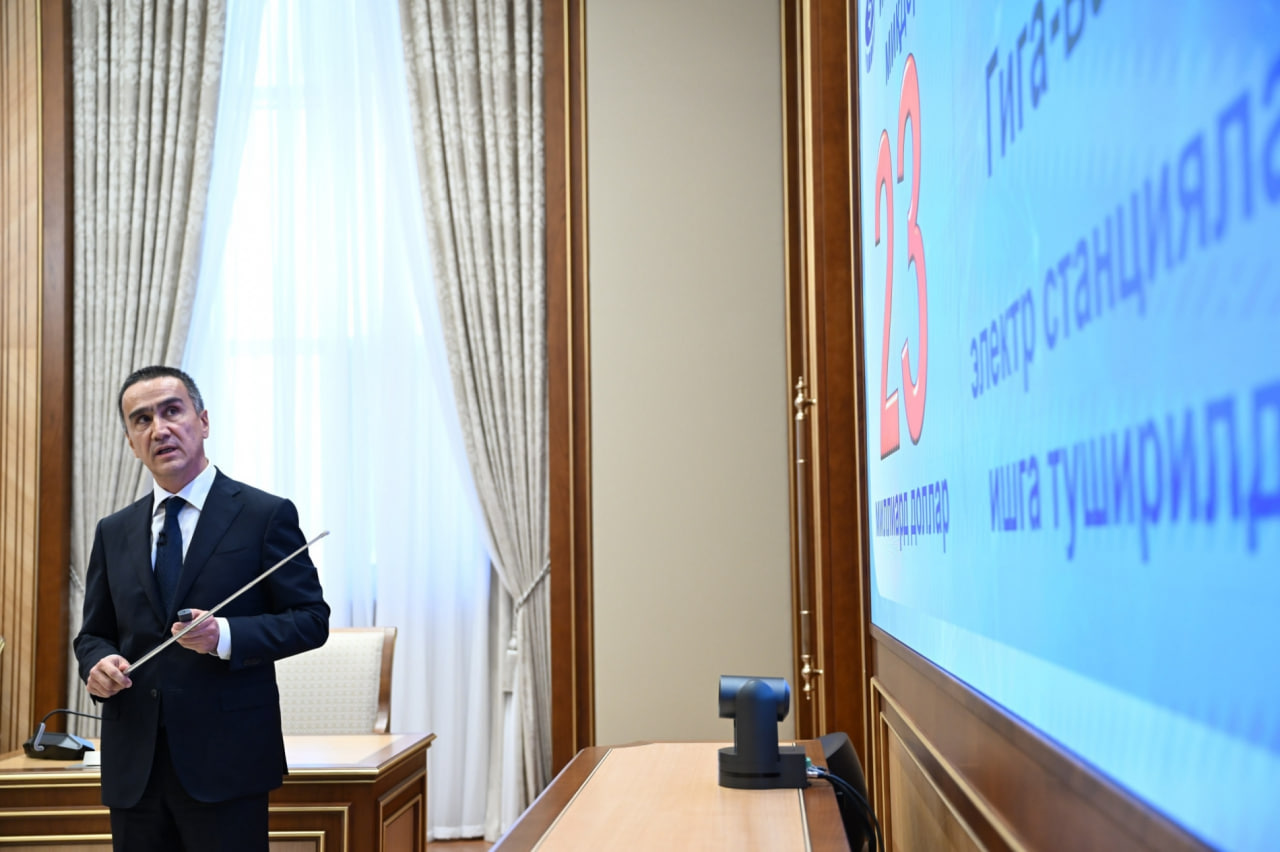
One of the key initiatives is the creation of an energy passport for every neighborhood. According to the minister, the document will include information on electricity and gas consumers, the condition of distribution networks, estimated costs of repairs and upgrades, and the capacity available to connect new consumers.
The energy passport will also record the number and categories of consumers, the condition of local infrastructure, and the timeline and cost of modernization projects. Where existing capacity is insufficient to connect additional consumers, the document will identify the measures needed to expand the networks.
Khodjaev said the energy sector would increasingly be managed at the neighborhood level, allowing authorities to better assess local needs and plan infrastructure development.
Another priority is reforming how electricity and natural gas suppliers interact with households and businesses. The minister said the current system for handling customer requests no longer meets modern requirements.
The government plans to expand online services and integrate them with existing information and billing systems, enabling consumers to access information on outstanding payments and other services through a mobile application.
"The functionality already exists, but it is not convenient enough," Khodjaev said.
The same application is expected to allow consumers to report power and gas supply disruptions directly, eliminating the need to call customer service centers and wait for assistance. At the same time, the minister said call centers themselves would be overhauled by increasing their number and improving the speed and quality of customer support.
The government also intends to reduce electricity and gas losses and lower outstanding debts by making broader use of digital technologies and artificial intelligence. These tools will be used to assign daily tasks to employees, collect reports, analyze operational risks, identify areas with frequent outages and predict potential failures, allowing preventive measures such as increasing network capacity or upgrading infrastructure.
"Overall, we need to improve workforce productivity and sharply reduce the number of accidents across the networks," Khodjaev said.
The minister also highlighted plans to strengthen market mechanisms and competition in the energy sector. As part of those efforts, the government has been instructed to establish a free LPG market by revising existing technical regulations and simplifying procedures for businesses to sell imported liquefied petroleum gas to households and companies while maintaining safety requirements.