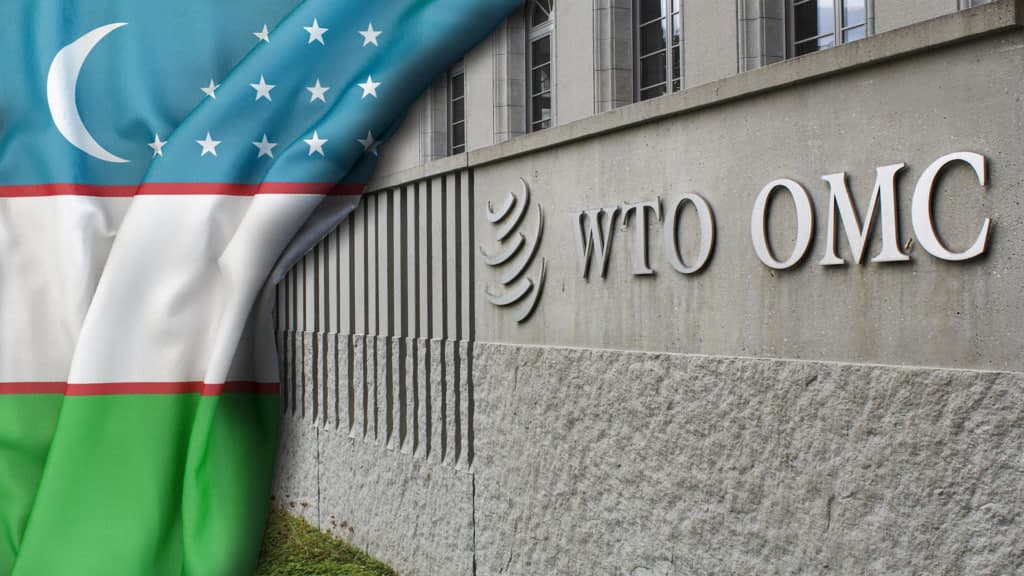
At some point in the next 1-2 years Uzbekistan is going to join the WTO. When that happens, everything that our government officials and civil servants have come to know about how to run government is going to change and there will be no turning back. Joining the WTO is an event the consequences of which will reverberate through every segment of the national legal order. It is also a serious commitment that will require our government to accept and undergo a wide range of far-reaching reforms. Policies, instruments, and mechanisms of governance the use of which heretofore has been taken for granted in many cases will have to be discontinued or fundamentally modified.
There is no international organization in existence, outside the European Union, accession to which requires the applicant state to accept as many profound and lasting changes to its legal and institutional structure as well as its basic political economy as the WTO.
Let there be no mistake: joining the WTO is not only going to impact Uzbekistan’s existing international rights and obligations, it will also trigger a whole raft of fundamental changes in many areas of Uzbekistan’s national legal and political system, inducing in some cases an immediate restructuring of government ministries and in other cases a radical reorientation of economic policies, not least in the agricultural sector. Questions that traditionally have been seen in Uzbekistan as matters of exclusively national competence will now become issues of international concern, that is to say, issues that other WTO member-states will be entitled to make remonstrations and demand explanations about. Matters of strategic policymaking that no one previously would have doubted were part of Uzbekistan’s sovereign prerogative will now be subject to international scrutiny, regulation, and in some cases legal challenge.
All this will require numerous, often difficult adaptations at many different levels of government. Moreover, because the support of the state in many cases will no longer be available to the majority of local businesses in some sectors, and because the degree of protection against foreign competition that previously shielded local producers will now be significantly reduced, it will also bring a wave of profound changes to the Uzbek economy as a whole.
Inevitably, this raises the question familiar to every international lawyer: can Uzbekistan rather than signing up to every WTO treaty accept only some of them but not others?
The answer to that is, essentially, no. States may join the WTO regime only on the basis of the so-called ‘single undertaking’ model. In other words, by acceding to the 1994 Marrakesh Agreement (a.k.a. the Agreement Establishing the World Trade Organization), with a couple of very modest exceptions, they automatically sign up to every document listed in its Annexes. This includes most notably the General Agreements on Tariffs and Trade on Trade in Services, and the TRIPS.