In the capital of Dagestan, Makhachkala, there is a neighborhood called "Uzbekistan," often referred to by locals as "Uzbek Gorodok" (Uzbek Town). This neighborhood stands as a symbol of the solidarity and assistance provided by the people of Uzbekistan during challenging times. But how did it come to be?
It is often recalled that during the Soviet era, when a devastating earthquake struck Tashkent in 1966, the union republics offered significant assistance in rebuilding the capital. This is certainly true. However, it is equally important to remember that Uzbeks also actively supported other republics during their times of hardship.
Uzbek assistance to post-earthquake Dagestan
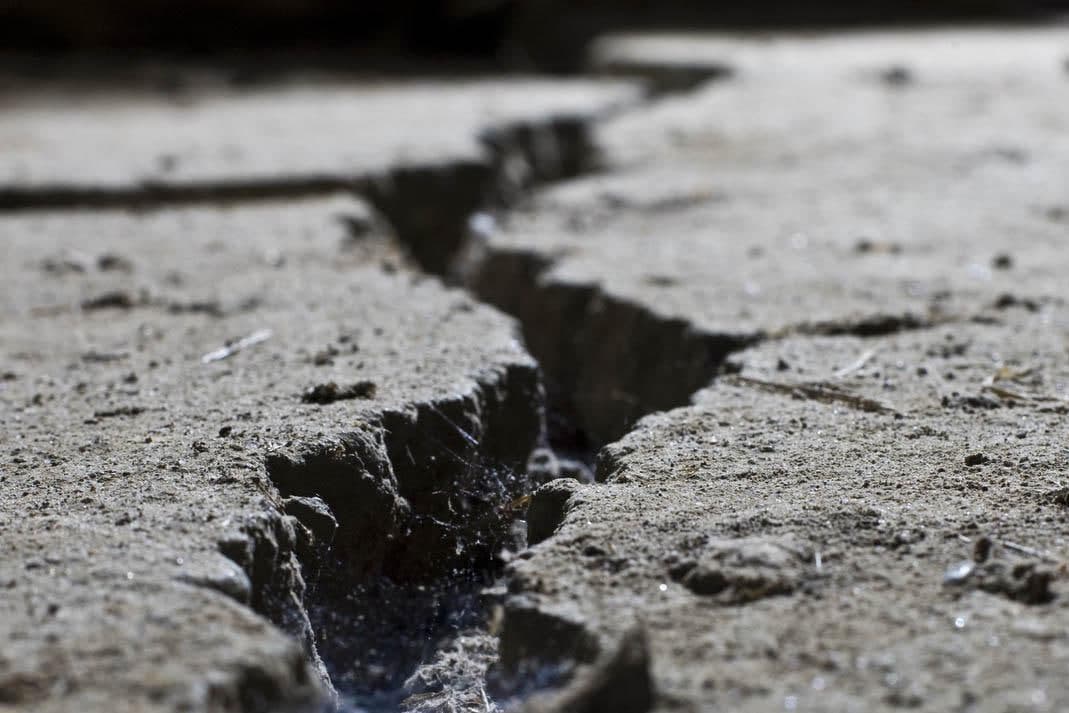
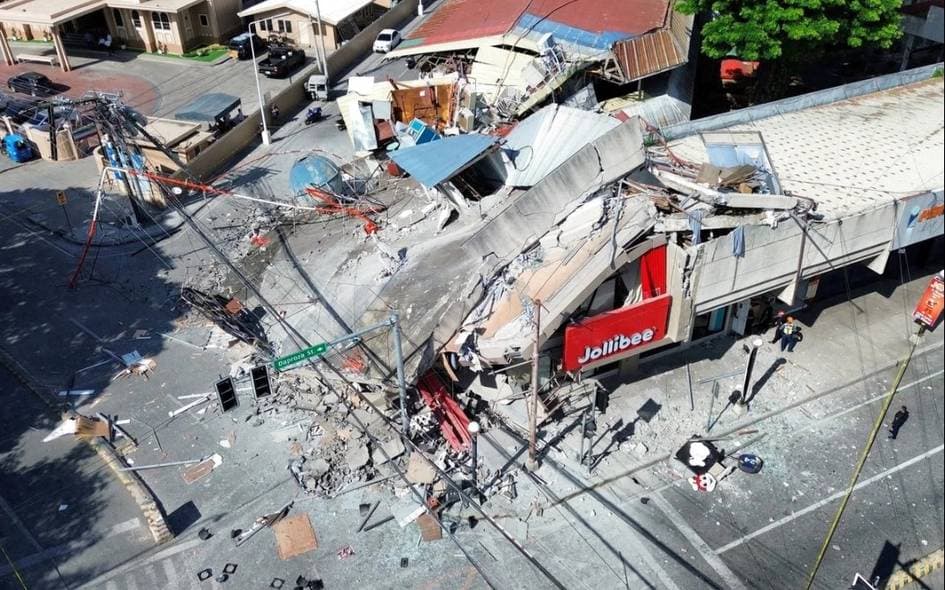
On May 14, 1970, a powerful earthquake struck Makhachkala, with its epicenter located 30 kilometers from the city. The first tremors occurred at 12:20 PM, reaching a magnitude of 5-6 on the Richter scale. However, the second tremor, which hit at 9:12 PM, was far more destructive, with a magnitude of 9. The earthquake devastated cities and villages near the epicenter, including Makhachkala.
Uzbeks were among the first to respond to the tragedy, arriving in Dagestan to offer assistance. They built homes, restored infrastructure, and helped residents cope with the aftermath of the disaster. Their efforts played a crucial role in the recovery of the affected areas. In recognition of this support, a neighborhood was named "Uzbekistan."
Historical context
This was not an only incident. Uzbeks also played a significant role in the construction of major Soviet projects, such as the Baikal-Amur Mainline (BAM), and provided aid to those affected by earthquakes in other parts of the USSR, including in Armenia in 1988.
As a result, the creation of the "Uzbekistan" neighborhood in Makhachkala stands as a powerful example of mutual aid between the peoples of the Soviet Union, where no one remained indifferent to the suffering of others.
Continued earthquake in Makhachkala
The earthquake's impact lingered for an extended period, with tremors continuing for over a month and a half, similar to the situation in Tashkent. From May 15 to June 27, the seismological center recorded 1,140 aftershocks.